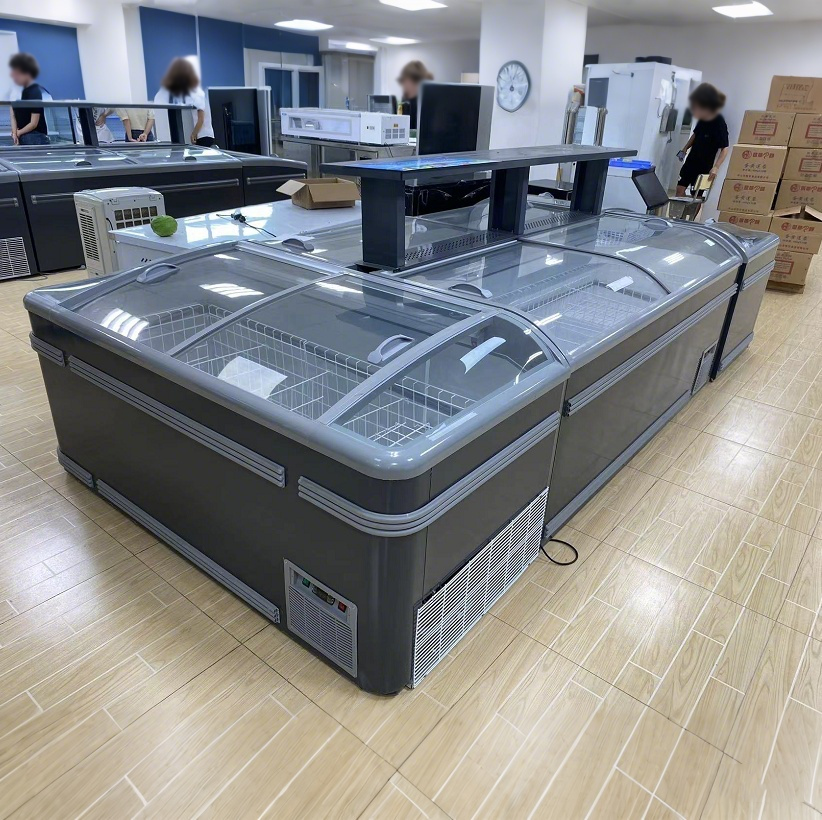
Determine Your Exact Ice Production Needs by Business Model Calculate Daily Ice Demand Based on Beverage Volume and Service Pace To figure out how much ice you need day to day, start looking at what drinks people actually order. Most cocktails will...
VIEW MORE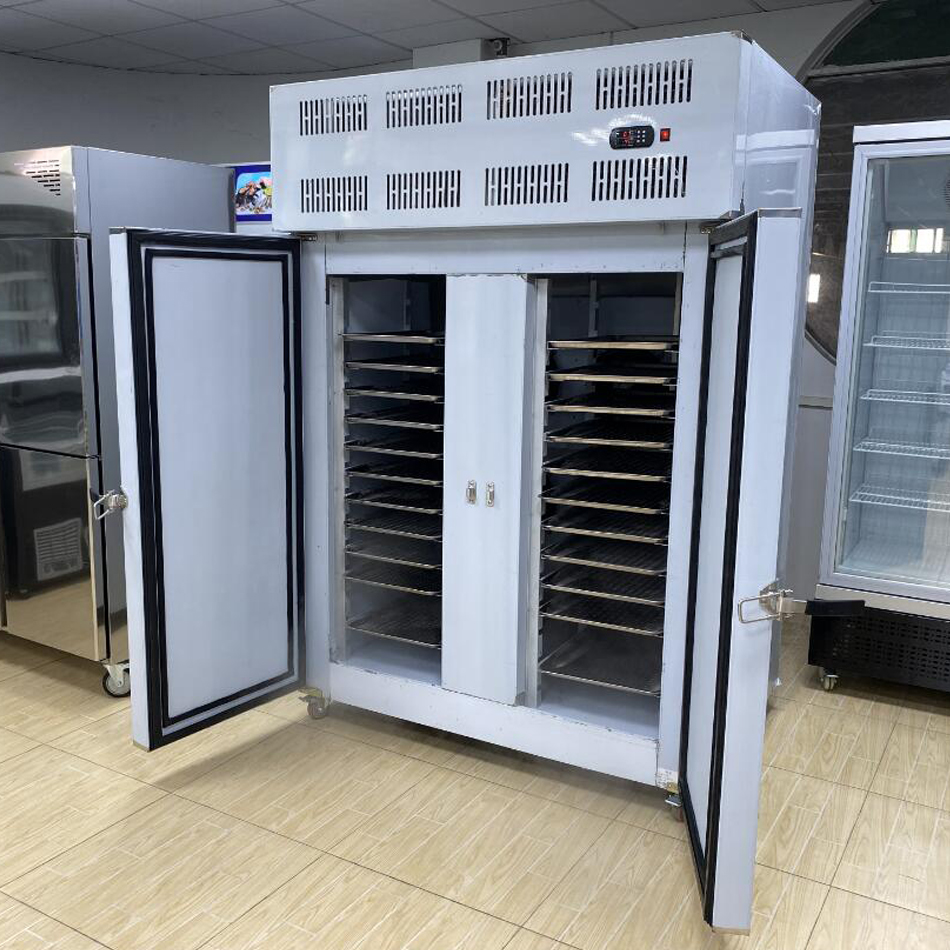
How Shock Freezer Halts Enzymatic Deterioration and Preserves Sensory Quality The science behind rapid freezing: arresting autolysis before texture and flavor degrade When it comes to seafood preservation, shock freezers work wonders by dropping te...
VIEW MORE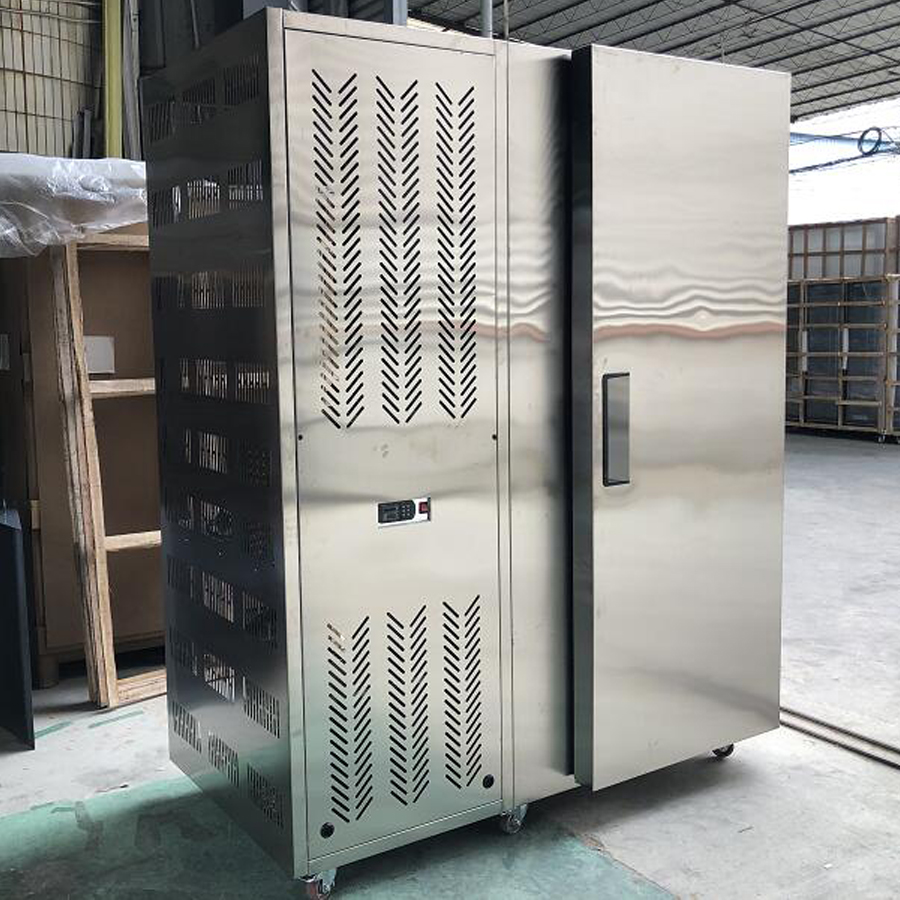
Match Shock Freezer Capacity and Performance to Your Production Workflow Calculate Required Throughput: Aligning Daily Volume and Peak Load Demands Start by analyzing both your regular daily output and seasonal peak demands—underestimating ca...
VIEW MORE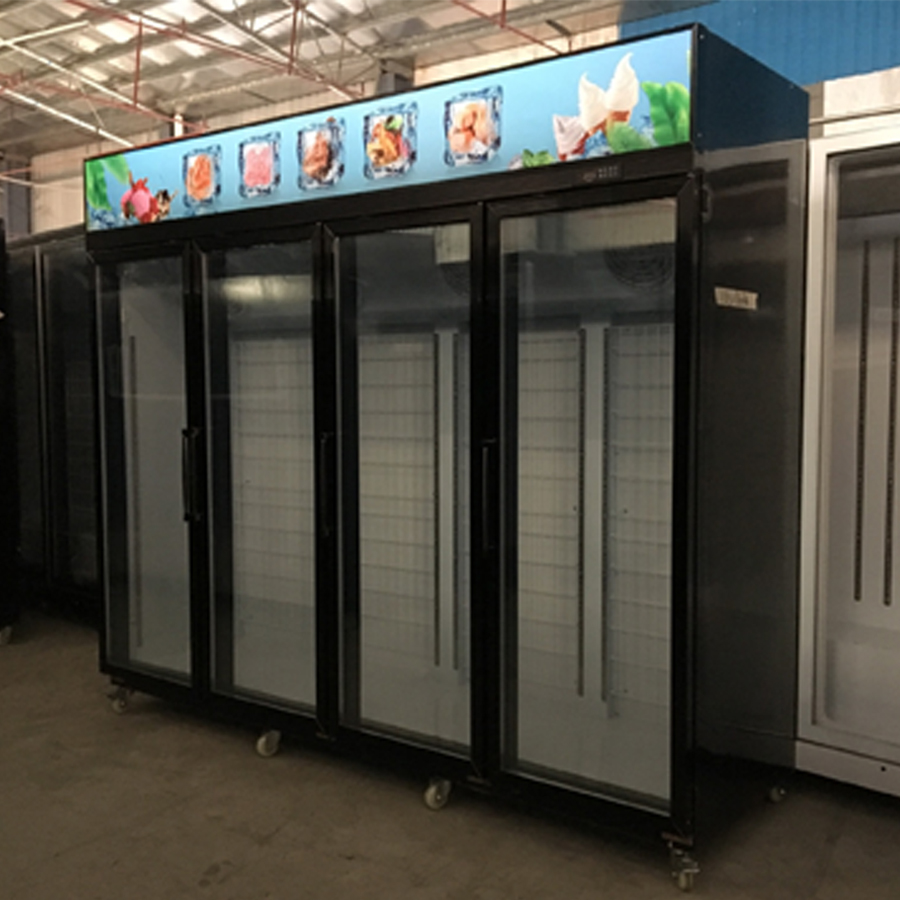
Core IQF Freezing Principle: Rapid Heat Removal and Ice Crystal Control Physics of Ultra-Rapid Freezing: Suppressed Ice Nucleation and Minimized Intracellular Damage IQF freezers work mainly because they pull heat away super fast, usually at rates ...
VIEW MORE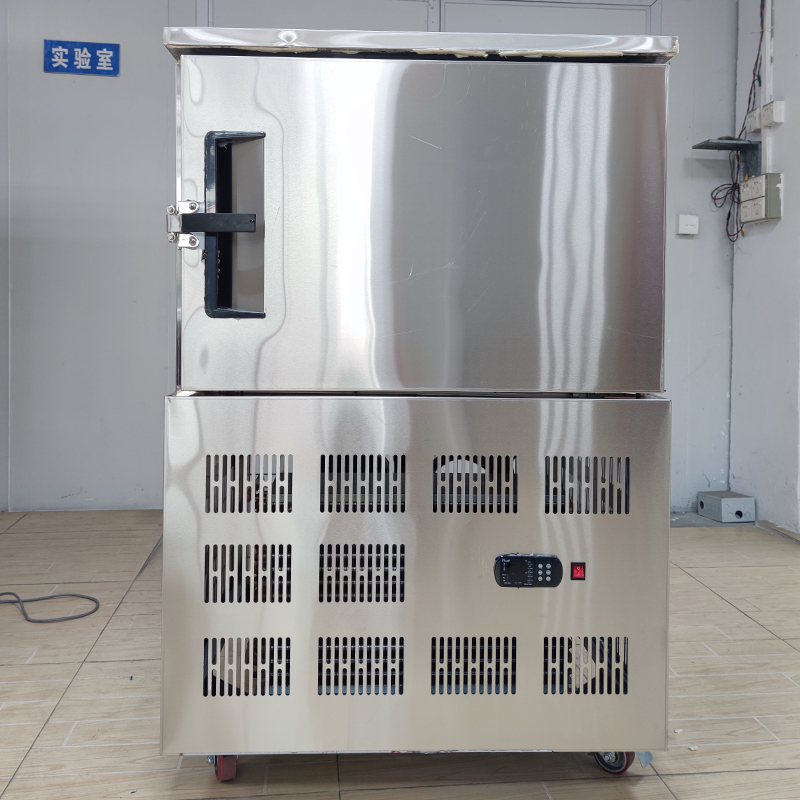
Understanding Blast Chiller Capacity: Matching GN Pan Volume to Daily Production Needs Calculating Daily Food Load Using GN Pan Equivalents and Peak Hour Demand Getting the right size blast chiller starts with figuring out how much food gets produc...
VIEW MORE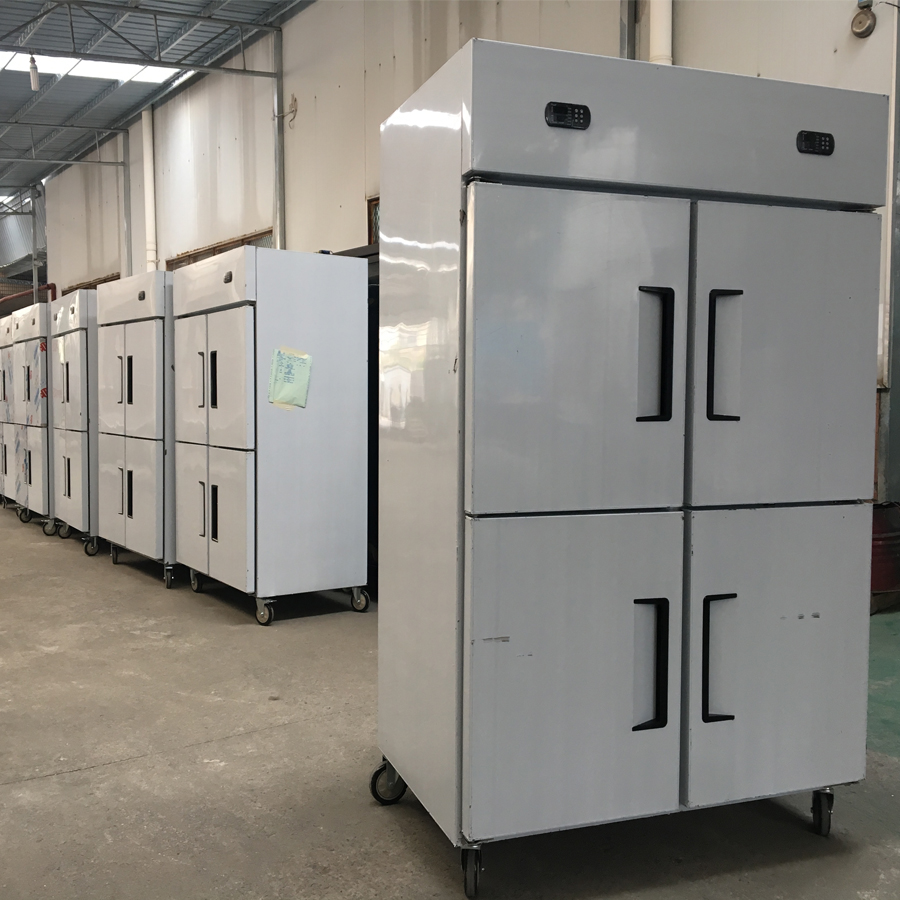
Verify Temperature Control and Calibration Why Consistent -18°C ±1°C Is Critical for Food Safety and Pathogen Inhibition Keeping freezers at exactly -18 degrees Celsius plus or minus one degree isn't just important it's absolutely es...
VIEW MORE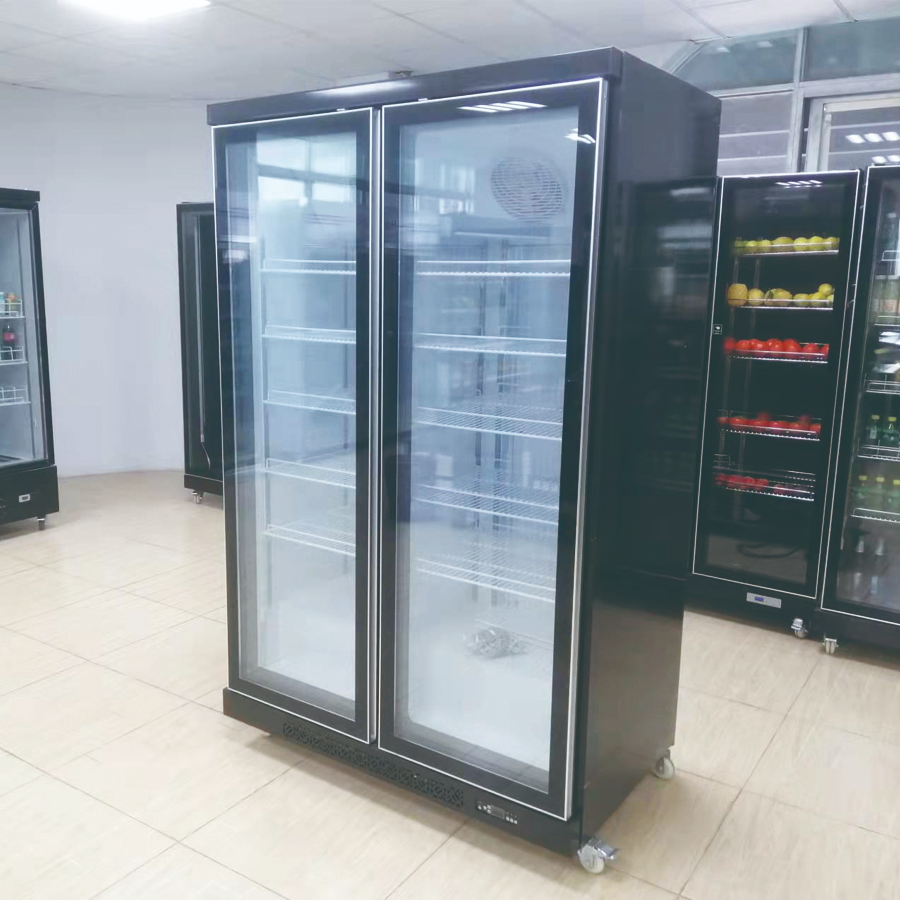
Optimizing Visibility and Customer Engagement Eye-Level Placement and Viewing Angle Science for Maximum Ice Product Appeal Putting an ice merchandiser around eye level, somewhere between 4.5 and 5.5 feet off the ground, makes products much easier t...
VIEW MORE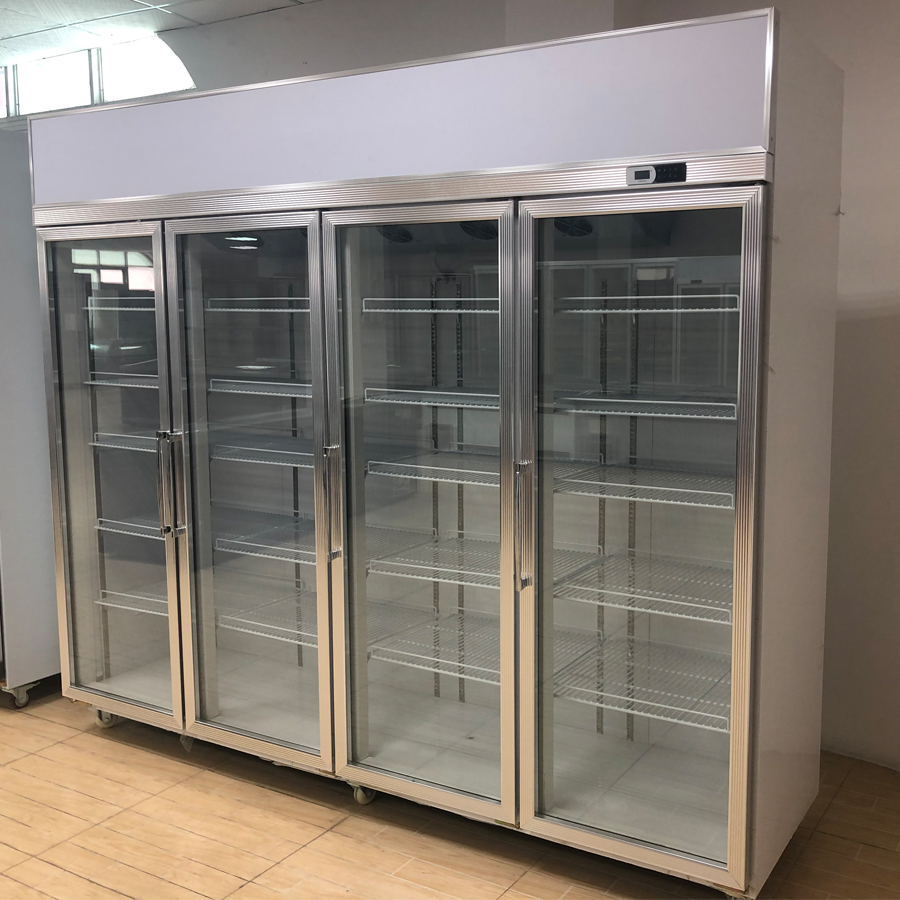
Variable Speed Compressor Technology for Adaptive Efficiency How Inverter-Driven Compressors Optimize COP and Reduce Peak Load Commercial fridge compressors with inverters can change their motor speeds based on what's actually needed for cooling ri...
VIEW MORE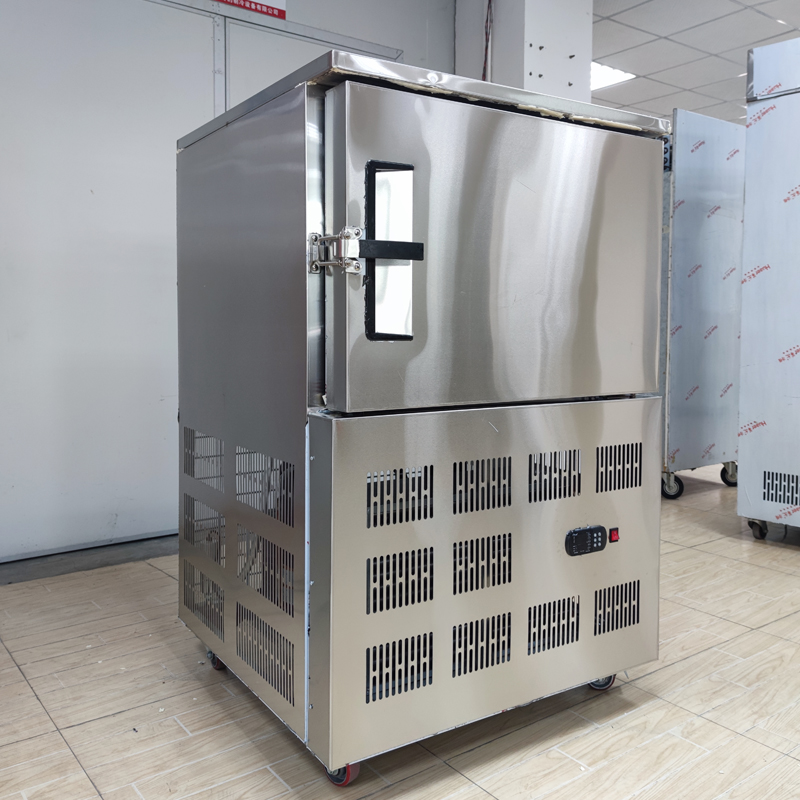
Precise Temperature Control and Food Quality Preservation How Precise Temperature Control Preserves Food Quality Freezers that hit temperatures within a tight range of plus or minus 0.5 degrees Fahrenheit actually cut down on bacterial growth by ar...
VIEW MORE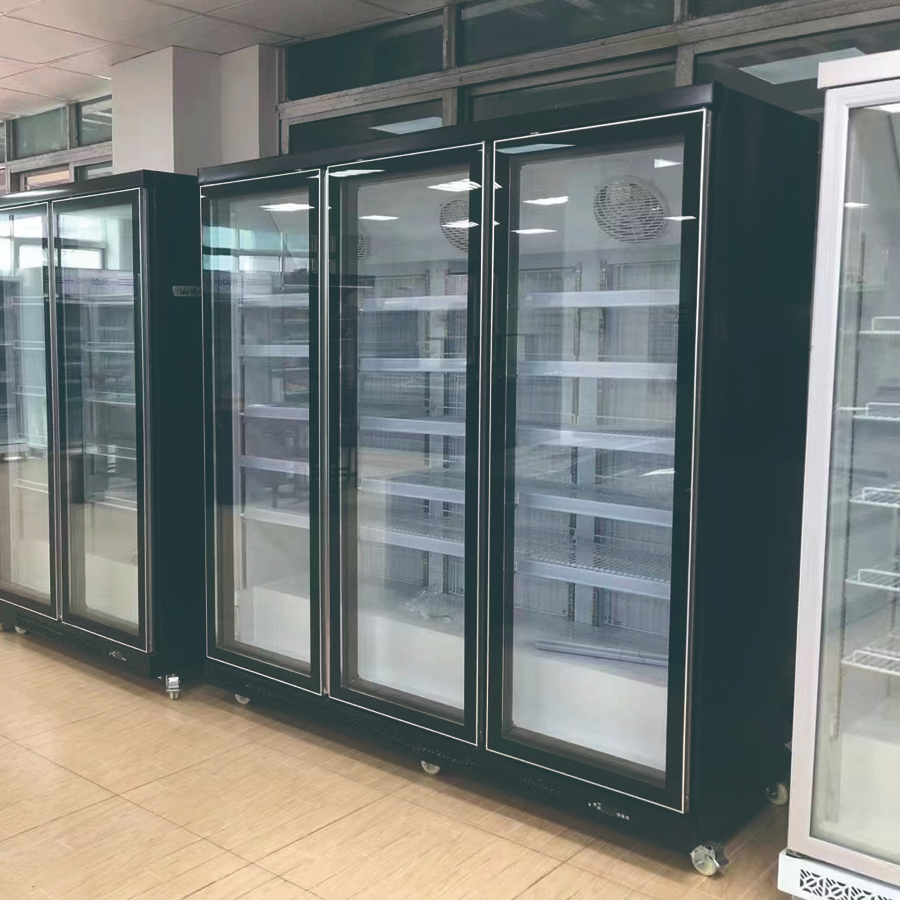
High Failure Rates in Standard Commercial Freezers: A Costly Problem Most standard commercial freezers end up needing around two to three repairs every year because their compressors give out, door seals fail, or the defrost system acts up accordin...
VIEW MORE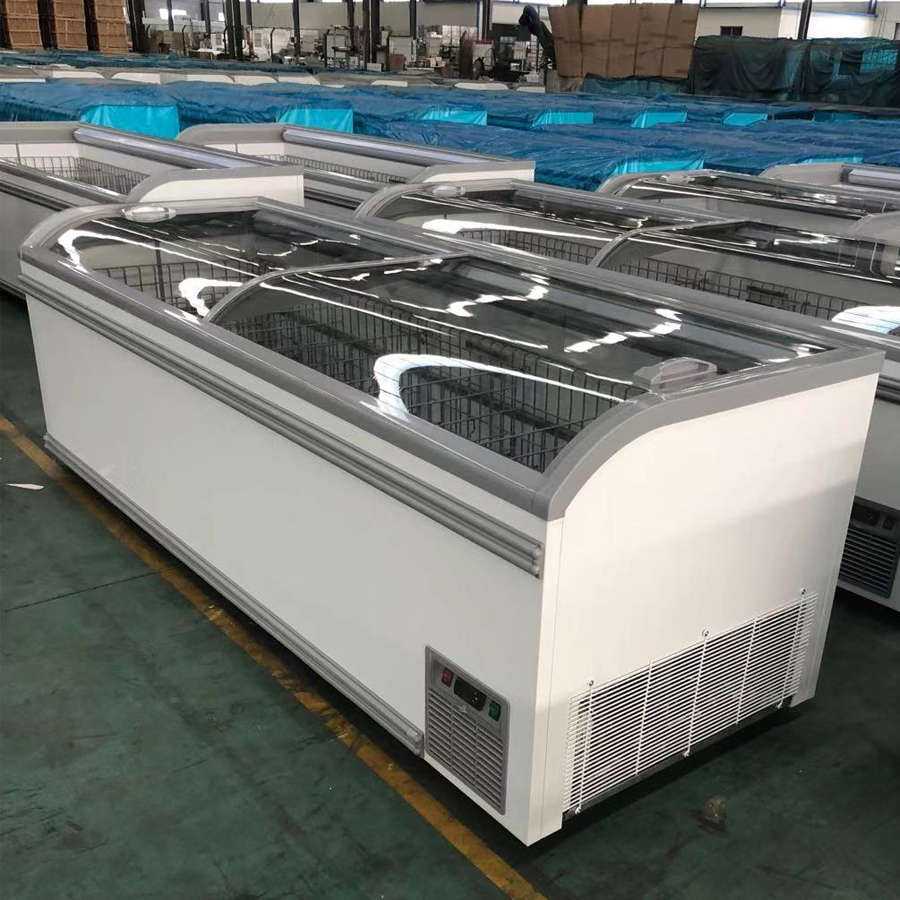
Understanding the energy efficiency of ice production equipment Ice freezers today are getting much better at saving energy thanks to several key improvements. First off, they have these variable speed compressors that basically match their output ...
VIEW MORE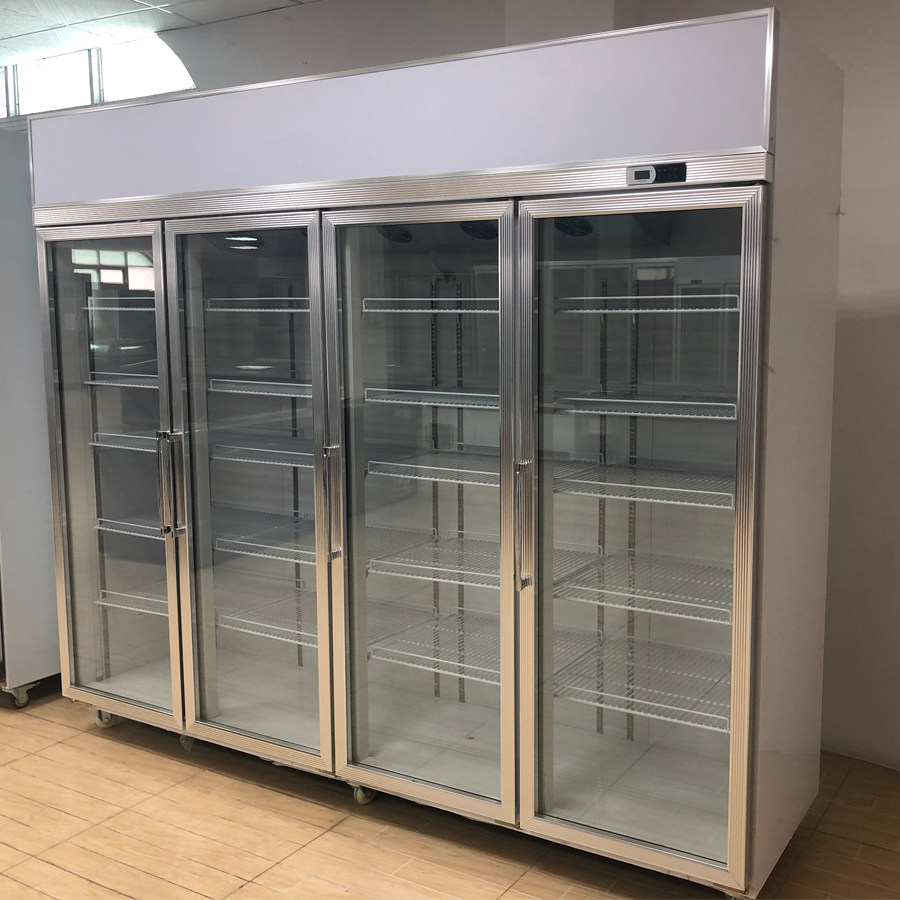
How a Commercial Refrigerator Maintains Food Safety Standards Commercial refrigerators keep food from going bad by holding temps under 40°F (about 4°C), which is what the USDA considers safe for slowing down bacteria growth. Some newer mode...
VIEW MORE
Copyright © by 2025 Xiamen Ideal Refrigeration Equipment Co.,Ltd
 EN
EN