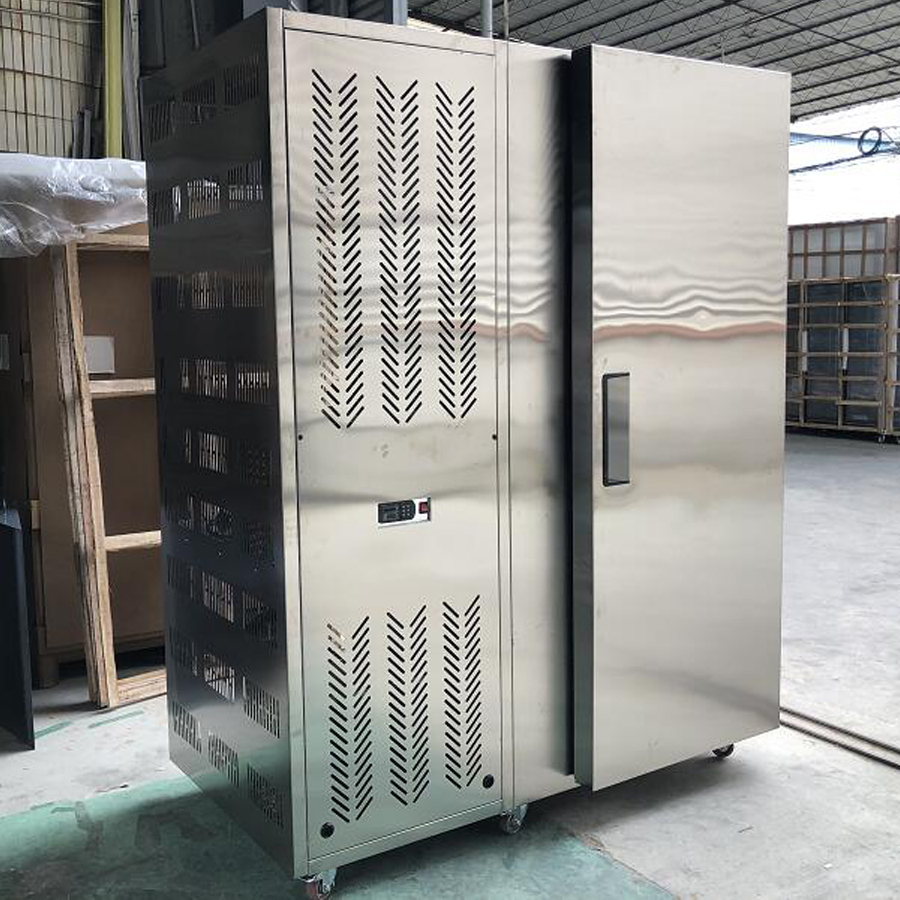
The Science of Speed: How Flash Freezer Performance Controls Ice Crystal Formation The Critical Zone (-1°C to -5°C) and Cellular Damage in Slow Freezing When food drops into that tricky temperature range between minus one and minus five deg...
VIEW MORE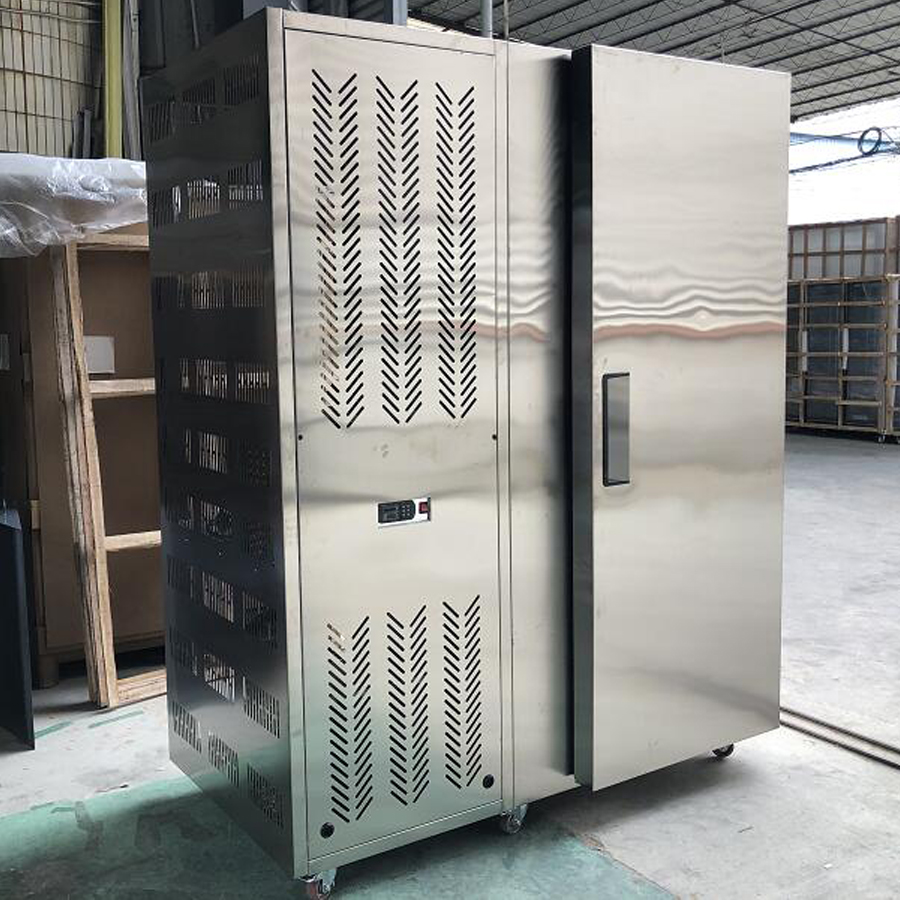
Perform Consistent Daily and Weekly Blast Chiller Maintenance Regular maintenance prevents bacterial growth and sustains peak performance. Daily cleaning reduces contamination risks by 30% while extending equipment lifespan by 15–20% (Food Sa...
VIEW MORE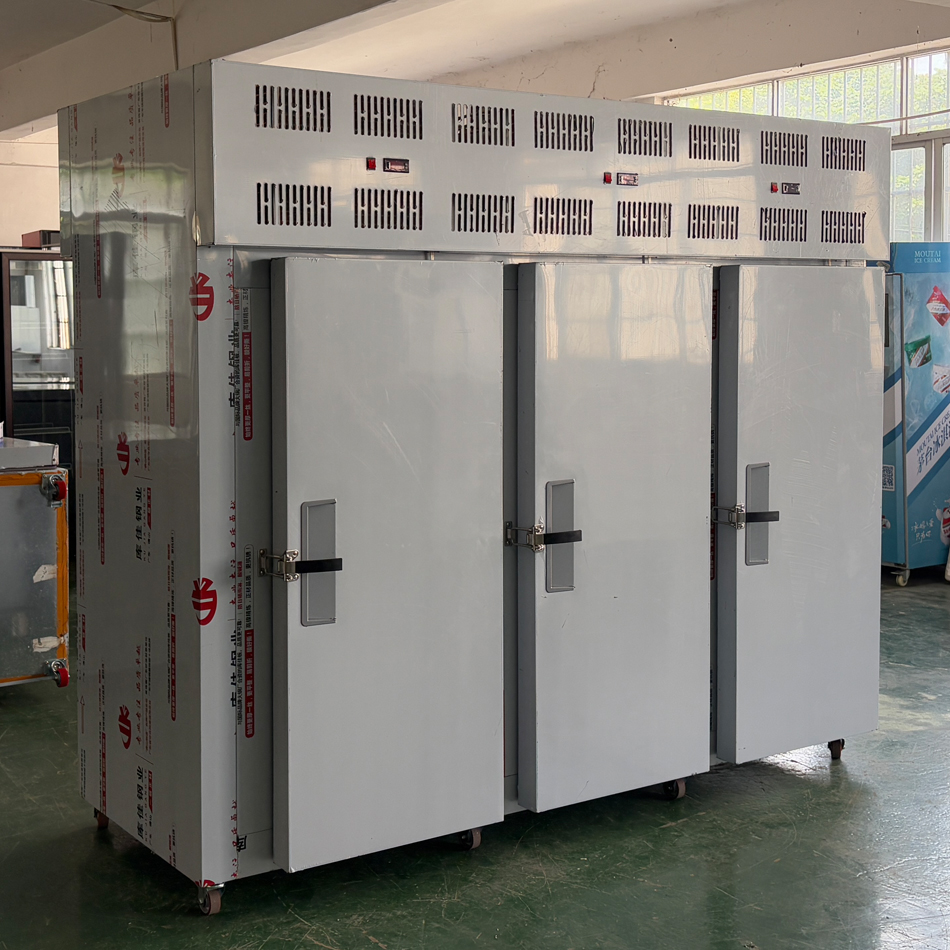
How a Flash Freezer Preserves Freshness at the Cellular Level The Science of Rapid Freezing and Minimal Ice Crystal Damage When foods get flash frozen, they hit those super cold temps around -40 degrees Fahrenheit pretty quick. The real trick here is...
VIEW MORE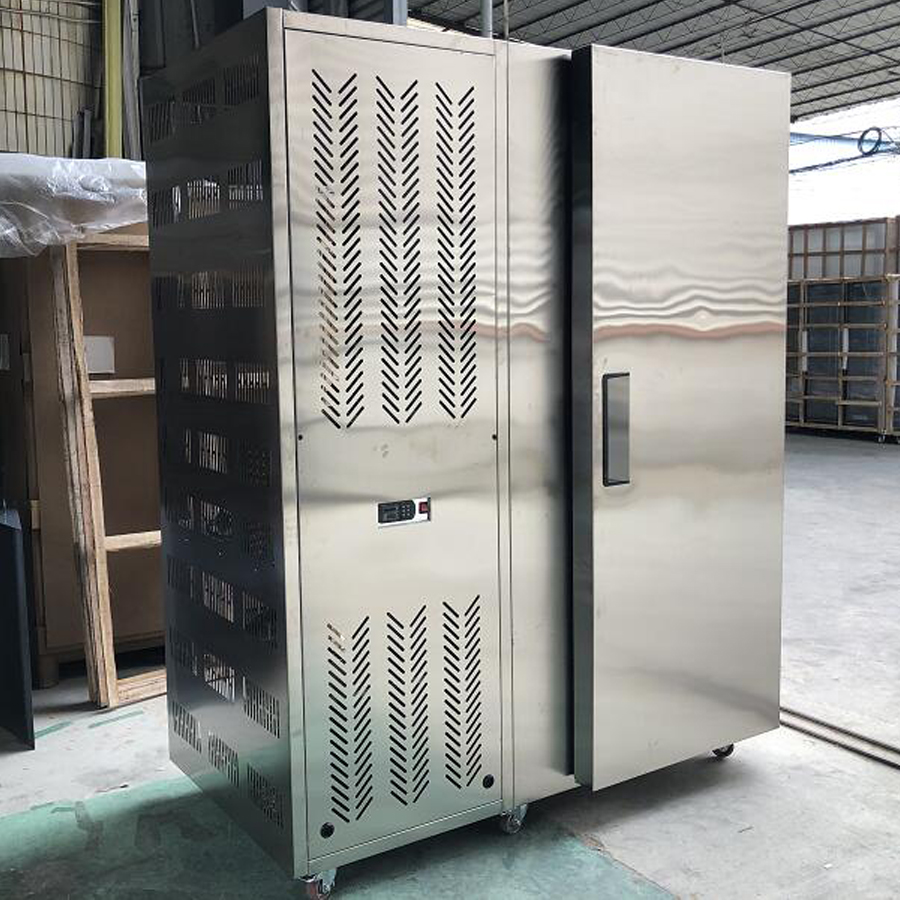
Food Safety: How Blast Chiller Neutralizes the Temperature Danger Zone Rapid cooling from 140°F to 40°F in ≤90 minutes prevents bacterial proliferation Food sits in what's called the temperature danger zone between 40 and 140 degrees Fahrenheit...
VIEW MORE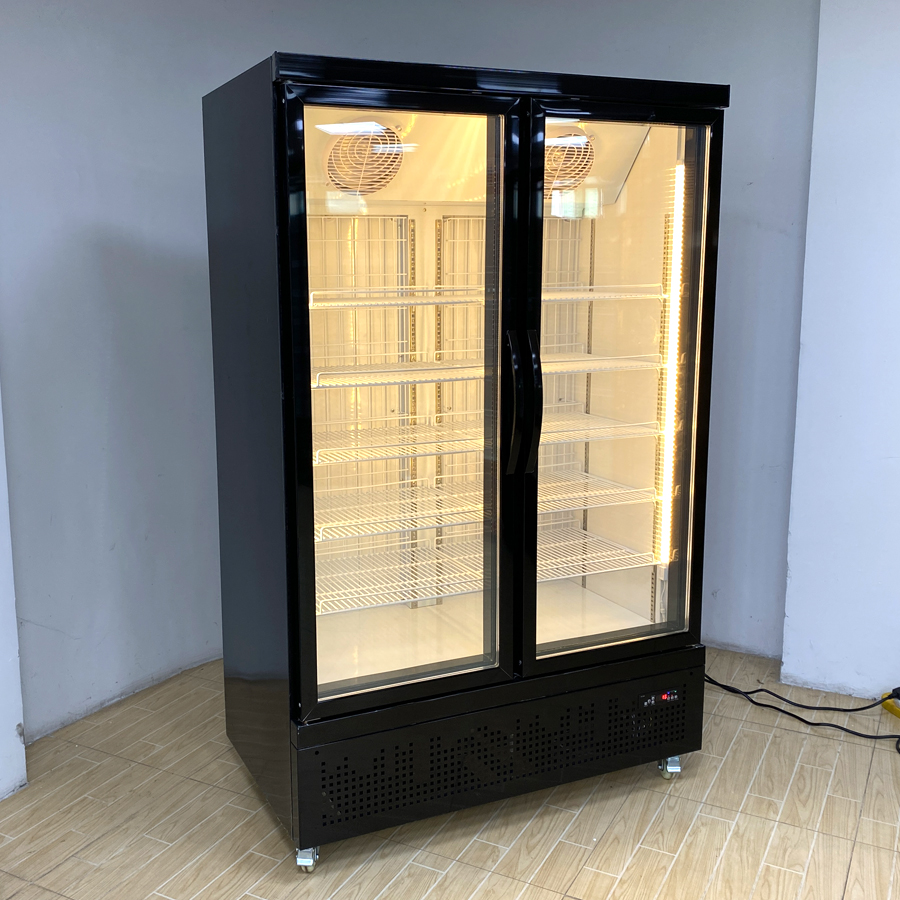
Match Blast Freezer Capacity and Design to Your Operational Workflow Batch-Freezing Capacity, Trolley Compatibility, and Daily Throughput Requirements Getting the right size blast freezer begins with looking at how much stuff goes through it each d...
VIEW MORE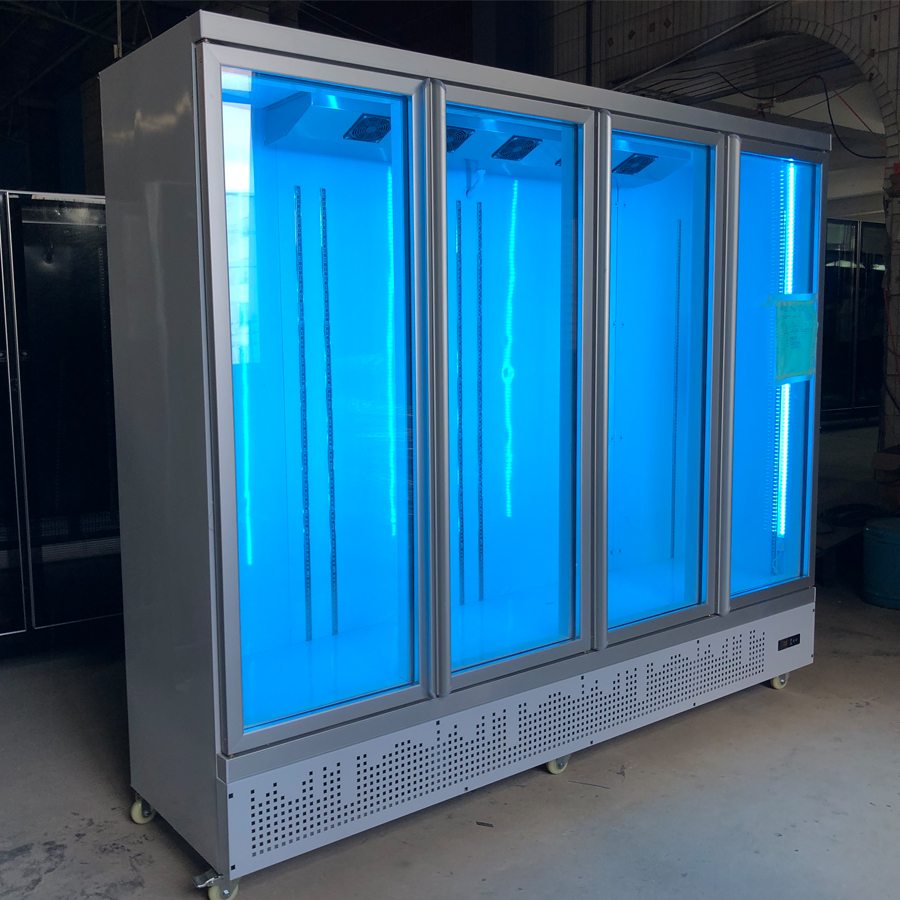
Robust Construction for Long-Term Ice Merchandiser ReliabilityStainless Steel vs. Powder-Coated Steel: Corrosion Resistance in High-Humidity EnvironmentsCommercial spaces such as fish markets and beachside bars put ice merchandisers through their pac...
VIEW MORE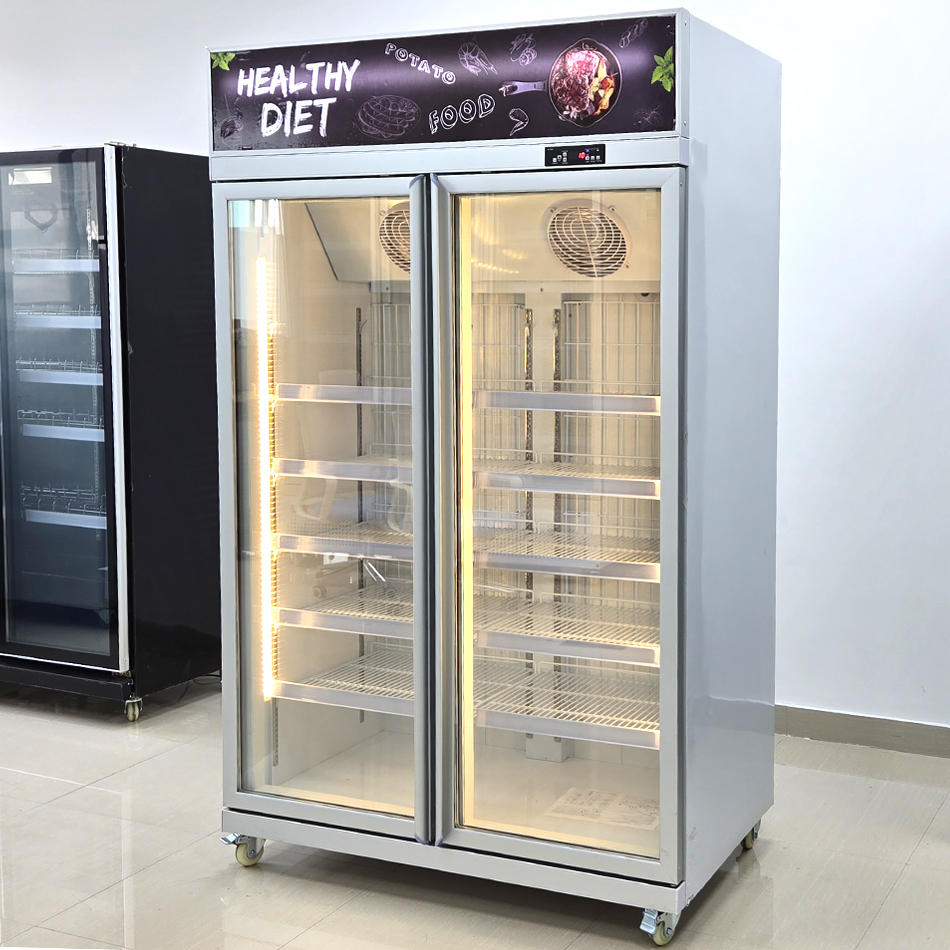
Temperature Stability and Uniformity for High-Volume Retail Operations Maintaining Consistent -18°C Across 24/7 Cycles to Prevent Frozen Product Degradation Keeping frozen goods fresh in stores depends heavily on maintaining exact temperatures....
VIEW MORE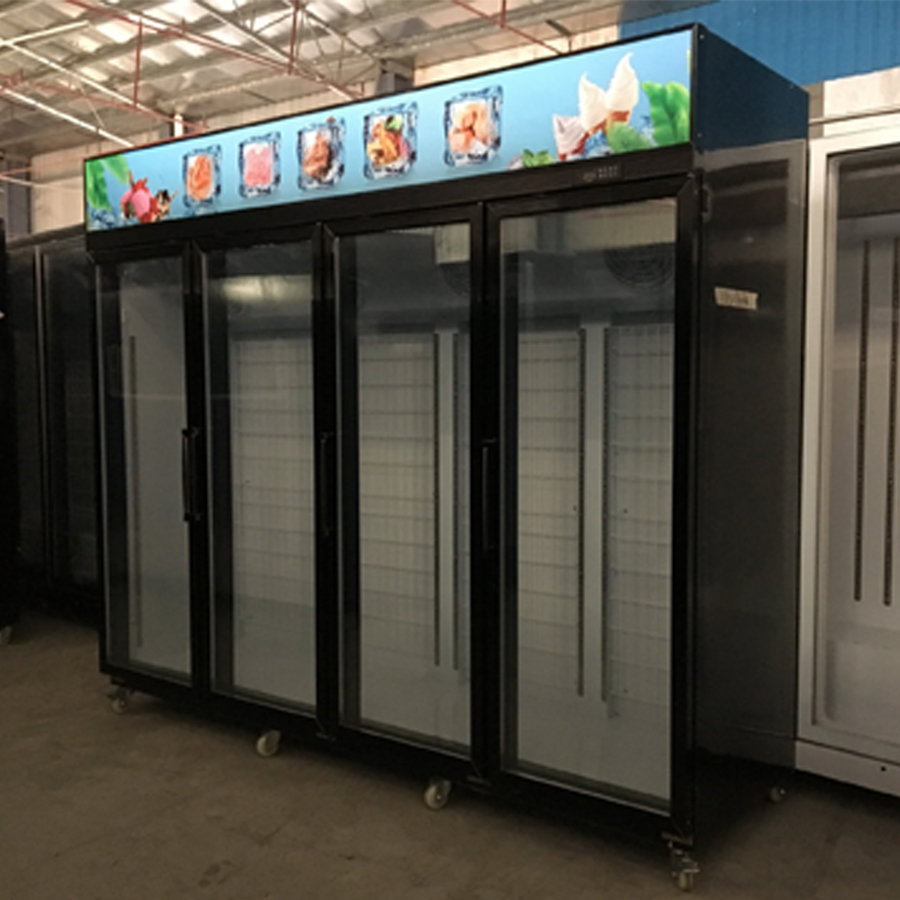
Commercial Freezer Types and Spatial Optimization Upright, Reach-In, and Blast Freezers: Matching Configuration to Throughput and Footprint Needs Choosing the right commercial freezer makes all the difference when it comes to how much stuff fits in...
VIEW MORE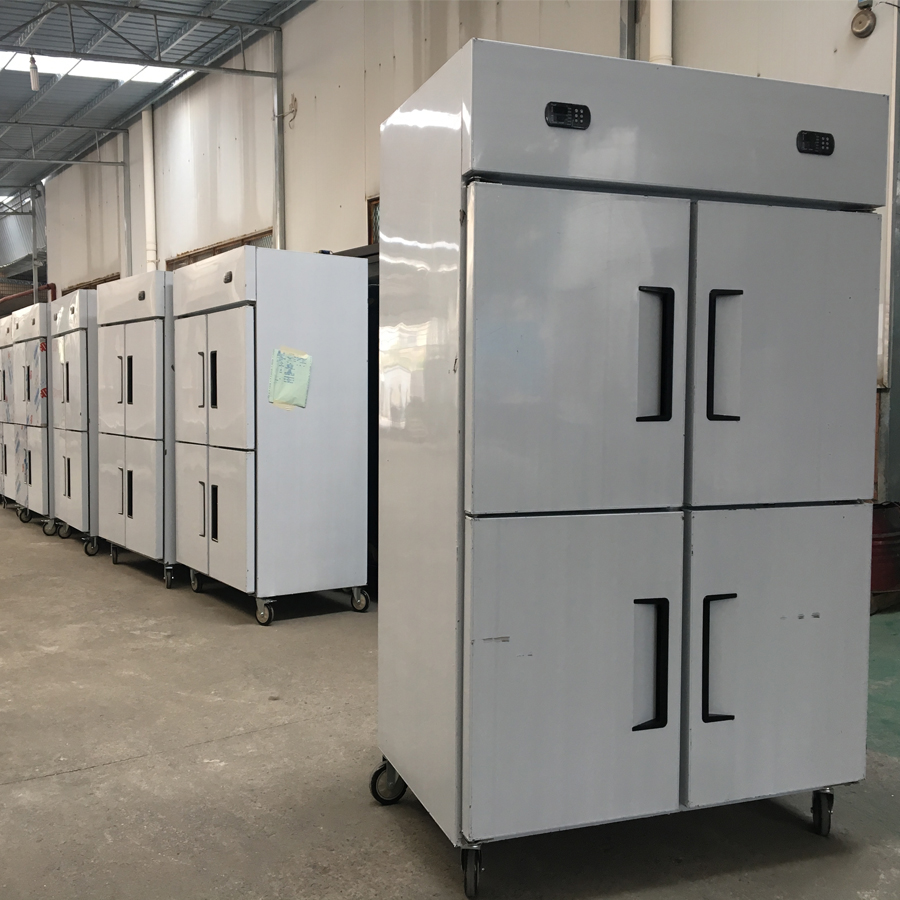
Lower Energy Consumption and Reduced Utility Bills How low-energy commercial freezers cut electricity use by 30–50% vs. standard models Commercial freezers designed for low energy consumption bring together several well-established efficiency...
VIEW MORE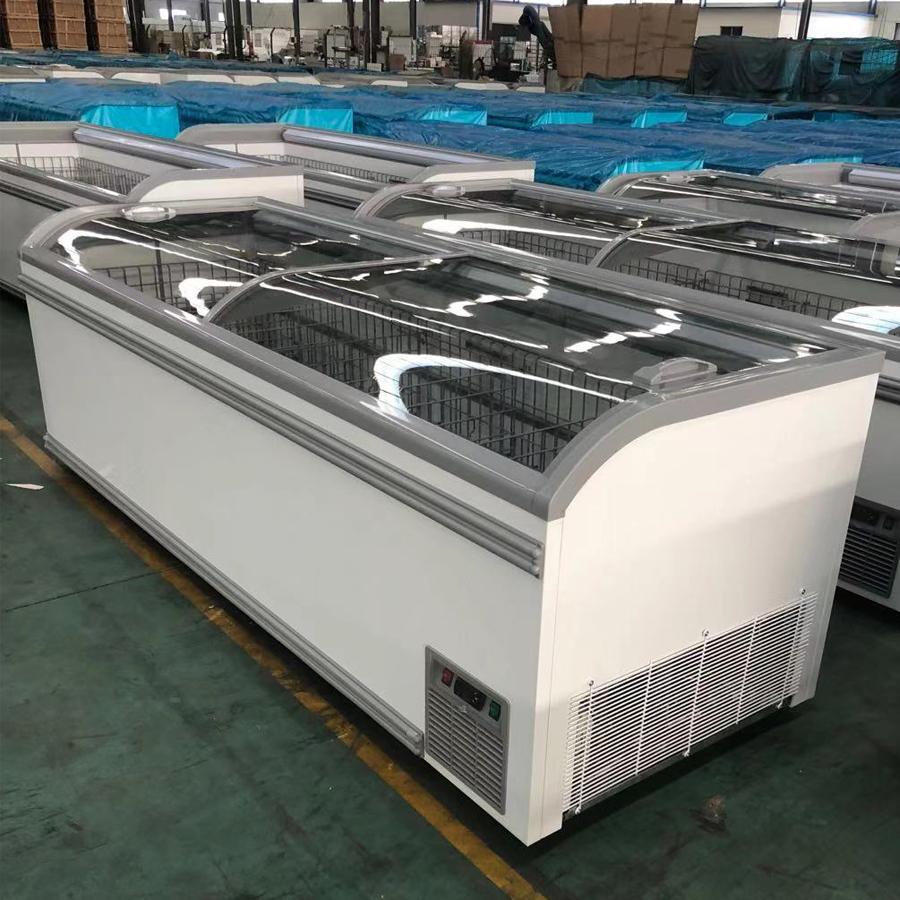
Guaranteeing Food Safety and Regulatory Compliance Maintaining precise food safety protocols is non-negotiable for frozen food retailers, where even brief temperature deviations can trigger rapid bacterial growth. Your commercial freezer serves as ...
VIEW MORE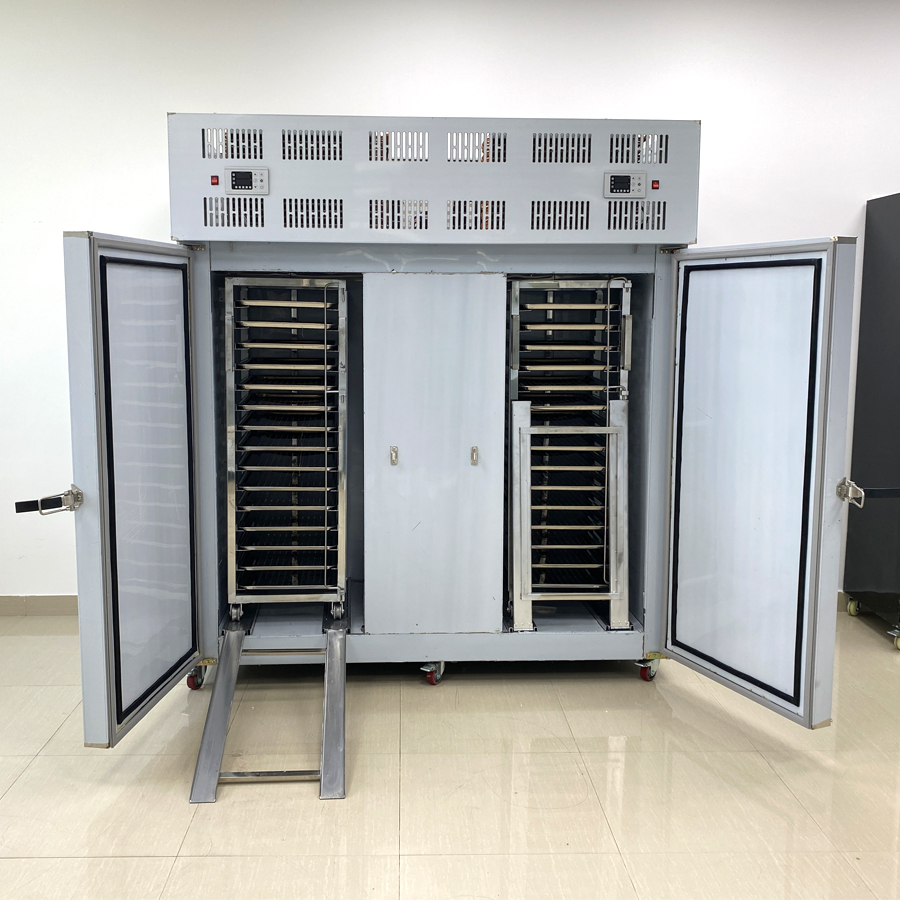
How Shock Freezer Enables Ultra-Rapid Freezing and Minimizes Cellular Damage Core mechanism: Achieving -40°C to -60°C in under 15 minutes via forced convection or cryogenic exposure There are basically two ways shock freezers get seafood do...
VIEW MORE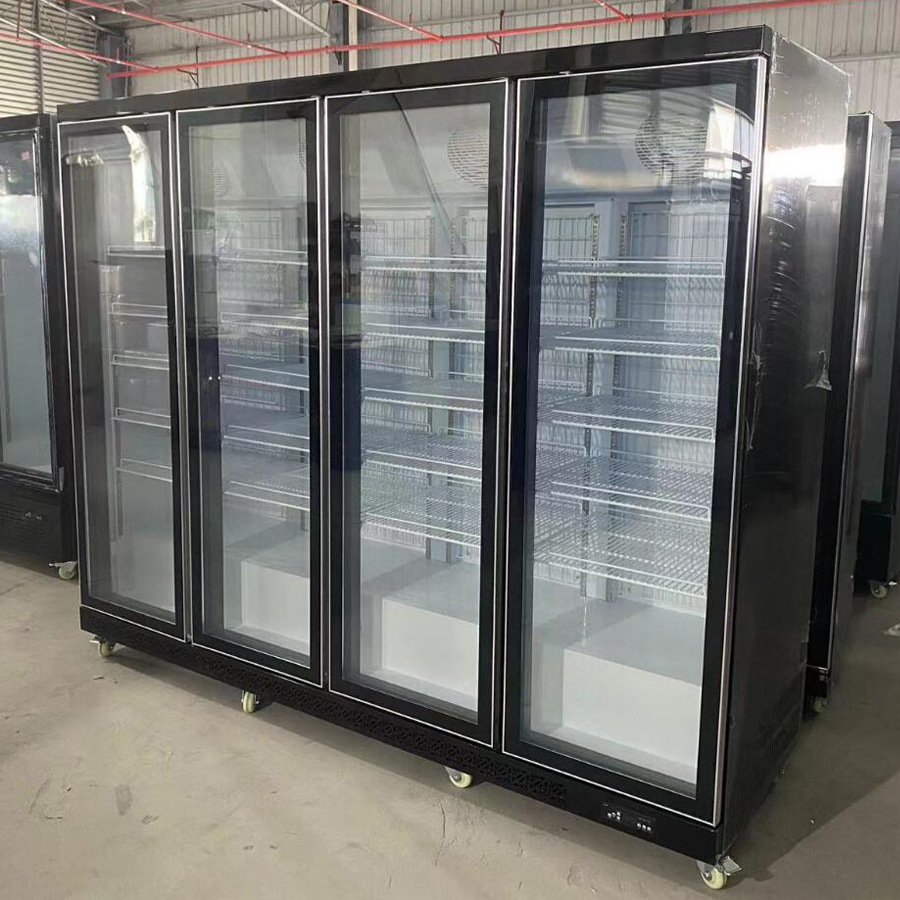
Energy Efficiency: Key Technologies and Real-World Performance Metrics Beyond ENERGY STAR: Interpreting kWh/yr Ratings and Lifecycle Energy Costs The ENERGY STAR label shows minimum efficiency standards, but what really matters for saving money is ...
VIEW MORE
Copyright © by 2025 Xiamen Ideal Refrigeration Equipment Co.,Ltd
 EN
EN