EN
EN
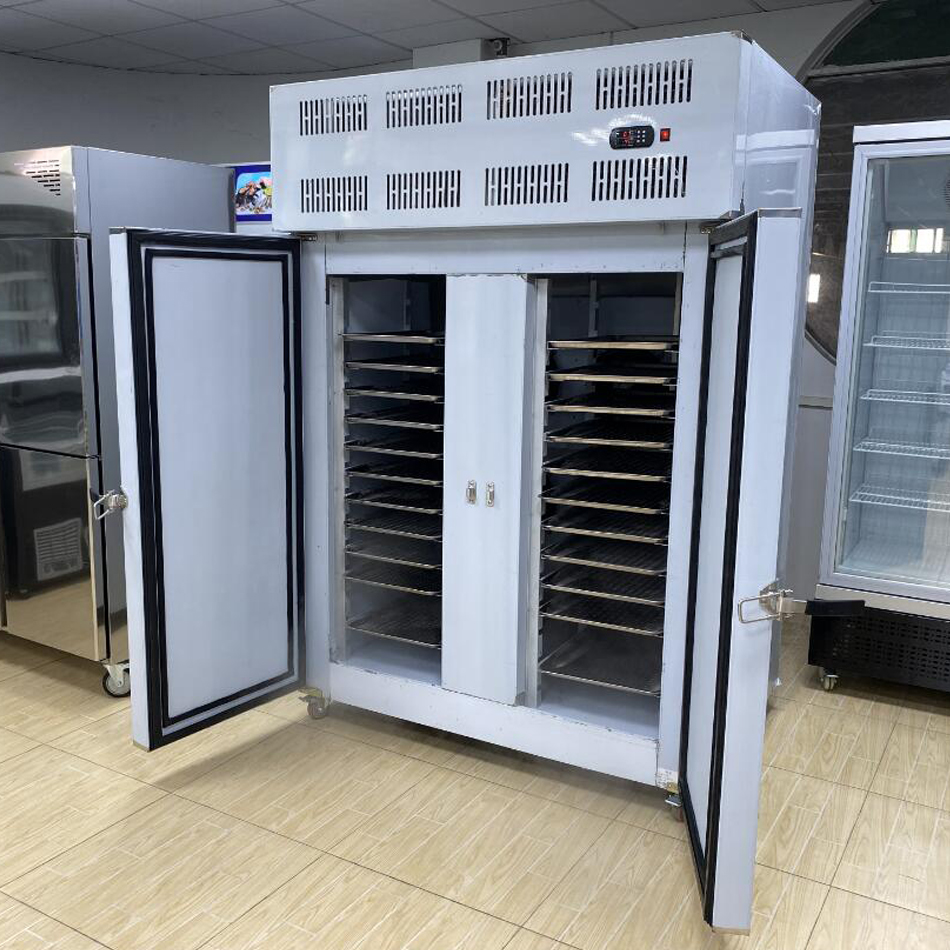
How Shock Freezer Halts Enzymatic Deterioration and Preserves Sensory Quality
The science behind rapid freezing: arresting autolysis before texture and flavor degrade
When it comes to seafood preservation, shock freezers work wonders by dropping temperatures to around -18 degrees Celsius super fast, usually within just a few minutes. This speed stops something called autolysis from happening, which is basically when enzymes start breaking down the proteins after the fish has been caught. If we can stop this process before any ice crystals form inside the cells, then those delicate cell membranes stay whole, keeping the texture firm and all those important flavor compounds from escaping. Now compare that to regular freezing methods where things happen much slower. During this longer freeze period, enzymes have plenty of time to mess with the muscle fibers while the seafood sits in what experts call the "critical zone" between about -1 and -5 degrees Celsius. What happens? Well, the texture becomes all mushy, colors look washed out, and that fresh-from-the-ocean smell just disappears. That's why commercial operations invest in shock freezing equipment despite the higher costs. It really does make a difference in maintaining quality right when it matters most.
Real-world impact: 22% higher sensory scores in Norwegian salmon exports using shock freezer
Norwegian fish processors who switched to shock freezing methods are seeing real improvements in product quality. Tests by trained taste panels show that shock frozen salmon gets about 22% better ratings compared to regular frozen salmon when exported. The difference shows up in how firm the fish feels, its shiny appearance, and that fresh ocean smell we all recognize. This happens because the quick freezing process stops enzymes from breaking down the flesh and prevents oxidation damage. When salmon is frozen fast, those valuable omega-3 fatty acids stay intact too, which means better taste for consumers and better nutrition on their plates. Fish companies can charge more money for these consistently high quality products, and they're doing just that across international markets where customers pay extra for top grade seafood.
Shock Freezer Minimizes Ice Crystal Damage to Maintain Texture and Yield
Why small, uniform ice crystals preserve myofibrillar structure in white fish fillets
When fish freezes slowly, big jagged ice crystals form inside them. These crystals tear through cell walls, leading to all sorts of problems including structural damage, water loss, and lower yields. This happens a lot with delicate white fish species such as cod and haddock. Modern shock freezers can get down to around minus 35 degrees Celsius within just over an hour. This rapid cooling creates lots of small ice crystals spread out evenly throughout the flesh. The result? Better preservation of muscle fibers, proteins stay hydrated longer, and there's much less dripping when the fish thaws. Research published in Food Chemistry backs this up showing that shock frozen white fish suffer about half the internal damage compared to regular frozen ones. They also retain roughly 18 percent more moisture. For processors, this means firmer texture in the final product, better overall yield from each batch, and significantly less waste during production runs.
Shock Freezer Suppresses Pathogen Proliferation for Safer Seafood Handling
FDA-validated microbial reduction: 94% lower Listeria load in shock-frozen shrimp
When seafood gets flash frozen under -18 degrees Celsius, it spends way less time in that dangerous temperature range between around 7 and 60 degrees where bad bacteria really thrive, especially stuff like Listeria monocytogenes. According to some recent FDA tests from last year, shrimp that go through this rapid freezing process end up with about 94 percent less Listeria than regular shrimp that take four hours or more to freeze normally. What happens is pretty interesting actually the quick freezing creates these tiny ice crystals that sort of trap the microbes, which basically puts a stop to their metabolism and makes them less likely to survive. Fish processing plants that have switched to these shock freezers are seeing something remarkable too. The Global Seafood Alliance did some audits and found these facilities experience roughly 60 percent fewer shutdowns related to sanitation issues compared to those using traditional methods.
Synergy with HACCP: time-temperature traceability from shock freezer to distribution
When shock freezers get paired with HACCP protocols, they create an automated system that tracks the entire freezing process in real time, especially watching those crucial moments when products pass through the dangerous 7 to 60 degree Celsius range. The digital tracking meets FSMA section 204 rules about better traceability and cuts down on human mistakes in record keeping by almost 80 percent, as reported by the Journal of Food Protection last year. Companies that implement this setup typically hit around 98% compliance rates during cold chain checks from outside auditors, which makes a big difference in how responsible everyone feels about food safety throughout the whole supply network.
Extended Shelf Life and Superior Nutrient Retention with Shock Freezer Technology
Seafood stays fresh longer when shock freezers rapidly drop core temps to -40 degrees Fahrenheit (-40 Celsius) in just minutes. This quick freeze stops enzymes from breaking down the fish, microbes from multiplying, and those chemical reactions that make food go bad. What happens next is pretty cool too. Tiny ice crystals form instead of big ones, so cells don't burst apart. That means the seafood keeps its original structure and doesn't lose as many important nutrients and fats into the surrounding water. Research published in scientific journals shows that seafood frozen this way holds onto around 90% of its valuable stuff like B vitamins, vitamin D, and those good omega-3s. Regular freezing methods only manage about 60 to 70% retention. For the seafood industry, this matters a lot. Better nutrient preservation plus stronger cell structure means consistently good quality products. Less waste throughout the supply chain and seafood that tastes and feels just as fresh all year round, even though it was caught months ago.
FAQ
What is the main advantage of using a shock freezer for seafood?
A shock freezer rapidly drops the temperature of seafood to prevent enzymatic degradation, preserve texture and flavor, and reduce ice crystal formation, ensuring superior quality.
How does shock freezing affect the nutritional content of seafood?
Shock freezing helps retain up to 90% of the seafood's nutritional content, including B vitamins, vitamin D, and omega-3 fatty acids, compared to 60-70% with traditional freezing methods.
Why do shock freezers minimize pathogen proliferation?
Shock freezers rapidly lower temperatures, preventing microbial growth like Listeria, resulting in a 94% reduction in bacteria compared to conventional freezing processes.
How does shock freezing impact the seafood industry economically?
Shock freezing enhances product quality, allowing seafood companies to charge premium prices in international markets, and reduces waste and sanitation-related shutdowns, increasing profitability.
Table of Contents
- How Shock Freezer Halts Enzymatic Deterioration and Preserves Sensory Quality
- Shock Freezer Minimizes Ice Crystal Damage to Maintain Texture and Yield
- Shock Freezer Suppresses Pathogen Proliferation for Safer Seafood Handling
- Extended Shelf Life and Superior Nutrient Retention with Shock Freezer Technology
- FAQ