EN
EN
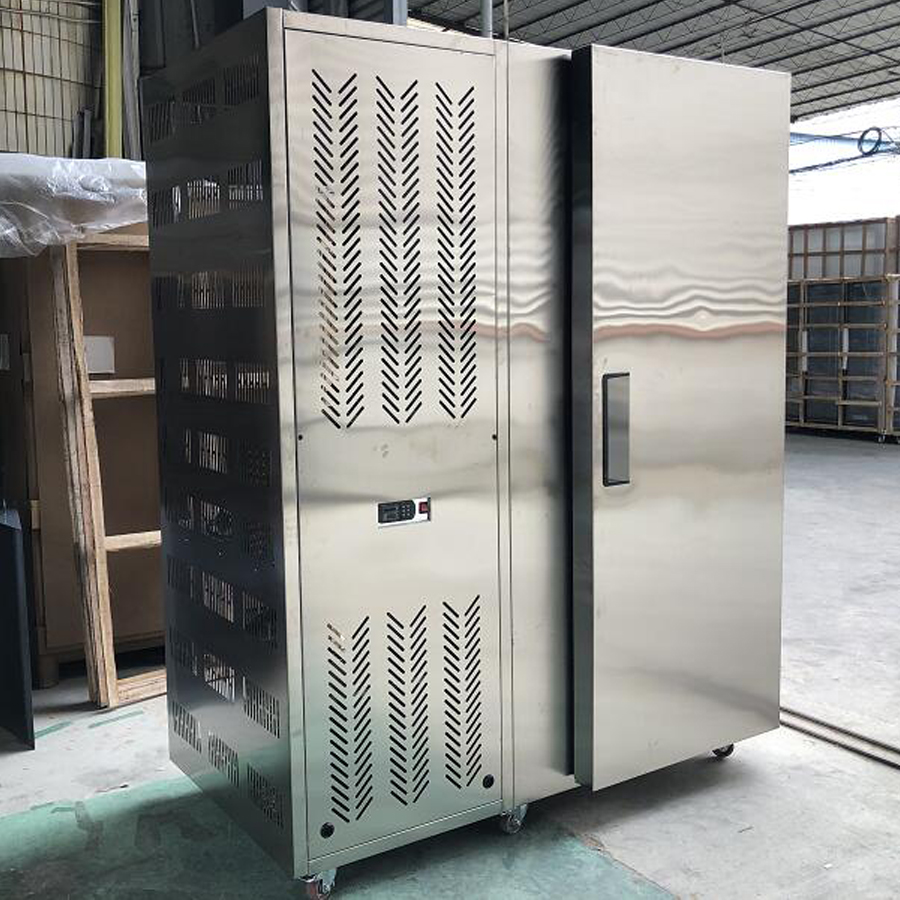
Match Shock Freezer Capacity and Performance to Your Production Workflow
Calculate Required Throughput: Aligning Daily Volume and Peak Load Demands
Start by analyzing both your regular daily output and seasonal peak demands—underestimating capacity creates bottlenecks during high-volume periods, while oversizing wastes energy and floor space. Industry benchmarks for meal production offer a practical starting point:
| Daily Meal Volume | Recommended Capacity | Peak Load Adjustment |
|---|---|---|
| < 200 meals | 50–75 lbs | +40% buffer |
| 200–600 meals | 100–150 lbs | +60% buffer |
| > 600 meals | 200+ lbs | +75% buffer |
Take a catering business that serves around 1,200 meals each day. They swapped out their old 100 lb shock freezer for a bigger 250 lb model. The results? Cooling cycles dropped by about half and they slashed food waste by roughly 30%, saving them $8,400 a year. Product density matters as well though. Thick meat cuts or items packed in liquid take somewhere between 15 to 20 percent longer to freeze compared to just plain unpackaged vegetables. Before making any purchase decisions, it makes sense to test equipment claims firsthand. Run some trials with what the business actually freezes on a regular basis, especially during those busy periods when demand peaks.
Evaluate Airflow Efficiency and Uniformity for Consistent Shock Freezing
How air moves around inside freezing units makes all the difference when it comes to consistent results and meeting food safety standards. When temperatures vary more than 2 degrees Fahrenheit (about 1.1 Celsius), certain areas become warm enough for harmful bacteria to thrive, which goes against FDA guidelines from 2022 on controlling time and temperature. Better systems create even cooling by circulating air in multiple directions, using adjustable speed fans that keep moving at least 4 meters per second when fully loaded, plus shelves with holes so nothing blocks the airflow. Real world testing shows these improvements can cut down freezing time by roughly a quarter to almost a third compared to older single fan setups, while also saving around 18 percent on energy costs. Look for equipment manufacturers who provide independent verification documents demonstrating their chambers maintain no more than a 1.5 degree Fahrenheit difference throughout during routine HACCP inspections.
Prioritize Dual-Mode Capabilities: Shock Freezer Versatility for Cook-Chill and Cook-Freeze Operations
Why Chilling + Freezing Modes Reduce Equipment Redundancy and Floor Space
Dual mode shock freezers cut down on the need for having blast chillers and regular freezers sitting around side by side, which can slash equipment duplication by nearly half while freeing up precious floor space in facilities where room is at a premium. When everything operates as a single system, there's no need to maintain separate schedules for parts replacement or keep track of extra inventory for different machines, plus it saves energy compared to running several appliances at once. These systems handle both rapid cooling down to about 3 degrees Celsius and ultra fast freezing all the way to minus 18 degrees without requiring staff to manually move products between stages, something that often leads to temperature issues and potential problems with food safety regulations. Most manufacturers find they get back roughly 30 to 40 percent of what would otherwise be taken up by individual units, creating opportunities to either extend their packaging operations or create better storage areas for ingredients. Plus, since operators only need to learn how one system works instead of multiple devices, training becomes much simpler and production remains steady throughout both chilling and freezing processes on this integrated platform.
Ensure Regulatory Compliance with HACCP-Ready Shock Freezer Systems
Meeting FDA and USDA Time-Temperature Standards: ¥4 Hours to -18°C (0°F)
Getting HACCP compliant means following those strict FDA and USDA rules about how fast food needs to cool down. The requirement is pretty clear cut actually: get food from around 140 degrees Fahrenheit down to freezing point within just four hours to stop bacteria from growing out of control. If restaurants don't follow these guidelines properly, they face serious problems. Not only does it create conditions where dangerous stuff like Listeria can spread, but there are also hefty fines involved too. We're talking over seven hundred forty thousand dollars according to a study done back in 2023 by the Ponemon Institute. Fortunately for food service operators, modern equipment designed specifically for HACCP standards handles this challenge quite well. These newer systems use powerful air circulation combined with multiple cooling stages so everything stays at the right temperature throughout. What's nice about them is that while keeping things cold enough to be safe, they still manage to preserve the food quality so customers aren't left with soggy or frozen products.
Built-in Data Logging, Alarms, and Audit-Trail Features for Traceability
Monitoring systems track temperatures every half minute and sound off alerts when temps go outside the ±1 degree range from target settings so problems can be fixed right away. The system keeps detailed records too, including timestamps on all measurements, reports showing when things went out of spec, and backups stored safely in the cloud for three full years. This kind of tracking makes sure operations stay within FDA guidelines for freezing food within four hours maximum, cuts down on paperwork needed for HACCP corrections, and gives better protection during legal disputes. Switching from old fashioned paper charts saves about two thirds of the time spent getting ready for audits while also completely stopping those annoying mistakes people make when manually entering data.
Optimize Deployment Strategy: When to Use a Shock Freezer vs. Blast Chiller
Shock freezers and blast chillers play different but working together roles when it comes to keeping food safe and maintaining quality. Blast chillers work fast cooling down cooked foods to around 3 degrees Celsius or 37 Fahrenheit for storing overnight or serving on the same day they were made. They help skip over that dangerous temperature range where bacteria grow best between 5 and 60 degrees Celsius within about 90 minutes. On the other hand, shock freezers get things really cold, below minus 18 degrees Celsius sometimes even colder for storing food for months or years. These super low temps create tiny ice crystals instead of big ones which helps preserve the cell structures in sensitive foods such as fresh fish, strawberries, and ready to eat meals without damaging them so much during freezing.
Choose based on these operational criteria:
- Shelf-life needs: Use blast chillers for items consumed within 72 hours; shock freezers for goods requiring months of frozen storage
- Texture sensitivity: Select shock freezers when preserving moisture, tenderness, or structural integrity—critical for baked goods, sauces, and ready-to-eat entrées
- Production volume & workflow: Blast chillers excel for batch-cooked soups and sauces in high-turnover kitchens; shock freezers support high-volume frozen-entrée lines and extended distribution chains
For facilities dealing with both perishable items and frozen products, investing in dual mode systems usually delivers better returns on investment. These setups cut down on duplicate machinery costs while still meeting all those pesky FDA and USDA requirements about temperature control over time. When it comes to shock freezers, they're worth considering whenever keeping food fresh for longer becomes more important than just getting things cold quickly. Think about luxury meats or specialty seafood that need to stay at peak quality during transport across states or even internationally. The extra upfront cost pays off in reduced waste and happier customers who receive exactly what they paid for.
Frequently Asked Questions
What is the purpose of a shock freezer?
A shock freezer is designed to rapidly freeze items, preventing the formation of large ice crystals to maintain food quality, safety, and extend shelf life.
How do dual-mode shock freezers save space and cost?
Dual-mode shock freezers combine chilling and freezing functions in one unit, reducing equipment duplication and saving floor space, while also minimizing energy use.
Why is it important for equipment to be HACCP-ready?
HACCP-ready equipment ensures compliance with food safety regulations, helping prevent bacterial growth and protecting against costly fines or legal issues.
What are the key differences between shock freezers and blast chillers?
Shock freezers rapidly freeze food for long-term storage, while blast chillers quickly cool cooked food for short-term storage to prevent bacterial growth.
How can airflow efficiency impact freezing results?
Efficient airflow ensures uniform cooling and prevents temperature variations that can lead to food safety issues.
Table of Contents
- Match Shock Freezer Capacity and Performance to Your Production Workflow
- Prioritize Dual-Mode Capabilities: Shock Freezer Versatility for Cook-Chill and Cook-Freeze Operations
- Ensure Regulatory Compliance with HACCP-Ready Shock Freezer Systems
- Optimize Deployment Strategy: When to Use a Shock Freezer vs. Blast Chiller
- Frequently Asked Questions