EN
EN

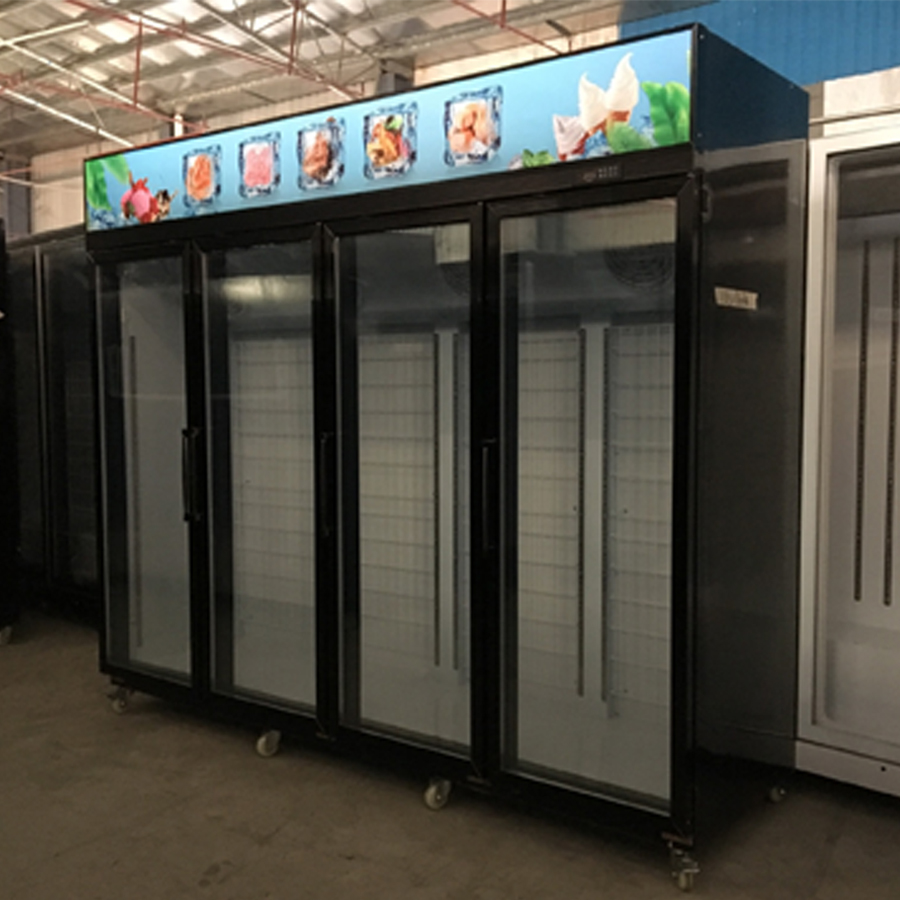
Core IQF Freezing Principle: Rapid Heat Removal and Ice Crystal Control
Physics of Ultra-Rapid Freezing: Suppressed Ice Nucleation and Minimized Intracellular Damage
IQF freezers work mainly because they pull heat away super fast, usually at rates above 1 degree Celsius per second. This rapid cooling changes how ice forms inside food products. When things freeze this quickly, it stops the usual way ice starts forming (called heterogeneous nucleation) and instead creates lots of tiny crystal formation spots all at once. The result? Ice crystals stay really small, typically below 25 micrometers in size, which is actually smaller than most plant cells themselves. These tiny crystals don't rupture cell membranes like bigger ones do. Regular slow freezing works differently though. It tends to create fewer starting points for ice formation, leading to those big, destructive crystals that poke through cell walls and basically destroy the food's structure. Keeping those cells intact means less liquid escapes when food thaws later, and the texture stays better too. Research published in scientific journals shows that IQF freezing reduces cellular damage by more than 80% compared to traditional methods.
Role of High-Velocity, Sub-Zero Airflow in Achieving <25 µm Ice Crystals (e.g., Strawberry Case Study)
When cold air moves through IQF freezers at temperatures between minus 30 and minus 40 degrees Celsius, it becomes the main force behind creating those tiny ice crystals that keep frozen foods from getting mushy. At speeds ranging from 2.5 to 4 meters per second, this fast moving air creates what's called a fluidized bed effect. Small fruits such as strawberries actually float in this airstream, bouncing around and getting hit by the super cold air from all sides. The result? Water inside the fruit turns to ice almost instantly before big crystal structures can form. Tests with strawberries showed that these tiny ice crystals averaged just 22 micrometers in size, which is under the 25 micrometer mark where texture starts to suffer. That means about 94 percent of the color pigments stay intact and the berries remain firm after thawing. Another benefit is no clumping together during freezing since each strawberry gets locked in solid state separately within five to seven minutes. Get the airspeed wrong though, and temperature differences start forming bigger ice crystals deep inside the fruit. For companies dealing with delicate produce, getting this balance right is absolutely essential to maintaining product quality throughout storage and transportation.
IQF Freezer Workflow: From Fresh Fruit to Individually Frozen Product
Pre-Freezing Preparation: Washing, Sizing, Blanching, and Surface Drying for Optimal IQF Performance
When fresh berries go into the IQF freezing system, they first go through several steps to make sure everything freezes evenly and quickly. The fruits get washed under high pressure to knock out any dirt from the fields. Then comes optical sorting which makes sure all pieces are roughly the same size so they'll freeze properly. Some fruits also need a quick blanch in hot water to stop those pesky enzymes that make them brown and develop weird flavors after freezing. Getting rid of surface moisture is really important too. Most facilities use either spinning dryers or powerful air jets to bring moisture down below half a percent. This prevents ice bridges from forming between frozen items, which is what causes them to stick together. A study in the Journal of Food Engineering last year found that when fruits are dried properly before freezing, clumping drops by around 70% compared to just tossing wet fruit into the freezer. That kind of difference matters a lot for food processors who want each piece to stay separate.
Freezing Chamber Dynamics: Fluidized Bed vs. Tunnel IQF Freezer Designs and Their Impact on Throughput & Uniformity
How well an IQF freezer works really hinges on how its chamber is designed. Take fluidized bed freezers for instance these machines basically float tiny food items such as berries through super cold air moving at around 2.5 to 4 meters per second at minus 40 degrees Celsius. This creates what looks kind of like boiling water but instead of bubbles rising up, individual pieces stay separated from each other while getting frozen all over in less than ten minutes flat. Then there are tunnel freezers which operate differently altogether. They rely on conveyor belts that pass products through several cooling stages where temperatures drop progressively down to about minus 35 degrees. These tend to work better when dealing with bigger items or oddly shaped foods like apple slices or chunks of mango that just won't behave nicely in a fluidized system. Of course nothing comes without compromises here either.
| Design | Throughput Capacity | Uniformity Control | Ideal Products |
|---|---|---|---|
| Fluidized Bed | 2−5 tons/hour | High | Small fruits (berries) |
| Tunnel | 5−15 tons/hour | Moderate | Sliced fruits, chunks |
Fluidized beds achieve ≥95% individual freezing but operate at lower volumes; tunnel systems scale efficiently while maintaining 85−90% separation, per findings in the International Journal of Refrigeration (2022). Both designs reliably limit ice crystal growth to under 25 µm when properly calibrated—ensuring quality across applications.
Quality Advantages of IQF Freezer Technology for Fruits
Preservation Metrics: Vitamin C (92%), Anthocyanins (89%), and Texture Retention vs. Conventional Freezing
IQF technology really stands out when it comes to keeping nutrients and flavors intact. Research published in scientific journals indicates that this method keeps about 92 percent of vitamin C and around 89 percent of those important anthocyanin antioxidants in berries, which tend to break down quickly with regular freezing methods. The secret lies in how small the ice crystals form during the process these tiny crystals are under 25 micrometers and they don't damage the cells inside the fruit. This means fewer enzymes get activated and less oxidation happens. When it comes to texture, IQF makes a big difference too. Fruits frozen this way stay about 95% as firm as they were originally, while standard freezing tends to create that unpleasant mushy texture we all know too well. The temperature range for IQF is pretty tight between minus 30 and minus 40 degrees Celsius. At these temps, enzyme activity stops dead in its tracks, and all those delicate smells and juices stay locked inside. Take raspberries as an example they actually taste just like fresh berries once thawed, something most people wouldn't expect from frozen produce.
Critical Design Features That Enable True Individual Quick Freezing
Clump Prevention Engineering: Wave Impingement Nozzles and Precision Air Velocity Control (2.5−4.0 m/s)
When clumping occurs, it basically defeats what makes IQF so valuable in the first place those individual, free flowing pieces. Instead we get frozen blocks that mess up portion control, change the texture, and cause problems later in processing. To fight this issue, modern systems use these special wave impingement nozzles. They blow out oscillating air streams that actually separate the items while they're freezing, all without causing any damage from impacts. The jets are angled just right to keep particles from touching each other while still keeping everything nice and cold throughout. Airflow rates stay pretty strict too, usually somewhere between 2.5 and 4 meters per second. That sweet spot creates what's called a stable fluidized bed effect. Getting this balance right means things stay suspended gently and separated properly. The end result? The cellular structure remains intact and we can count on consistent, reliable individual freezing at scale.
FAQ
What is IQF freezing?
IQF stands for Individual Quick Freezing, a technology used to freeze food items individually, ensuring they do not clump together.
How does IQF freezing benefit food quality?
IQF freezing creates small ice crystals under 25 micrometers, preserving cell structure, texture, vitamins, and antioxidants, unlike traditional freezing that can cause cell damage.
What are the applications of IQF technology?
IQF technology is especially beneficial for small fruits like berries but can also be adapted for sliced fruits and chunks using different freezer designs.
What temperatures and airflow speeds are optimal for IQF freezing?
IQF freezing typically occurs at temperatures between minus 30 and minus 40 degrees Celsius with airflow speeds ranging from 2.5 to 4 meters per second.