EN
EN

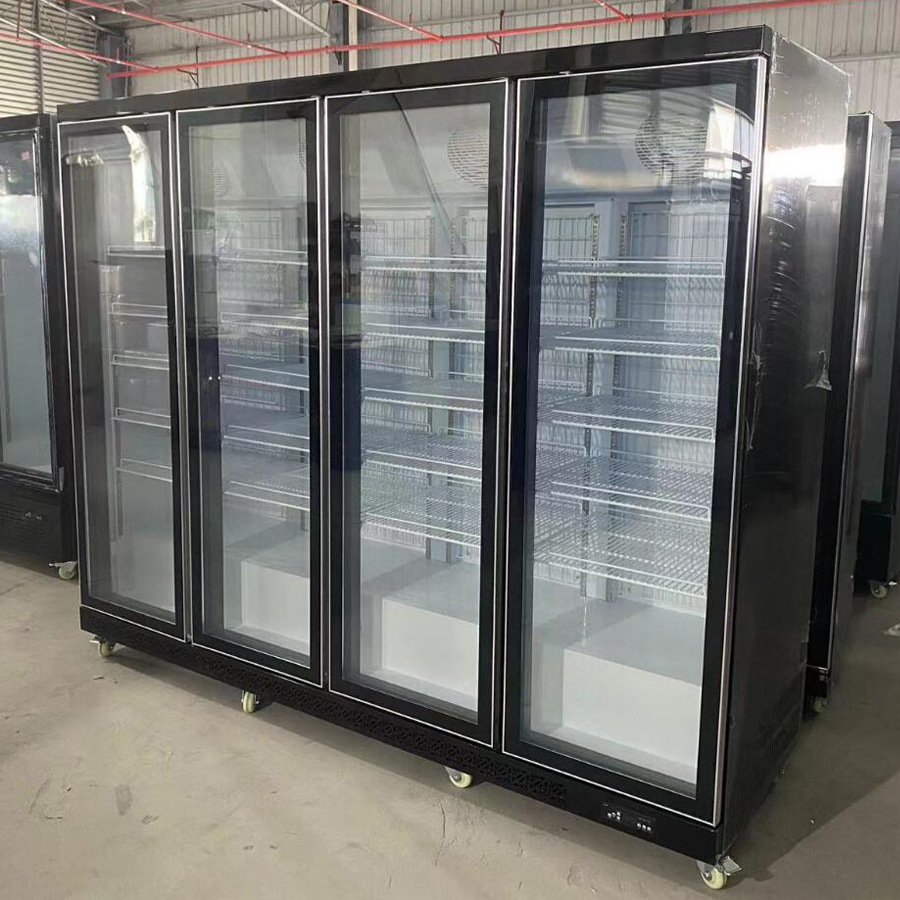
Energy Efficiency: Key Technologies and Real-World Performance Metrics
Beyond ENERGY STAR: Interpreting kWh/yr Ratings and Lifecycle Energy Costs
The ENERGY STAR label shows minimum efficiency standards, but what really matters for saving money is having clear energy measurements that match real situations. Take commercial freezers as an example. A model rated at around 4,500 kWh per year would cost about $540 each year when electricity costs $0.12 per kWh. That adds up to roughly $16,200 or more across the usual 15 years these units last. The problem? Those lab ratings tend to be optimistic. Real world tests have found that factors like outside temperature, moisture levels, and how often doors get opened can cut down the actual performance ratio by anywhere from 15 to 30 percent. Things get even worse in areas where there's lots of humidity because compressors work harder, increasing energy consumption by about 22% according to ASHRAE refrigeration standards. When looking at total costs over time, businesses need to consider local power prices, regular maintenance schedules, how much heat their equipment handles, and other environmental factors instead of relying solely on those certification stickers.
High-Impact Efficiency Upgrades: R-290 Refrigerant, Variable-Speed Compressors, and High-Density Polyurethane Insulation
Three proven technologies deliver step-change improvements in frozen storage efficiency:
| Technology | Energy Reduction | Key Benefit |
|---|---|---|
| R-290 (Propane) Refrigerant | 18–25% | Near-zero GWP & superior heat transfer |
| Variable-Speed Compressors | 30–45% | Demand-matched cooling without cycling |
| Polyurethane Insulation (≈42 kg/m³) | 20%+ | Halved heat infiltration |
The thermodynamic characteristics of R-290 allow for quicker heat transfer and significantly lower compression ratios compared to standard HFC refrigerants. This results in reduced energy consumption and cuts down on global warming potential by nearly 99%. When it comes to variable speed compressors, they actually solve a big problem with traditional systems that constantly turn on and off, wasting around 15 to 20% of energy. These newer models adjust their output based on what the space needs at any given moment. For insulation, high density polyurethane material packed at least 42 kg per cubic meter works wonders against heat intrusion. Stores in busy locations can maintain steady temperatures of minus 18 degrees Celsius even when running only 40% as much as before. Putting all these improvements together usually pays for itself within about three years. That makes sense considering how much power goes into keeping things cold in restaurants and other food service operations where refrigeration accounts for roughly 60% of overall electricity usage.
Temperature Precision and Food Safety Compliance for Frozen Goods
Maintaining -10°F to 0°F Uniformly: Airflow Design, Sensor Placement, and Load-Adaptive Controls
Keeping food safe really depends on keeping temperatures consistent throughout storage areas. Modern airflow systems work in multiple directions to wrap around products evenly, which helps avoid those pesky hot spots where things might start to thaw locally. The best practice is putting sensors in strategic locations - away from door areas where temperature fluctuations happen and close to where cold air comes out from evaporators. These spots give us reliable readings instead of just random spikes or drops. When someone restocks shelves or there's a brief power issue, smart compressors kick in immediately to maintain shelf temperatures within about one degree Fahrenheit. For businesses dealing with inspections, these systems automatically record temperature details every ninety seconds, meeting those strict FDA regulations under 21 CFR Part 11. This kind of detailed logging isn't just paperwork either; it actually protects both customers and the bottom line when audits come around.
| Technology | Food Safety Impact | Energy Efficiency Benefit |
|---|---|---|
| Multi-zone airflow | Prevents localized thawing in 99% of units | Reduces compressor runtime by 18% |
| Redundant sensors | Cuts temperature deviation risks by 45% | Optimizes defrost cycles |
| Adaptive compressors | Ensures ±2°F recovery after door openings | Lowers kWh consumption by 22% |
Product-Specific Requirements: Why Ice Cream, Seafood, and Prepared Meals Demand Different Stability Tolerances
What goes into frozen products determines exactly what temperature and humidity levels they need. Take ice cream for example it needs to stay between about -20 degrees Fahrenheit and -10 degrees to keep the fat from separating and forming those big ice crystals we all hate. If it gets warmer than that, the texture just falls apart completely. Seafood storage is another story altogether. These items have to be kept at -10 degrees or colder to stop the growth of bacteria that produce histamines. Even small temperature swings of around 5 degrees can speed up spoilage by almost three times. For prepared meals, the range is a bit higher between -5 and 0 degrees Fahrenheit but there's an important catch the humidity inside the freezer has to stay under 50% relative humidity otherwise sauces will separate and the starches in foods start to break down. That's why many commercial operations invest in freezers that have different temperature zones or sometimes dedicate entire units to specific types of food products. This setup helps meet HACCP standards while keeping everything tasting fresh and extending how long products last on store shelves.
Commercial Freezer Types: Matching Configuration to Operational Needs
Choosing between different commercial freezers like uprights, chests, walk-ins, or reach-ins makes a big difference when it comes to how much power they consume, maintaining consistent temperatures, and keeping things running smoothly in operations. Upright models work great for kitchen spaces where there's not much floor room available since they stack vertically. Chest freezers take up more ground space but provide deeper storage that's good for stockrooms where items aren't accessed often, so doors don't open as frequently. For places needing lots of storage space and organization, walk-in freezers are the way to go in production areas. Meanwhile, reach-in models let staff grab ingredients quickly right next to their prep stations. Getting the setup right based on how often something gets used, how much space is available, and what kind of volume needs handling can cut down on wasted energy by about 30%, according to data from the US Department of Energy's 2023 Commercial Buildings Energy Consumption Survey. Plus, it helps keep temperatures stable so frozen products stay fresh longer. Restaurants focused on fast service might put reach-in freezers near their cooking stations, while caterers dealing with large quantities will find walk-in designs much more useful for their bulk storage requirements.
Capacity, Space Utilization, and Storage Configuration for Long-Term Frozen Goods Integrity
Shelving, Pan Slides, and Rack Systems: Impact on Accessibility, Air Circulation, and Shelf Life Retention
How things are arranged in cold storage makes all the difference when it comes to keeping frozen products good quality. Stainless steel shelves that can move around help accommodate odd shaped packages while still letting air flow through properly. This matters because poor airflow creates temperature layers inside freezers, which leads to bigger ice crystals forming on food surfaces. Pan slides are another smart feature for busy areas where meals get restocked often. They reduce how long doors stay open, cutting down both energy waste and stress on temperature sensitive items. When stacking lots of stuff vertically with industrial racks, make sure these aren't placed near evaporator fans though. Otherwise certain spots might freeze too much and damage what's stored there. Good air movement throughout the facility is really important too. Seafood sitting in corners where no air reaches tends to spoil about three times quicker than items placed correctly. Storage systems that can change layouts over time save headaches later on when new products come in, and they work just fine within those critical minus ten to zero degree ranges needed for proper long term preservation.
FAQs
What factors affect real-world energy performance in commercial freezers?
Real-world energy performance is influenced by external temperature, humidity levels, door usage, and frequent maintenance, all of which can decrease efficiency by 15-30% compared to lab ratings.
How does R-290 refrigerant enhance energy efficiency?
R-290 allows for rapid heat transfer and decrease in compression ratios, substantially reducing energy consumption and global warming potential by nearly 99% compared to traditional refrigerants.
What temperature conditions are necessary for different frozen products?
Ice cream requires temperatures between -20 and -10 degrees Fahrenheit, seafood needs to be stored at -10 degrees or below, while prepared meals should be kept between -5 and 0 degrees Fahrenheit, with careful humidity control.
Why choose specific types of commercial freezers for operations?
Different freezers like uprights, chests, walk-ins, and reach-ins optimize space, energy, and temperature management based on operational needs and product access frequency.
Why is airflow important in cold storage?
Proper airflow prevents temperature layers that cause ice crystals, ensuring consistent temperature and food quality within storage facilities.
Table of Contents
- Energy Efficiency: Key Technologies and Real-World Performance Metrics
- Temperature Precision and Food Safety Compliance for Frozen Goods
- Commercial Freezer Types: Matching Configuration to Operational Needs
- Capacity, Space Utilization, and Storage Configuration for Long-Term Frozen Goods Integrity
-
FAQs
- What factors affect real-world energy performance in commercial freezers?
- How does R-290 refrigerant enhance energy efficiency?
- What temperature conditions are necessary for different frozen products?
- Why choose specific types of commercial freezers for operations?
- Why is airflow important in cold storage?