EN
EN
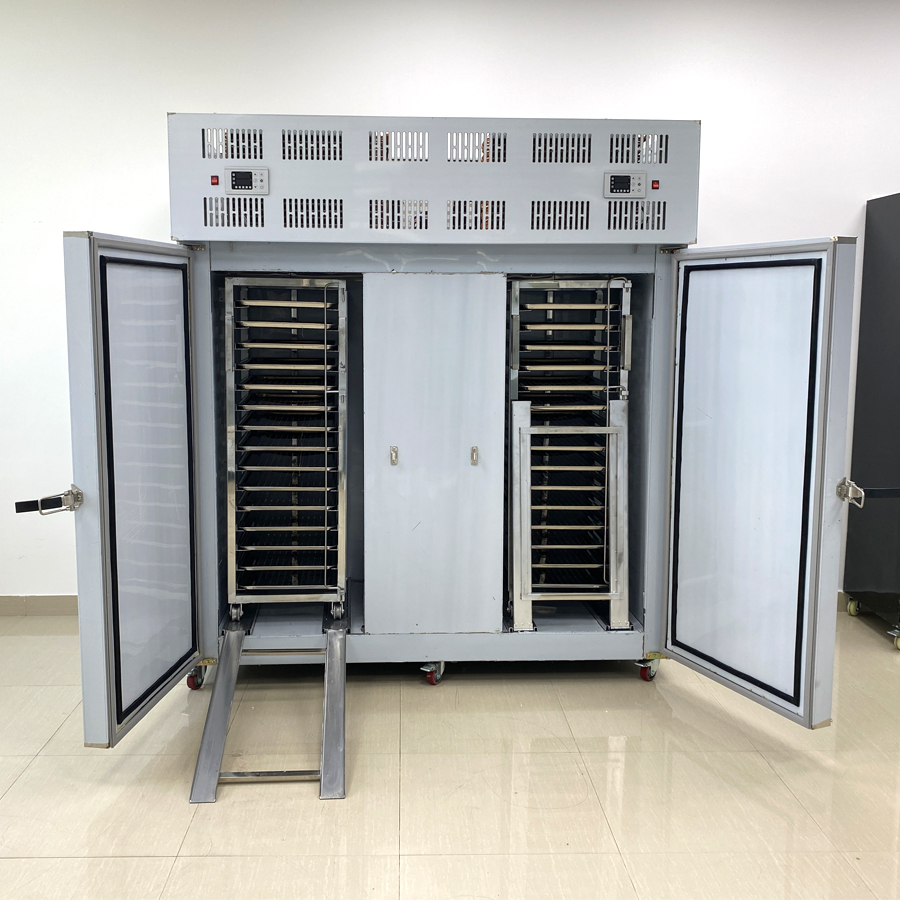
How Shock Freezer Enables Ultra-Rapid Freezing and Minimizes Cellular Damage
Core mechanism: Achieving -40°C to -60°C in under 15 minutes via forced convection or cryogenic exposure
There are basically two ways shock freezers get seafood down to super cold temps really fast. One method uses forced convection where they blow air between minus 40 and minus 60 degrees Celsius straight onto the fish at speeds over 15 meters per second. This cuts freezing time down to less than 15 minutes flat. Another option is cryogenic freezing which throws products into liquid nitrogen or carbon dioxide at an icy minus 196 degrees Celsius. The extreme cold transfers heat almost instantly. These techniques beat regular freezers by about three times when it comes to getting past the thermal resistance in seafood tissue. Core temperatures drop from room temp (around 20 degrees) all the way down to minus 18 in just seven to twelve minutes. And this matters a lot because the quick freeze stops big ice crystals from forming inside the cells. That means better quality fillets with fewer structural damages to those sensitive protein layers and cell membranes too.
Science of ice crystallization: Why rapid nucleation preserves intracellular structure in delicate seafood tissues
The speed at which nucleation happens plays a big role in keeping cells intact. When things freeze slowly, the water outside the cells turns to ice first. This creates problems with osmosis, causing cells to lose their water content. Big, sharp ice crystals start forming and these can actually tear through cell membranes as they grow. Things are different when we talk about shock freezing. This method gets nucleation going both inside and outside the cells at once. Once temps drop below minus 40 degrees Celsius, water forms lots of tiny crystals measuring less than five microns across. These little guys don't mess with lipid bilayers or damage structural proteins in creatures such as scallops or tuna. Research shows that fast freezing keeps around 95 percent of the original cell structure intact compared to just 60 percent for slow frozen items. That explains why texture stays better and moisture levels remain stable. Plus, this quick process stops enzymes from getting active while cellular fluids aren't concentrated into harmful solution mixtures.
Shock Freezer Delivers Superior Sensory and Nutritional Retention in Seafood
Empirical Quality Gains: Texture, Flavor, and Omega-3 Retention in Salmon and Cod After Shock Freezing vs. Slow Freezing
Research keeps showing that shock freezing gives real benefits when it comes to premium seafood compared to regular freezing methods. Take salmon and cod for instance - their texture stays about 97% like fresh fish after being shock frozen, whereas slow freezing only manages around 68% according to some recent studies from 2023 on cryopreservation techniques. The reason behind this difference lies in how much damage occurs during the formation of ice crystals, which affects both firmness and how well the flakes separate. When looking at flavor compounds, they stay about 40% stronger in shock frozen fish. Plus, those valuable omega-3 fatty acids hang on at around 92%, versus just 74% in traditionally frozen options. And don't forget what matters most to consumers - actual taste tests conducted with professional chefs have repeatedly found that shock frozen seafood is basically impossible to tell apart from freshly caught fish in blind tastings.
Microstructural Evidence: TEM Imaging Confirms Membrane Integrity and Reduced Drip Loss Post-Shock Freezing
Looking at samples through Transmission Electron Microscopy gives clear proof about how shock freezing protects cells better than regular methods. When we look closely, slow freezing creates all sorts of strange, pointy ice crystals bigger than 100 micrometers that can actually tear apart cell walls. Shock freezing on the other hand produces much smaller, consistent crystals measuring less than 10 micrometers across. The difference in structure really matters for how well things work afterward. Tests show that membranes stay intact about 89% of the time after shock freezing, but only about half that rate when using traditional freezing techniques. And this makes sense because when cells leak less fluid during thawing, called drip loss, the numbers drop dramatically from around 12-15% down to just 3-5%. All these microscopic advantages translate into real world benefits too. Processing plants see about 30% more usable product coming out, and seafood stays fresh looking and tasting good for roughly 40% longer before quality starts declining.
Food Safety Assurance: How Shock Freezer Inhibits Pathogens and Destroys Parasites
Bacterial suppression: Rapid temperature drop halts growth of Vibrio, Listeria, and Aeromonas during critical lag phase
Shock freezers cut down on foodborne illness risks because they can bring seafood temperatures down to -40°C or even colder in just a few minutes. That's way better than what the FDA requires for safe handling, which is simply getting below -3.9°C within 90 minutes. When seafood cools this fast, it stops bacteria from multiplying during their early growth stage before they get going full speed. This prevents dangerous microbes like Vibrio, Listeria, and Aeromonas from starting their explosive population growth. The forced air system inside these freezers makes sure cold reaches all parts evenly. Seafood has a tendency to trap heat in its thick tissues, but the powerful airflow breaks through this insulation effect. There are no more hidden spots where bacteria might hide out and survive the freezing process.
Regulatory compliance: FDA/EFSA validation of shock freezer protocols (-35°C for 15 min) for Anisakis eradication
Global food safety regulators have put strict rules in place for freezing procedures to control parasites in seafood. Both the US FDA and EFSA insist that seafood must reach and stay at -35 degrees Celsius for a minimum of 15 minutes. This treatment knocks out about 99.9% of those pesky Anisakis worms, something most industrial shock freezers can handle pretty consistently. The magic happens when this specific cold treatment breaks down the proteins in these parasites while still keeping the seafood tasting good. Companies that switch to shock freezing see roughly 47% fewer problems with parasites showing up later on their products according to recent studies from the Journal of Food Protection back in 2023. Plus there's another benefit worth mentioning too: this freezing method actually helps break down harmful toxins found in certain dangerous fish like pufferfish, making them safer for consumption.
Operational and Economic Advantages of Shock Freezer in Seafood Processing
Shock freezers offer real money savings and better operations for those in the seafood processing business. When batches freeze quickly, there's less need for workers and fewer times the product gets touched around the plant. Spoilage drops dramatically too, maybe cutting losses by close to a third when compared to regular freezing methods. The shorter time needed to freeze stuff means plants use less electricity overall, saving between 18 and 22 percent on power bills. Plus, they can get through much more product each day. Seafood stays fresh longer after shock freezing, often lasting double what it would normally. This extended freshness cuts down on wasted stock sitting around and lets companies ship products based on actual customer needs rather than guessing game schedules. Freezing happens 25% quicker which brings down the cost per piece processed, and allows facilities to scale up production as demand grows. What's really important though is that all these improvements happen without compromising taste, nutrition levels, or food safety standards that consumers expect from quality seafood products.
FAQ
What is shock freezing?
Shock freezing is an ultra-rapid freezing technique that cools seafood to extremely low temperatures in a very short period, preventing cellular damage and preserving quality.
How does shock freezing prevent cellular damage?
By rapidly reducing temperatures to inhibit the formation of large ice crystals, shocking freezing preserves the structural integrity of cells, preventing them from being damaged.
Is shock freezing better than traditional freezing techniques?
Yes, shock freezing is shown to maintain better texture, flavor, and nutrient retention compared to traditional freezing techniques.
How does shock freezing enhance food safety?
Shock Freezing inhibits pathogens by rapidly dropping temperatures to levels that destroy bacteria and parasites, ensuring a safer product.
Can shock freezing result in economic benefits for businesses?
Yes, shock freezing reduces spoilage, lowers energy costs, and increases operational efficiency, providing economic advantages to seafood processing businesses.
Table of Contents
- How Shock Freezer Enables Ultra-Rapid Freezing and Minimizes Cellular Damage
- Shock Freezer Delivers Superior Sensory and Nutritional Retention in Seafood
- Food Safety Assurance: How Shock Freezer Inhibits Pathogens and Destroys Parasites
- Operational and Economic Advantages of Shock Freezer in Seafood Processing
- FAQ