EN
EN
Guaranteeing Food Safety and Regulatory Compliance
Maintaining precise food safety protocols is non-negotiable for frozen food retailers, where even brief temperature deviations can trigger rapid bacterial growth. Your commercial freezer serves as the operational backbone—enabling strict adherence to critical regulatory frameworks like the FDA’s Food Code, USDA requirements, and local health ordinances.
Precision Temperature Control at -18°C to Prevent Pathogen Growth
Keeping temperatures steady at around -18 degrees Celsius (about -0.4 Fahrenheit) stops most dangerous bacteria from growing, including nasty bugs like Listeria and Salmonella. Studies show these pathogens start multiplying rapidly when temps go even slightly higher than that magic number. Commercial freezers are built to keep things pretty stable, usually staying within plus or minus 1 degree Celsius. But regular home freezers tend to swing all over the place, sometimes varying by as much as 5 degrees. These fluctuations create real problems for food safety standards and can put businesses at risk of non-compliance issues down the road.
Meeting FDA, USDA, and Local Health Code Requirements
Keeping track of temperatures, validating equipment regularly, and maintaining safe storage conditions are all part of staying compliant operationally. The FDA's Food Safety Modernization Act (FSMA) actually mandates specific preventive controls for refrigeration systems too. This includes checking how freezers perform over time, setting up proper HACCP plans that cover thawing procedures, plus making sure staff knows what to do when power goes out or emergencies happen. Companies that fail these requirements face serious consequences. According to research from Ponemon Institute back in 2023, penalties can top seven hundred forty thousand dollars. That's why investing in commercial grade refrigeration solutions isn't just smart business practice anymore—it has become absolutely essential for both following the law and running operations properly without constant headaches down the road.
Extending Shelf Life and Minimizing Food Waste
Stable, Uniform Freezing Conditions Preserve Texture and Nutrient Integrity
Commercial freezers keep things consistently frozen around -18 degrees Celsius, which stops those annoying temperature swings that lead to bad ice crystal formation and cell damage in food products. When foods stay at a steady temperature, they maintain their texture better. Think about how veggies stay crispy and meats remain tender instead of getting all mushy. According to research from Food Science Review back in 2023, these consistent temperatures help retain more than 90 percent of sensitive nutrients such as vitamin B and C compared to older, less reliable freezing techniques. The reason? Uniform cold slows down both enzymes and microbes naturally present in food. This means items can last much longer on shelves sometimes weeks or even months longer than before. And when it comes down to real world impact, organizations like WRAP calculate that just one extra day of shelf life could stop approximately 200 thousand tons of food going to waste every year worldwide. So investing in good quality freezing equipment isn't just about keeping food fresh longer; it's actually a smart move for businesses looking to cut costs while doing something positive for the environment at the same time.
Supporting FIFO Inventory Rotation and Reducing Spoilage Rates
The FIFO method for inventory management works really well in commercial freezers when there's good organization, proper labels, and some kind of digital system to track what's going on. The idea is simple enough: use the oldest stuff first before it goes bad. According to Supply Chain Analysis from last year, this kind of systematic approach can cut down on spoiled products by around 25%. That makes a big difference in frozen food retail where we're talking about something like $1 trillion lost every year globally because of unsold inventory, as reported by FAO in their 2023 findings. Modern systems with automated alerts and smart zoning help eliminate those pesky mistakes people make and save time too. These features not only keep food safe but also protect the business finances in the long run.
Boosting Sales and Streamlining Operations with Strategic Freezer Types
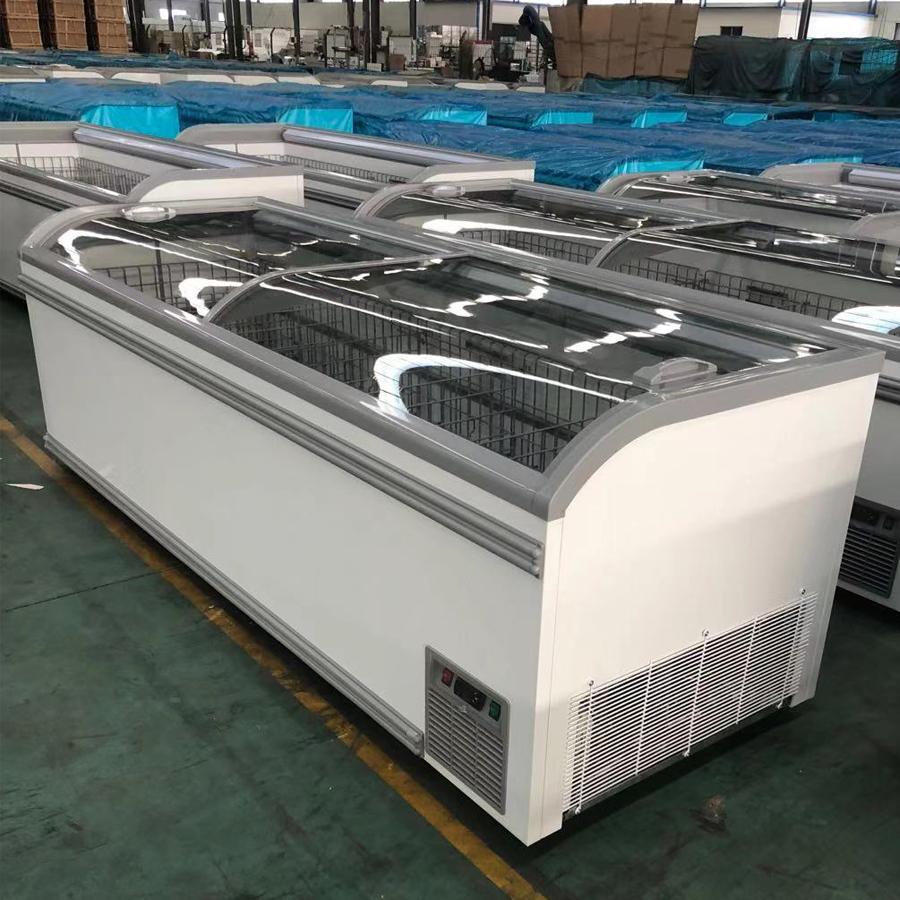
Display Commercial Freezers: Enhancing Visibility, Impulse Purchases, and Brand Presentation
When display freezers are placed in smart locations, they turn what used to be boring frozen food aisles into actual money makers. The glass front upright models work wonders because people naturally look at things eye level. Studies show around 30 percent more purchases happen this way, particularly if stores add good lighting and keep everything looking fresh with their branding on display. What's great about these freezers is that staff can restock them even during busy times without annoying shoppers, so shelves stay full and nobody misses out on potential sales. Beyond just keeping stuff cold, these units actually promote the brand itself. Customers see the neat packaging, spot the logos, and get that impression of quality right when they're deciding whether to buy something.
Walk-In and Upright Commercial Freezers: Optimizing Bulk Storage and Staff Workflow
Looking at what happens behind those doors, both walk-in and upright setups really boost how things run day to day. The big walk-ins handle all sorts of bulky stuff or weirdly shaped items thanks to their adjustable shelves, whereas the vertical ones keep everything organized so people can grab what they need fast from neatly divided compartments. We've seen these layouts cut down on how long employees spend hunting for products by about half sometimes, plus they make work less physically taxing when there's just way too much going on. When stores implement proper zone systems and clear labels throughout, it helps maintain that first in first out approach naturally, cuts down on wasted inventory, and gets orders out the door quicker. All this frees up workers to actually interact with customers instead of being stuck in backrooms all day, which ultimately supports better business growth over time.
Delivering Long-Term ROI Through Energy Efficiency and Durability
Commercial freezers that save energy cut down on running costs because they don't guzzle so much electricity all day every day. Freezers equipped with better insulation, those fancy variable speed compressors, plus smart defrost features typically eat up around 30% less power than regular models. For restaurants or grocery chains with multiple locations, this means saving serious money each year. The durability factor matters too. Well built machines hold up under constant wear and tear, which means fewer breakdowns and often last well past fifteen years before needing replacement. Many operators report getting their investment back in just eighteen to twenty four months after switching over. What starts as another line item on the budget becomes something else entirely when looking at long term benefits. These efficient freezers become assets that support bottom line growth while meeting sustainability targets across the board.
FAQ Section
Why is temperature control crucial in commercial freezers?
Temperature control is essential to prevent the growth of pathogens like Listeria and Salmonella, ensuring compliance with food safety standards.
What are the financial implications of not meeting FDA or USDA refrigeration requirements?
Non-compliance can lead to severe penalties, exceeding $740,000, highlighting the importance of adhering to regulatory standards.
How do commercial freezers aid in extending shelf life?
Steady temperatures prevent ice crystal formation and nutrient loss, significantly extending the shelf life of food items.
What role do display freezers play in retail environments?
Display freezers enhance product visibility, encourage impulse buying, and help in effective brand presentation, potentially boosting sales.
How can energy-efficient freezers impact a business's bottom line?
Energy-efficient models reduce electricity costs and, with enhanced durability, provide long-term ROI and support sustainability targets.
Table of Contents
- Guaranteeing Food Safety and Regulatory Compliance
- Extending Shelf Life and Minimizing Food Waste
- Boosting Sales and Streamlining Operations with Strategic Freezer Types
- Delivering Long-Term ROI Through Energy Efficiency and Durability
-
FAQ Section
- Why is temperature control crucial in commercial freezers?
- What are the financial implications of not meeting FDA or USDA refrigeration requirements?
- How do commercial freezers aid in extending shelf life?
- What role do display freezers play in retail environments?
- How can energy-efficient freezers impact a business's bottom line?