EN
EN
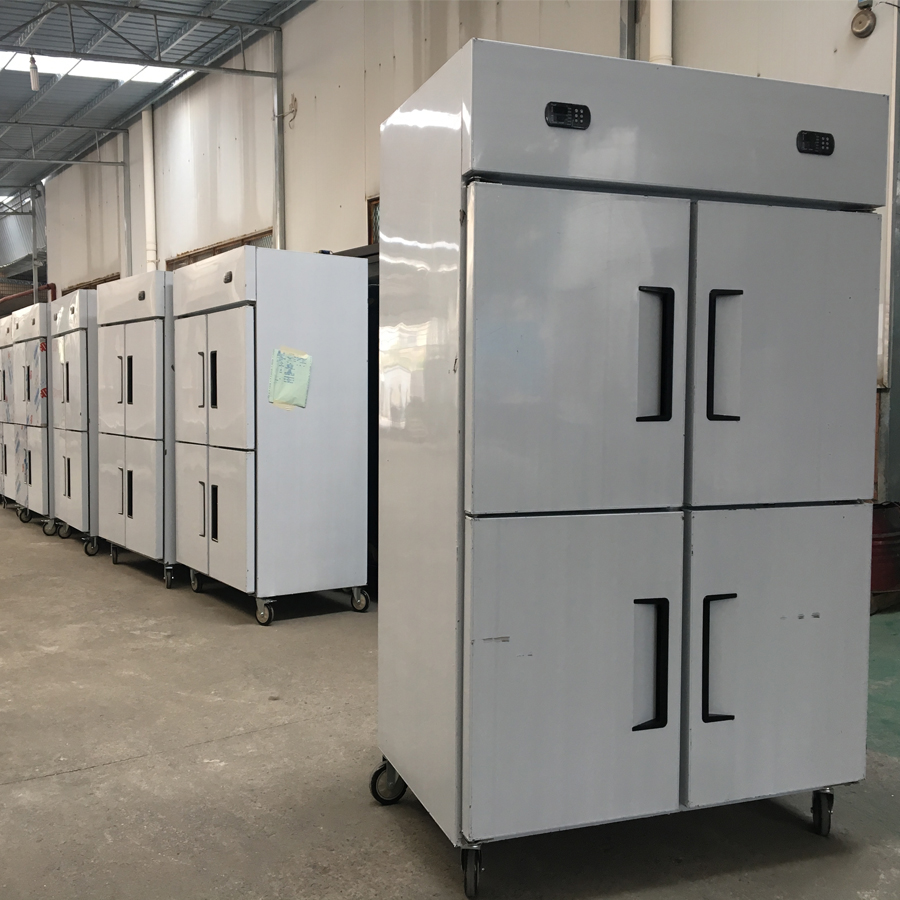
Lower Energy Consumption and Reduced Utility Bills
How low-energy commercial freezers cut electricity use by 30–50% vs. standard models
Commercial freezers designed for low energy consumption bring together several well-established efficiency technologies that cut down on power usage quite dramatically. The main components are things like high density polyurethane insulation rated at R-50 or better, compressors that adjust their speed based on actual cooling requirements at any given moment, and LED lights which produce around 90 percent less heat compared to old fashioned incandescent bulbs. For those looking at ENERGY STAR certified models, there's even more going on behind the scenes. These units come equipped with triple pane vacuum sealed glass doors plus defrost systems controlled by microprocessors that kick in only when absolutely necessary. According to industry reports from last year, all these features working together can slash energy consumption by anywhere between 30 to 50 percent compared to regular freezers. And don't forget about the high efficiency evaporator fans and specially molded door seals that help minimize energy loss during operation. All told, businesses could save somewhere in the ballpark of six hundred to twelve hundred dollars each year on their electricity bills just from running these upgraded freezers, though exact savings will vary depending on what kind of rates they're paying locally.
Real-world case study: Café chain saves $2,400/year per unit with ENERGY STAR® certified commercial freezer
A coffee shop chain with 24 locations decided to swap out their old freezers for new ones that have the ENERGY STAR certification throughout all their Midwest stores. The results were pretty impressive actually. Energy consumption dropped by almost half, going from around 8,900 kilowatt hours down to just 5,100 per year for each freezer unit. With electricity costing about 14 cents per kilowatt hour, that means each freezer saved roughly $2,400 every year. When you multiply that across all 38 freezers, the company ended up saving well over $91,000 total. And it wasn't just about saving money on the power bill either. These newer models proved much more reliable too, breaking down less often and keeping food at proper temperatures consistently without those annoying fluctuations we used to see with the older equipment.
| Performance Metric | Conventional Freezer | ENERGY STAR® Unit | Improvement |
|---|---|---|---|
| Temperature fluctuations | ±8° F | ±2° F | 75% reduction |
| Defrost cycles daily | 6–8 | 2–3 | 60% reduction |
| Service calls/year | 3.2 | 0.7 | 78% reduction |
The investment achieved full payback in 2.8 years through combined energy and maintenance savings (Food Service Technology Journal, 2023).
Stronger Long-Term ROI and Total Cost of Ownership
Typical 2–4 year payback period for premium-efficiency commercial freezers in high-use operations
Commercial freezers designed for efficiency tend to pay for themselves in just 2 to 4 years when used in busy places like restaurants, cafes, and convenience stores. The energy savings range from around 30% to 50% right after installation. These machines are built tough so they need fewer repairs over time. Plus, since they maintain better temperature control, components last longer without breaking down. For businesses where staff constantly open and close freezer doors throughout the day, these advantages really add up fast. The combination of lower electricity bills and reduced maintenance costs makes these freezers worth considering even though the initial price might seem higher at first glance.
10-year TCO analysis: balancing upfront cost against energy, maintenance, and spoilage savings
Total Cost of Ownership (TCO) provides the clearest lens for evaluating long-term value. Over a decade, efficient freezers outperform conventional models across four key cost drivers:
- Upfront purchase price: 15–20% higher for premium units
- Annual energy consumption: 30–50% lower—translating to $2,400+ in yearly utility savings
- Maintenance expenses: 25–35% lower due to robust components and stable operation
- Spoilage losses: Reduced by 15–18% through precise temperature control (±0.5° F), preserving product integrity
Cumulatively, these advantages offset the higher initial investment and deliver 15–30% lower 10-year TCO—making energy-efficient models the financially resilient choice for operations prioritizing sustainability and operational continuity.
Superior Food Preservation and Less Spoilage
Stable ultra-low temperature control minimizes freeze-thaw cycles—extending shelf life up to 22%
Keeping temperatures consistent matters a lot for food quality and safety. Modern low energy freezers can hold temperatures really steady, around plus or minus half a degree Fahrenheit. This helps avoid those damaging freeze thaw cycles that break down cell structures, speed up oxidation processes, and let microbes multiply. These freezers stop big ice crystals from forming which means they keep foods tasting better, holding onto their nutrients longer compared to regular freezers. Tests have found that this kind of temperature stability actually makes things last on shelves about 22% longer. Seafood, milk products, and fresh fruits vegetables benefit especially well from this. Less spoilage means restaurants and grocery stores throw away fewer items, don't need to rush order replacements so often, and ultimately protect their profits throughout the whole food delivery system.
Higher Reliability and Lower Maintenance Costs
Commercial freezers designed for high efficiency aren't just about saving energy. They're built to last longer and be easier to maintain too. The modular design means techs can swap out parts like compressors or condensers without tearing everything apart. This saves a lot of time during repairs, maybe around half the usual labor cost depending on what needs fixing. When the freezer runs at stable temperatures, it puts less strain on those rubber seals and insulation materials that tend to wear out fast. Plus, many modern models come with built-in diagnostic systems that catch problems early before they turn into big headaches. All these things together mean businesses spend significantly less money on yearly maintenance than with older models. Fewer unexpected breakdowns also means less wasted product when something goes wrong unexpectedly.
Sustainability Advantages and ESG Compliance Support
Carbon footprint reduction: 1.8–2.5 metric tons CO₂e avoided annually per commercial freezer
Commercial freezers that have earned the ENERGY STAR certification cut down on around 1.8 to maybe even 2.5 metric tons of carbon dioxide emissions every year. That's roughly the same as taking about half a regular gas powered car off the roads for a whole year. These reductions help companies stay ahead when it comes to those ever changing ESG reports they need to file, stuff like what CDP asks for, the standards set by SASB, and all that new EU regulation called CSRD. When businesses switch to these efficient freezers, they open doors to special green funding options too. Plus, their stakeholders start trusting them more because there are actual numbers behind their environmental claims. And let's face it, nobody wants surprises when regulations get stricter worldwide. Moving toward energy efficient refrigeration isn't simply about saving money on electricity anymore. It's become a smart business move that helps organizations grow responsibly while building something that can withstand whatever climate challenges come next.
FAQ
What are the main energy-saving features of low-energy commercial freezers?
The main energy-saving features include high density polyurethane insulation, speed-adjustable compressors, LED lighting, triple-pane vacuum-sealed glass doors, and defrost systems controlled by microprocessors.
How much money can businesses save by switching to low-energy commercial freezers?
Businesses can save between $600 to $1,200 annually on electricity bills per freezer, depending on local energy rates. In a specific case study, a café chain saved $2,400 per year per unit.
What is the typical payback period for premium-efficiency commercial freezers?
The typical payback period is between 2 to 4 years, especially in high-use environments like restaurants and convenience stores.
What are the long-term financial benefits of using energy-efficient commercial freezers?
Over a decade, these freezers offer lower total cost of ownership due to reduced energy consumption, lower maintenance costs, and minimized spoilage losses.
How do energy-efficient freezers contribute to sustainability goals?
Energy-efficient freezers can reduce a company's carbon footprint by 1.8 to 2.5 metric tons CO₂e annually per unit, helping meet ESG compliance and offering green funding opportunities.
Table of Contents
- Lower Energy Consumption and Reduced Utility Bills
- Stronger Long-Term ROI and Total Cost of Ownership
- Superior Food Preservation and Less Spoilage
- Higher Reliability and Lower Maintenance Costs
- Sustainability Advantages and ESG Compliance Support
-
FAQ
- What are the main energy-saving features of low-energy commercial freezers?
- How much money can businesses save by switching to low-energy commercial freezers?
- What is the typical payback period for premium-efficiency commercial freezers?
- What are the long-term financial benefits of using energy-efficient commercial freezers?
- How do energy-efficient freezers contribute to sustainability goals?