EN
EN
Commercial Freezer Types and Spatial Optimization
Upright, Reach-In, and Blast Freezers: Matching Configuration to Throughput and Footprint Needs
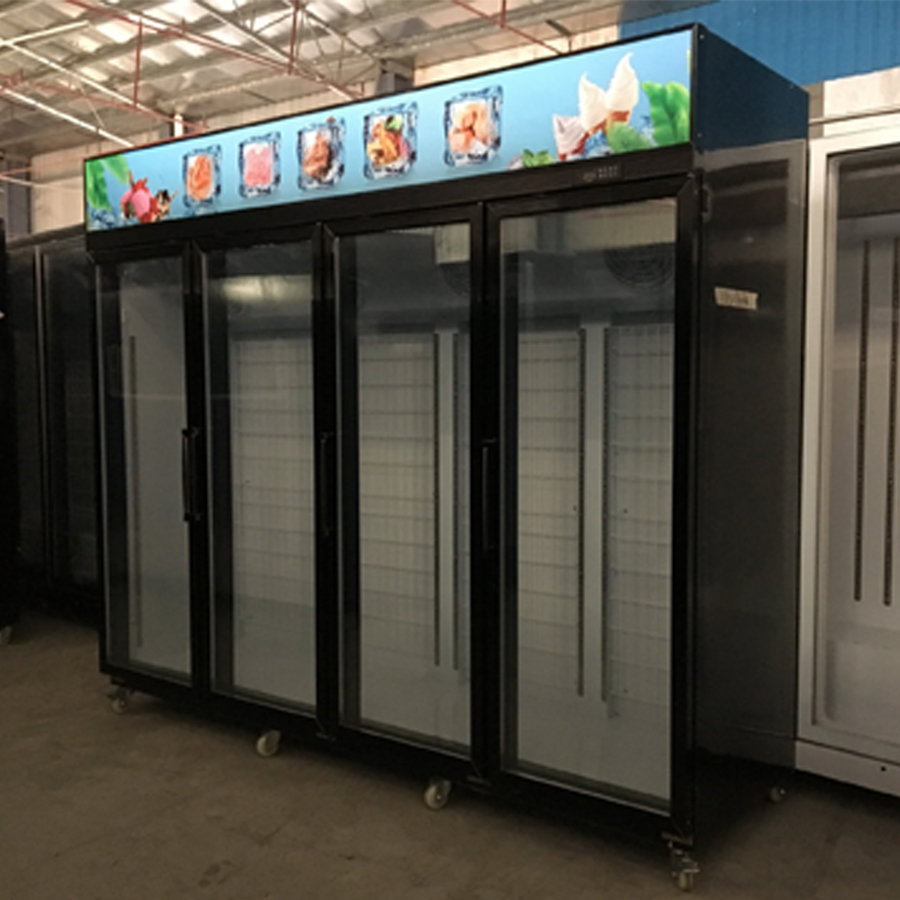
Choosing the right commercial freezer makes all the difference when it comes to how much stuff fits inside and how smoothly operations run day to day. Upright freezers stand around 65 to 85 inches tall and are great for places where floor space is tight. These models come with adjustable steel shelves that let staff organize different products however they need. Busy restaurant kitchens usually go for reach-in freezers with three to six doors since they get opened so frequently throughout service hours. Even with constant door activity, these freezers keep temperatures steady at what matters most. When speed counts, like keeping seafood fresh or stopping prepared dishes from spoiling, blast freezers drop temps down to minus 18 degrees Celsius in just 90 minutes. This quick cooling prevents those big ice crystals from forming that can ruin food textures. According to Food Logistics magazine from last year, about 62 percent of distribution centers moving over 500 pallets each day mix things up by combining upright freezers for variety with blast tunnels for fast processing. And in cramped kitchen spaces, sliding doors save valuable room since they don't require the usual 24 inch clearance space. Plus, those epoxy coated shelves last way longer than regular ones because they resist corrosion after countless freeze-thaw cycles.
Real-World Impact: Multi-Door Upright Freezers in Distribution Centers
Upright freezers with multiple doors (usually between 4 and 8) help organize inventory into separate sections for things like fruits and veggies, meats, and desserts. This setup cuts down on how far workers have to walk around warehouses when picking items, which makes their job easier and more accurate. One company in the Midwest saved about 30 percent on energy bills after switching from old chest freezers to newer upright models with LED lights and compressors that adjust speed based on demand. The change also meant they could store 38% more pallets in the same space, so they didn't need to spend $2 million expanding their facility. Some advanced models come with digital features too, including thermal imaging sensors that spot temperature problems 40% quicker than regular checks do. These sensors stop products from partially thawing out, which saves companies around $740,000 every year according to research from Ponemon Institute back in 2023. Putting these freezers close to where trucks load and unload goods helps speed things up even more, cutting about 19 minutes off each shipment's processing time.
Precision Temperature Control and Product Integrity
Maintaining ±0.5°C Stability to Prevent Thaw-Refreeze Cycles and Extend Shelf Life
Keeping temperatures just right stops those harmful freeze-thaw cycles that mess up food quality when ice crystals grow out of control. When we keep things stable around half a degree Celsius up or down, the cells inside frozen foods stay intact. This means better texture, more nutrients hanging around, and sometimes even extending shelf life by about 30%. The latest digital thermostats along with sensors spread throughout different zones let us watch what's happening constantly and tweak cooling as needed. Cold chain studies show something interesting too: for wetter products such as fish and pre-made dinners, maintaining consistent temps cuts down on dripping after thawing by nearly 20%. Plus, there's less chance of freezer burn ruining appearance and dropping market prices, all without needing extra packaging or fixing damaged goods later on.
Evidence-Based Insight: -23°C Consistency Reduces Microbial Load by 22% (FDA 2023)
Keeping things consistently cold at -23°C rather than just hitting those standard temperature numbers actually makes a real difference for food safety. Studies from the FDA show that this colder setting cuts down on microbes by about 22% when compared to what most places stick with at -18°C. When we talk about keeping such stable temperatures, it basically stops enzymes from working properly in dangerous bacteria like Listeria and Salmonella, particularly important for meats and other protein-heavy foods. Most commercial freezers reach these temperatures using special refrigeration systems called cascades along with doors that have really good insulation to keep the cold air in. What happens? Foods stay safe longer. We're talking around 8 to 12% extra time before they start going bad. That means less waste, fewer recalls, and customers continue trusting our brands because their food stays fresh longer than expected.
Workflow Integration: FIFO, Shelving, and Digital Inventory Management
Adjustable Shelving + Smart Labeling Boosts Order Picking Speed by 37%
Getting workflow right in commercial freezers really depends on matching how things are physically arranged with what digital tools can offer. For frozen products, sticking to First-In-First-Out rules isn't optional at all because even small temperature changes can cause spoilage problems. Shelves that adjust to different box sizes and pallet heights help make better use of space vertically. Combine this with RFID tags that show where stuff is, what batch it came from, and when it expires, and workers don't need to scan manually or hunt around for items anymore. According to Foodservice Technology Review from 2022, these systems cut down picking times by about 37 percent and reduce misplaced items by nearly 30%. Inventory management software in the cloud takes care of FIFO automatically too, sending warnings when stock gets old or close to expiry dates. What happens then? Doors stay open less time, temperatures stay stable, less staff effort is needed, and profit margins get protected better overall.
Commercial Freezer ROI: Higher Capacity, Lower Waste, Stronger Margins
Commercial freezers today offer businesses real money savings in three main ways. For starters, newer models are designed better so they can hold 27 to 42 percent more stuff than old ones. That means restaurants can buy in bigger quantities when prices are good and cut down on delivery trips. Then there's the temperature control aspect. These modern freezers keep things at just right temperatures, plus or minus half a degree Celsius, which cuts food waste by around 14 to 19 percent each year. Less wasted food equals lower trash bills and fewer replacements needed. The third benefit comes from how everything works together. Shelves that follow FIFO rules and systems that track inventory in real time save staff about 30 percent of their working hours. All these improvements turn what was once just another expense into something that actually makes money for operators. According to a study from the National Restaurant Association back in 2023, many eateries saw their profit margins go up between 12 and 18 percent after switching to these advanced freezers within just 18 months. When food stays fresh longer and staff spend less time managing inventory, the bottom line gets healthier month after month.
FAQ
What is the benefit of using upright freezers in tight spaces? Upright freezers save floor space with their height and adjustable steel shelves, allowing efficient storage customization.
Why are blast freezers preferred for certain food types? Blast freezers quickly lower temperatures to prevent large ice crystal formation, preserving texture and quality in foods like seafood and prepared dishes.
How do multi-door upright freezers improve efficiency in distribution centers? They help segregate inventory by type, reduce worker travel time for item picking, and can cut energy costs significantly when compared to older models.
Why is precision temperature control important in commercial freezers? It prevents freeze-thaw cycles that degrade food quality, ensures better retention of nutrients, and extends shelf life.
How does maintaining a consistent temperature of -23°C benefit food safety? It reduces microbial load significantly, extending the safe storage period of frozen foods and maintaining optimal safety standards.