EN
EN
Precise Temperature Control and Food Quality Preservation
How Precise Temperature Control Preserves Food Quality
Freezers that hit temperatures within a tight range of plus or minus 0.5 degrees Fahrenheit actually cut down on bacterial growth by around 60 to 80 percent when compared to those fluctuating by three degrees either way according to USDA findings from last year. When meat stays consistently cold at about negative point four degrees, enzymes break down much slower than normal, keeping the meat looking fresh for weeks longer while maintaining its texture. Seafood storage has strict rules too. The FDA mandates that all commercial seafood freezers stay at four degrees below zero or colder because at these temps, ice crystals form slowly enough that they don't tear apart cells inside fish flesh when it thaws later.
Impact of Refrigeration on Food Quality and Shelf Life
When kept at around 35 degrees Fahrenheit, milk typically remains good for about 16 days which is roughly twice as long compared to when stored at warmer temperatures like 45 degrees. Leafy vegetables also last longer under these conditions too, wilting approximately 35 percent slower if the fridge maintains high humidity levels around 95%. Refrigeration technology has advanced quite a bit lately with many models now featuring separate cooling compartments. These newer units can keep dairy products safely frozen between minus five to positive five degrees while simultaneously preserving fruits and vegetables at optimal temperatures ranging from 34 to 38 degrees. The result? A significant drop in contamination issues since different foods aren't mixing together anymore, cutting down risk factors by almost all counts according to industry standards.
Case Study: Temperature Fluctuations and Spoilage in Retail Environments
A 2023 analysis of 42 supermarkets found that stores using non-certified freezers experienced:
- 22% higher weekly product loss, averaging $1,200 in waste per store
- Four times more FDA violations due to temperature excursions
- 19% slower checkout speeds from frequent stock rotations
In contrast, units with less than 1°F variance reduced annual produce shrinkage by $18,000 per location.
Trends in Digital Monitoring and Smart Thermostat Integration
Around two thirds of food retailers have started implementing IoT enabled sensors these days. These devices give immediate notifications when refrigerator doors stay open past 45 seconds, warn about potential compressor problems almost two full days ahead of time, and maintain digital records meeting FDA regulations like 21 CFR Part 11 requirements. What makes them really valuable is their ability to cut down on wasted electricity by somewhere between 12% and 18%. They do this by adjusting defrost cycles based on how people actually interact with the equipment throughout daily operations rather than following fixed schedules regardless of usage levels.
Compliance with Food Safety Standards (NSF/ANSI 7) and Retail Certification Requirements
Importance of Certification in Commercial Refrigeration
The NSF/ANSI 7 certification basically sets the standard for keeping commercial refrigeration safe. Equipment that gets this certification has to pass through rigorous tests by independent labs looking at things like how well it maintains proper temperatures, what kind of materials are used inside, and whether bacteria can grow on surfaces over time. According to recent data from the FDA Food Code released in 2023, stores that don't have certified units actually run about 43% greater chance of having contaminated products. That's not just numbers on paper either. When customers see those certification labels, they feel more confident their food is being kept safely, which ultimately protects everyone's health in the long run.
Meeting Compliance with Health Department Regulations
Eighty-nine percent of U.S. health departments now require NSF/ANSI 7 compliance during inspections. Certified freezers streamline adherence by pre-validating key requirements:
- Seal integrity prevents ambient air infiltration and temperature swings
- Nonporous surfaces support FDA-approved sanitation protocols
- Automatic alarms detect deviations beyond ±2°F
Retailers using certified units report 67% fewer violations in health audits compared to those relying on non-compliant equipment.
Controversy Analysis: Non-Certified vs. NSF-Certified Commercial Freezers in Retail Audits
Although non-certified freezers cost 15–20% less upfront, their long-term drawbacks outweigh initial savings. A 2023 audit of 200 grocery stores revealed:
| Metric | NSF-Certified Freezers | Non-Certified Freezers |
|---|---|---|
| Audit Pass Rate | 98% | 61% |
| Average Violation Fees | $0 | $2,400/yr |
| Equipment Lifespan | 12–15 years | 6–8 years |
Regulators increasingly issue conditional approvals requiring replacement of non-certified units within 90 days, creating avoidable operational disruptions.
Energy Efficiency, Durability, and Long-Term Cost Savings
Long-Term Cost Savings via Reduced Energy Consumption
ENERGY STAR-certified commercial freezers use 15–20% less energy than standard models (Department of Energy [DOE], 2023), delivering $540–$720 in annual savings for a typical retail unit. Over a 10–15-year lifespan, these savings allow businesses to recoup the initial investment in 3–5 years through lower utility costs alone.
Durability and Long-Term Reliability of Commercial Freezers
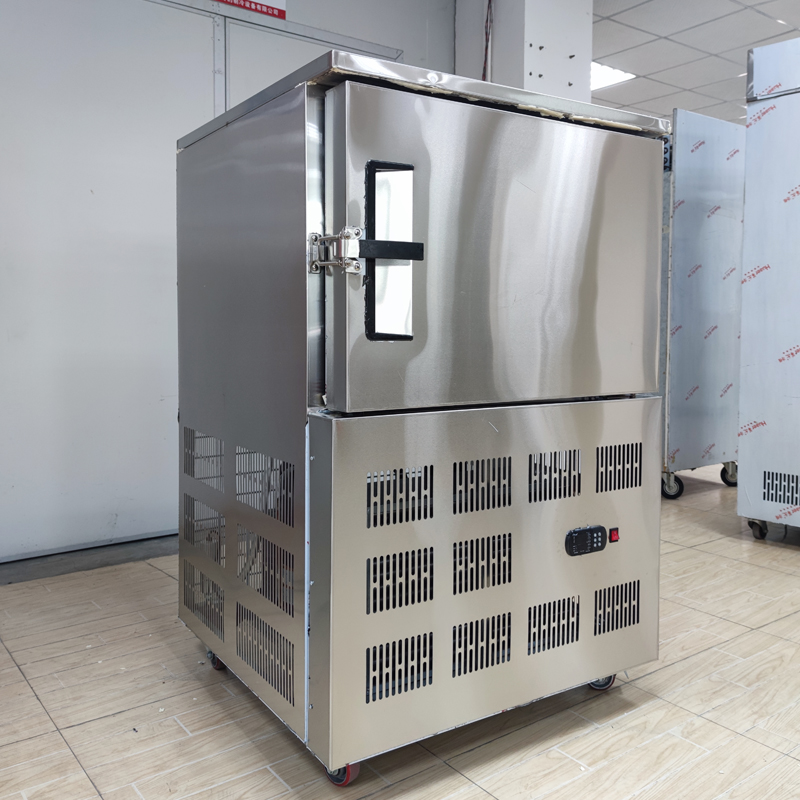
Commercial-grade stainless steel exteriors and dual-evaporator systems enhance durability and maintain consistent temperatures under heavy use. Units with UL-certified components experience 42% fewer repairs in their first decade compared to uncertified alternatives.
Data Point: Average Energy Savings of Certified Units vs. Standard Models (DOE, 2023)
| Metric | Certified Units | Standard Models |
|---|---|---|
| Annual Energy Use | 4,200 kWh | 5,100 kWh |
| 10-Year Energy Cost* | $27,300 | $33,150 |
| Maintenance Frequency | 0.8 repairs/yr | 1.7 repairs/yr |
| *Based on $0.65/kWh industrial electricity rates |
Retailers investing in certified freezers align with energy regulations while securing predictable operating expenses—essential for profitable perishable inventory management.
Reducing Food Waste Through Consistent Freezer Performance
How inconsistent cooling leads to localized product degradation
When temperatures swing around inside storage units, they basically create little pockets where conditions go beyond what's considered safe for keeping things frozen properly (somewhere between minus point four degrees Fahrenheit all the way down to fifteen below zero). These problem spots tend to form right next to doorways most often, and when they do, bad stuff starts happening fast. Ice crystals begin forming inside protein structures while fruits and veggies start turning brown because enzymes get activated too early. According to some studies done at Cornell, food goes bad about 18 percent faster in freezers that don't have those fancy digital thermostats installed. And guess what? Supermarkets are losing anywhere from seven to twelve percent of their frozen stock simply because these temperature issues aren't being caught in time throughout the supply chain.
Strategy: Inventory management aligned with freezer performance data
NSF-certified freezers equipped with IoT sensors deliver detailed performance analytics, enabling retailers to map thermal stability across storage zones. Leading chains like Kroger and ALDI use this data to:
- Place short-shelf-life items (e.g., pre-cut vegetables, plant-based meats) in areas with <0.5°F variance
- Schedule stock rotation during compressor recovery periods
- Automate replenishment when door access exceeds 12 openings per hour
This approach reduced premature thawing incidents by 34% in a 2024 FMI Grocery case study while maintaining full FDA compliance.
Improving Operational Productivity and Retail Workflow
Walk-in coolers and freezers in retail settings: Design impact on workflow
Optimized freezer layouts reduce staff movement by 18% in high-traffic environments, according to a 2024 retail operations analysis. Units with 270-degree glass doors eliminate blind spots during restocking, while dedicated grab-and-go sections minimize congestion near checkouts. Vertical merchandising improves product visibility, helping customers find items 22% faster than with traditional horizontal designs.
How certified commercial freezers improve staff efficiency
NSF-certified door mechanisms require 43% less force to open than standard models, reducing physical strain during frequent access. Integrated digital inventory trackers alert teams about low stock levels 2.1 hours earlier than manual checks, preventing 15% of out-of-stock events. Voice-command temperature controls save employees 8–12 minutes per shift previously spent navigating complex interfaces.
FAQs
What is NSF/ANSI 7 certification?
NSF/ANSI 7 certification is a safety standard for commercial refrigeration that ensures units maintain proper temperatures, safe materials, and surface sanitization to prevent bacterial growth.
Why is temperature control important in food preservation?
Precise temperature control prevents bacterial growth and enzyme activity, prolonging food freshness and reducing spoilage.
How do IoT sensors improve refrigeration?
IoT sensors provide real-time monitoring, alerting when issues occur and enhancing energy efficiency through adaptive defrost cycles.
What are the benefits of ENERGY STAR-certified freezers?
ENERGY STAR-certified freezers use less energy, reducing operational costs over time and contributing to environmental sustainability.
How can retailers reduce food waste with technology?
By integrating IoT-enabled sensors and maintaining consistent cooling temperatures, retailers can effectively reduce premature food spoilage.
Table of Contents
- Precise Temperature Control and Food Quality Preservation
- Compliance with Food Safety Standards (NSF/ANSI 7) and Retail Certification Requirements
- Energy Efficiency, Durability, and Long-Term Cost Savings
- Reducing Food Waste Through Consistent Freezer Performance
- Improving Operational Productivity and Retail Workflow
- FAQs