EN
EN

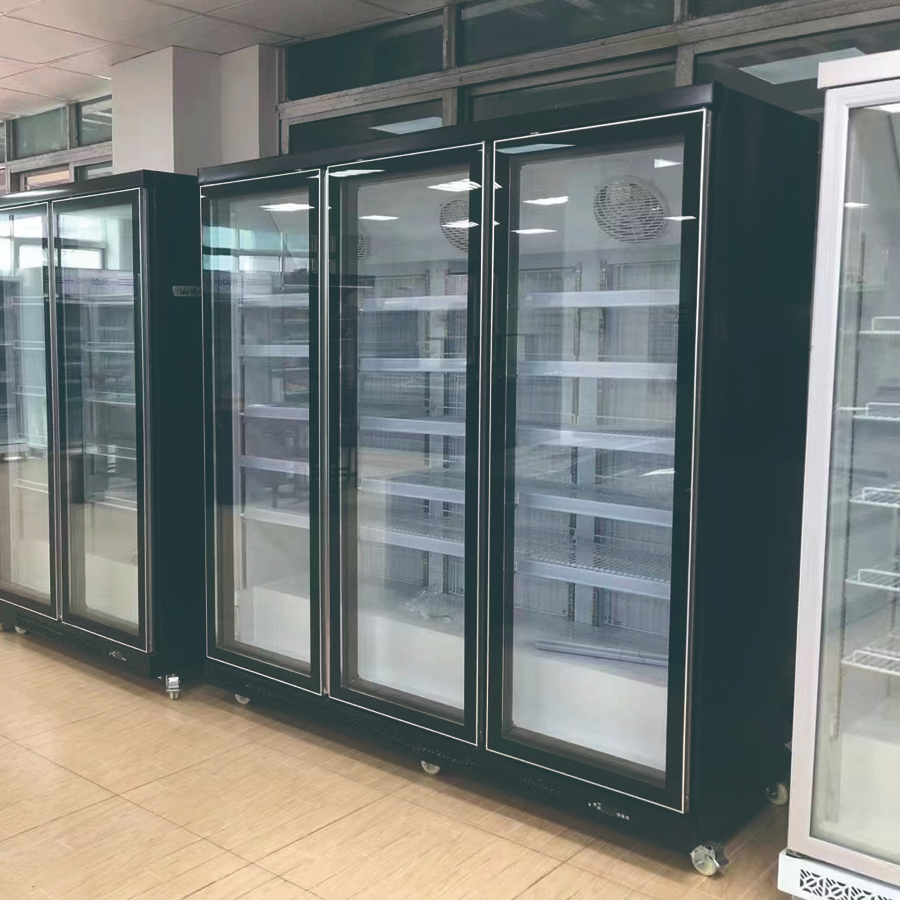
High Failure Rates in Standard Commercial Freezers: A Costly Problem
Most standard commercial freezers end up needing around two to three repairs every year because their compressors give out, door seals fail, or the defrost system acts up according to Food Service Equipment Journal findings from last year. These kinds of problems account for about seventy percent of all surprise repair bills in restaurant kitchens. When it comes to fixing just the compressor itself, expect to pay anywhere between twelve hundred and three thousand five hundred dollars each time something goes wrong. Cheaper freezer models built with thin steel cabinets and poor quality insulation don't stand up well over time either. They tend to break down much quicker than their pricier counterparts, particularly when placed in humid kitchen environments where moisture builds up constantly. This accelerated deterioration means higher long term costs for businesses relying on these budget friendly appliances.
Build Quality and Component Longevity: How Durable Design Reduces Repairs
Premium commercial freezers incorporate three durability-enhancing features:
- Stainless steel interiors: Resist corrosion from frequent cleaning chemicals
- Industrial-grade compressors: Last 45% longer than standard units
- Triple-sealed gaskets: Reduce frost buildup by 60% compared to single-seal designs
These upgrades lower annual maintenance costs by $900–$1,400 per unit through fewer part replacements and reduced labor. Modular designs also allow targeted repairs without full system shutdowns, maintaining food safety during service.
Case Study: Corrosion-Resistant, Energy-Efficient Commercial Freezers in Real-World Use
A 28-store supermarket chain cut refrigeration maintenance costs by 38% after upgrading to marine-grade stainless steel freezers with smart diagnostics. Key outcomes over 18 months:
| Metric | Standard Units | Durable Units |
|---|---|---|
| Annual Repairs | 4.2 | 1.7 |
| Energy Use/Unit | 5,200 kWh | 3,900 kWh |
| Defrost Cycle Issues | 73% | 12% |
The corrosion-resistant coating extended evaporator coil life by 8 years, eliminating $28,000/year in replacement costs across the chain.
Industry Trend: Shift Toward Modular, Long-Life Commercial Refrigeration Systems
53% of food service operators now prioritize modular freezer systems that support component-level upgrades over full replacements (National Restaurant Association, 2024). This strategy reduces lifecycle costs by 25–40% through:
- Swappable cooling modules that maintain -10°F temperatures during repairs
- Universal rail systems enabling quick shelving reconfigurations
- Cloud-connected sensors providing real-time compressor health analytics
Leading manufacturers now offer 10-year warranties on stainless steel cabinets—up from the traditional 3–5 years—reflecting greater confidence in long-term durability.
Preventive Maintenance: Extending Lifespan of Commercial Freezers
Scheduled Maintenance and Its Impact on System Reliability
Proactive maintenance reduces repair costs by 34% compared to reactive servicing (Food Service Equipment Journal). Quarterly inspections prevent degradation by:
- Identifying worn door seals before air leaks increase compressor workload
- Detecting early refrigerant loss to avoid energy efficiency drops of 20% or more
- Cleaning condenser coils monthly to prevent overheating
Facilities with scheduled plans experience 63% fewer emergency service calls than those relying on breakdown repairs.
Monthly Commercial Freezer Maintenance Checklist for Optimal Performance
Follow this 5-step routine to maintain performance and warranty compliance:
- Coil Cleaning: Remove dust from evaporator/condenser coils (cuts energy use by 9–15%)
- Gasket Inspection: Test seals using the paper slip method—replace if resistance is less than 0.25 N
- Temperature Calibration: Verify ±1°F accuracy with NIST-certified thermometers
- Drain Line Clearance: Use enzymatic cleaner monthly to prevent ice blockages
- Defrost Cycle Verification: Confirm 4–6 cycles daily during off-peak hours
Facilities implementing this checklist report an average 22-month extension in compressor lifespan.
Proactive Diagnostics: Using Smart Sensors and Monitoring to Prevent Failures
Modern freezers integrate IoT sensors that monitor key parameters:
| Parameter | Failure Warning Threshold | Intervention Window |
|---|---|---|
| Compressor Amp Draw | ±15% Baseline | 48–72 Hours |
| Evaporator Temp Swing | >4°F Variance | 7 Days |
| Door Open Duration | >12 Sec Average | Immediate |
Cloud-connected systems alert technicians when readings trend toward failure, allowing intervention during planned maintenance. Facilities using predictive diagnostics achieve 89% first-visit repair resolution versus 52% in reactive scenarios.
Routine Care Practices That Prevent Costly Commercial Freezer Repairs
Cleaning Evaporator Coils and Preventing Frost Buildup to Reduce Compressor Strain
Regular cleaning of condenser and evaporator coils should happen roughly every three to six months depending on environment conditions. Recent research from 2023 shows even a small amount of dust buildup matters a lot for system performance. Just 0.12 inches of dirt can make compressors run nearly 18% longer than normal, which speeds up component wear over time. When cleaning these parts, always go gentle with either a soft brush or vacuum equipped with proper coil attachments to avoid bending those delicate aluminum fins. Frost buildup is another big concern worth watching closely. Let ice accumulate past a quarter inch and problems quickly follow. Ice-clogged coils actually cause around seven out of ten commercial freezer breakdowns in restaurants and other food service operations according to industry reports. Keeping an eye on these details makes all the difference in equipment longevity.
Inspecting Door Gaskets and Seals to Eliminate Air Leaks
Old gaskets are responsible for around 34% of all wasted energy in commercial freezers when looking at thermal imaging reports. Want to check if yours are still doing their job? Try the classic dollar bill test once a month. Just slide a bill into the door seam and give it a gentle tug. When it pulls right out without resistance, time to get new seals installed. And don't forget to rub some food safe silicone lubricant on those rubber parts every three months or so. This helps keep them flexible even when temperatures drop below freezing, which is exactly what we want for our equipment to last longer and run efficiently.
Early Detection of Coil Damage Through Regular System Checks
Conduct weekly visual inspections of evaporator coils for warning signs:
| Defect Type | Financial Impact | Detection Method |
|---|---|---|
| Micro-cracks | $800+ compressor repair | UV leak detection kits |
| Bent fins | 12–15% efficiency loss | Thermal camera scans |
| Corrosion | 50% faster system failure | pH testing strips |
Facilities with structured coil inspections reduced unexpected repairs by 40% over two years (ASHRAE 2023 maintenance report).
Smart Operational Habits to Enhance Commercial Freezer Durability
Minimizing Door Openings to Maintain Stable Internal Temperatures
Opening a cold storage door for just 10 seconds means it takes around 45 minutes to get back down to the ideal temperature of -18°C or so (-0.4°F), as reported by ENERGY STAR's latest cold storage findings from 2023. When we limit how often these doors are opened, the compressors actually run about 17 to maybe even 23 percent less according to AHRI research from last year, plus there's less need for those annoying defrost cycles. Foodservice businesses have found something interesting too: when staff members go through proper training on gathering ingredients all at once rather than making multiple trips, they end up opening those doors roughly 60-65% fewer times throughout the day. Makes sense really, since every time someone walks in and out, they're letting warm air rush in.
Ensuring Proper Door Closure and Seal Integrity During Daily Use
Improper closure and degraded seals account for 98% of commercial freezer efficiency losses. Conduct monthly gap tests using the dollar bill method—if there’s no resistance when pulling, replace the seal. Facilities with quarterly hinge lubrication report 81% fewer door-related service calls (RSI 2023 Facility Management Report).
Optimizing Defrost Cycles Based on Actual Usage Patterns
Systems that adapt defrost based on door usage records and humidity readings cut down on coil ice accumulation around 34 percent better than those running on set schedules. Research published in the latest Cold Chain Optimization Study shows that when defrost cycles match what happens seasonally, there's about 29% fewer problems with evaporator motors breaking down, all without compromising NSF food safety requirements. Before messing with any factory defaults though, it really pays to check what the equipment maker recommends first. Their specs know best for the specific model being used.
Maximizing Warranty Benefits Through Consistent Maintenance
How Routine Maintenance Extends Warranty Coverage and Cuts Out-of-Pocket Costs
Keeping commercial freezers well maintained isn't just good practice, it actually makes those warranty documents worth something when repairs are needed. According to a recent industry report from last year, about two thirds of all warranty claim denials happened because businesses couldn't show proper maintenance logs. Most equipment makers these days want to see documented proof that regular checks have been done according to schedule. When facility managers match their cleaning schedules and inspection practices with what's written in the warranty agreement, they stay eligible for coverage on both parts and labor costs. Plus, this approach tends to cut down how often breakdowns happen in the first place, saving money over time.
Documenting Preventive Maintenance to Qualify for Manufacturer Support
Digital record-keeping ensures compliance with evolving warranty requirements. Leading manufacturers mandate logs of evaporator coil cleanings, seal replacements, and compressor diagnostics. A 2024 case study showed facilities using cloud-based tracking resolved warranty claims 40% faster than those using paper records.
Understanding Warranty Terms to Fully Leverage Commercial Freezer Protection
Warranty terms often include overlooked conditions—53% of businesses miss clauses requiring OEM-certified technicians for compressor repairs or refrigerant work. Reviewing coverage limits, excluded parts, and labor reimbursement rates prevents surprise costs. Emerging "performance-based" warranties now offer extended protection for units meeting specific maintenance benchmarks.
FAQ
Why do standard commercial freezers have high failure rates?
Standard commercial freezers often experience issues with compressors, door seals, and defrost systems, leading to frequent repairs. Cheaper models are more susceptible to breakdown due to thin steel cabinets and poor insulation, especially in humid environments.
How do durable commercial freezers reduce repair costs?
Durable freezers feature stainless steel interiors, industrial-grade compressors, and triple-sealed gaskets that reduce corrosion and component failures, thereby lowering annual maintenance costs by up to $1,400 per unit.
What are the benefits of modular refrigeration systems?
Modular systems support component-level upgrades and repairs without full replacements, minimizing lifecycle costs by 25-40% with features like swappable cooling modules and cloud-connected sensors.
How does preventive maintenance extend the lifespan of commercial freezers?
Scheduled inspections identify potential issues early, reducing reactive repairs and emergency service calls by focusing on maintaining door seals, refrigerant levels, and clean condenser coils.
How does documenting maintenance affect warranty benefits?
Proper documentation ensures eligibility for manufacturer warranty coverage by demonstrating adherence to maintenance schedules, allowing access to benefits for parts and labor costs.
Table of Contents
- High Failure Rates in Standard Commercial Freezers: A Costly Problem
- Build Quality and Component Longevity: How Durable Design Reduces Repairs
- Case Study: Corrosion-Resistant, Energy-Efficient Commercial Freezers in Real-World Use
- Industry Trend: Shift Toward Modular, Long-Life Commercial Refrigeration Systems
- Preventive Maintenance: Extending Lifespan of Commercial Freezers
- Routine Care Practices That Prevent Costly Commercial Freezer Repairs
- Smart Operational Habits to Enhance Commercial Freezer Durability
- Maximizing Warranty Benefits Through Consistent Maintenance
-
FAQ
- Why do standard commercial freezers have high failure rates?
- How do durable commercial freezers reduce repair costs?
- What are the benefits of modular refrigeration systems?
- How does preventive maintenance extend the lifespan of commercial freezers?
- How does documenting maintenance affect warranty benefits?