EN
EN
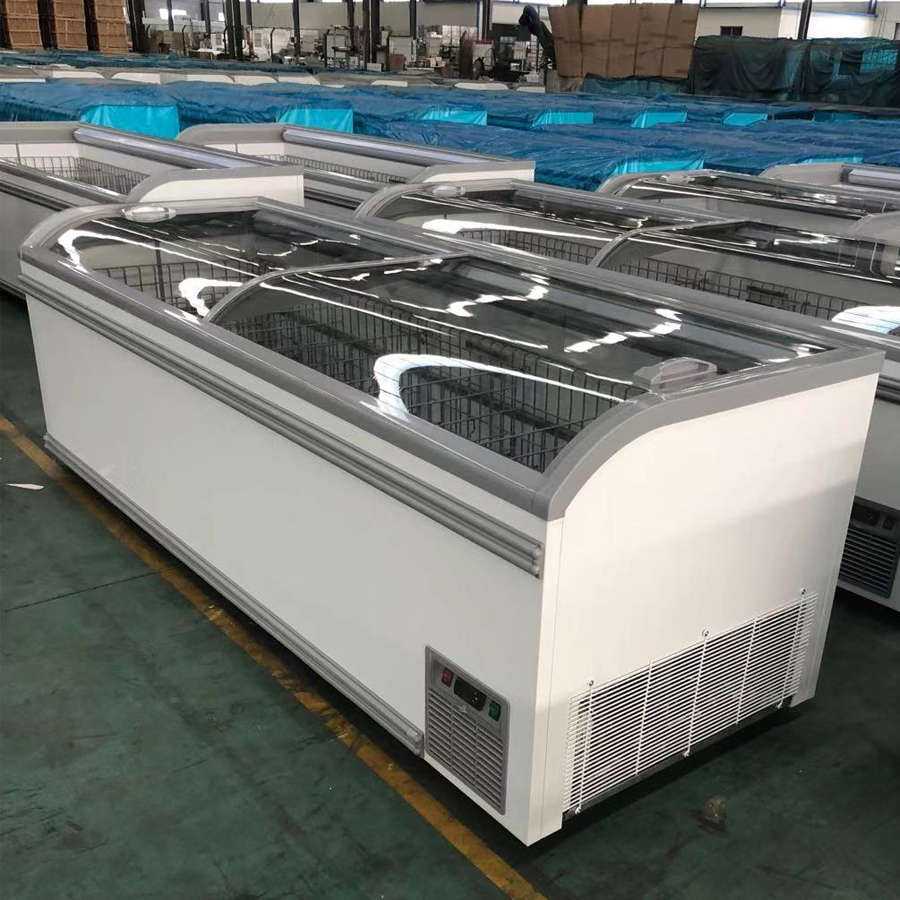
Understanding the energy efficiency of ice production equipment
Ice freezers today are getting much better at saving energy thanks to several key improvements. First off, they have these variable speed compressors that basically match their output to what's actually needed at any given moment. Then there are those smart defrost cycles that only kick in when there's real ice build up, not just on some fixed schedule. And let's not forget about the evaporator coils which have been redesigned to transfer heat faster. All these upgrades together cut down on wasted energy while the freezer isn't actively making ice by around 20% give or take according to recent tests from ENERGY STAR. For folks running facilities, it really pays to look for units with at least four inches of insulation and airflow somewhere between 300 to 400 cubic feet per minute. This helps keep things cold efficiently without putting too much strain on the system components.
How high-efficiency ice machines reduce energy consumption by up to 40%
Top manufacturers are increasingly adopting closed loop water systems which manage to recycle around 94% of the water they take in. Many also integrate hybrid cooling methods that mix both air and water chilled condensation for better efficiency. These setups become even more effective when combined with brushless DC fan motors. The result? Power consumption drops down to between 1.2 and 1.6 kilowatt hours for every 100 pounds of ice made, which represents nearly a 40% cut compared to older equipment. Looking at real world results, a recent survey found that businesses across 127 different commercial kitchens saved approximately $1,380 each year on their ice freezers simply by switching over to those certified by ENERGY STAR standards.
Total cost of ownership: Balancing initial cost vs. long-term savings in ice freezer selection
| Cost Factor | Standard Model | High-Efficiency Model |
|---|---|---|
| Purchase Price | $7,200 | $9,800 |
| Annual Energy Cost | $1,450 | $890 |
| 10-Year Maintenance | $5,600 | $3,100 |
| 10-Year TCO | $25,100 | $18,700 |
The $6,400 difference in total cost of ownership justifies the higher upfront investment, with a typical return on investment achieved within 3.2 years for moderate-usage operations.
Lifecycle cost savings backed by ENERGY STAR data
Ice freezers that carry certification labels typically show around a 16 to 1 return on investment when looking at their 15 year lifespan. These units save about 29 thousand kilowatt hours of electricity plus roughly 130 thousand gallons of water each time they're used. Restaurant owners who have switched to these systems tell us they cut down on overall utility bills by somewhere between 11 and 14 percent. Take for instance a chain of all night diners that managed to save nearly $28,500 every year across eighteen different locations once they standardized their equipment. And interestingly enough, restaurants that keep up with regular maintenance find their machines last about 40% longer than average, which means fewer replacements needed and more money saved over time.
Core Technologies That Improve Ice Freezer Efficiency
Impact of High-Efficiency Compressors on Ice Freezer Energy Consumption
Ice freezers these days are saving a lot of energy thanks to better compressor tech. The new rotary compressors cut down on power usage somewhere around 25 to maybe even 30 percent when compared with old fashioned piston ones according to AHRI from 2023. These modern systems run at different speeds depending on what the freezer actually needs for cooling. What makes all this matter? Well, during those big ice making periods when freezers really crank up, they consume about two thirds of their entire monthly electricity bill. So cutting back on those sudden power surges adds up to real money saved over time for businesses running multiple units.
Condensation System Design and Its Role in Lowering Energy Costs
Condensation systems that have been optimized can boost thermal transfer efficiency anywhere from 18 to 22 percent thanks to some pretty clever innovations. First off, there are these microchannel aluminum coils which actually create more surface area for heat to escape. Then we've got electronically controlled fans that know when to ramp up or dial back depending on what the surrounding temperature is doing. And let's not forget about those newer refrigerants that are better for the environment but also pack a punch when it comes to latent heat capacity. All these improvements together mean freezers stay at the right temperature consistently, something that was harder to achieve before. Plus, they consume around 15 to 20 percent less power compared to models from just a few years ago, making them both efficient and cost effective over time.
Evaporator and Ice-Making Design Improvements in Modern Ice Freezers
Recent advancements in ice-forming technology address two critical efficiency factors:
| Design Feature | Energy Impact |
|---|---|
| Vertical plate evaporators | 12% faster freeze cycles |
| Laser-drilled water jets | 9% reduction in water waste |
| Modular ice mold shapes | 14% lower defrost energy needs |
These innovations collectively reduce ice freezer runtime by 20–25 minutes per production cycle, delivering measurable savings in high-volume environments.
Air-Cooled vs. Water-Cooled Ice Freezer Systems: Comparing Energy Efficiency
Air-cooled systems dominate modern installations due to their 35–40% lower water consumption, though water-cooled units remain advantageous in specific scenarios:
| Efficiency Factor | Air-Cooled | Water-Cooled |
|---|---|---|
| Annual Energy Use | 12,500 kWh | 10,800 kWh |
| Water Consumption | 120 gal/day | 650 gal/day |
| Maintenance Costs | $280/year | $410/year |
While water-cooled ice freezers show 14% better thermal efficiency in controlled environments (ASHRAE 2023 benchmarks), 78% of foodservice operators prefer air-cooled models for simplified maintenance and drought-resistant operation.
Smart Controls and Monitoring for Minimizing Energy Waste
Intelligent Control Systems That Optimize Ice Freezer Operation
Today's ice freezers come equipped with smart control systems that know exactly when to crank up or slow down ice making depending on what's actually needed right now. These clever systems cut down on wasted electricity because they stop running when nobody needs ice and figure out the best times for defrosting. Take a look at how it works practically speaking - when those big storage bins get filled to capacity, built-in sensors kick in and shut off production completely. This simple but effective feature can save around 30 percent in energy costs over older models that just run on fixed schedules regardless of actual usage patterns.
Temperature Monitoring for Consistent Ice Freezer Performance
Good temperature control keeps things just right for freezing but stops them from getting too cold, something that wastes a lot of energy. The newer systems actually have two separate thermostats watching different parts at once – one checks the air around it, another looks after the ice itself. This setup helps freeze stuff faster without making the ice bad quality. Older machines used to waste quite a bit of power because they'd keep refreezing things when temperatures dipped slightly. Some studies show these old models could be wasting anywhere between 15 to 20 percent of their total energy on unnecessary refreeze cycles alone.
Tracking Energy Consumption in Commercial Kitchens With Smart Sensors
Wireless energy monitors provide granular visibility into power usage patterns. Operators receive alerts for anomalies like compressor overrides or refrigerant leaks, enabling proactive maintenance that preserves efficiency. Combined with intelligent controls and temperature monitoring, these systems help commercial kitchens reduce ice-related energy costs by an average of 25–40% annually.
Best Practices for Maintaining Ice Freezer Efficiency
Regular maintenance and cleaning to sustain optimal performance
Systematic upkeep reduces ice freezer energy consumption by up to 15% (ENERGY STAR 2023) and prevents costly repairs. Three critical tasks should be performed monthly:
- Coil cleaning: Dust accumulation forces compressors to work 20% harder
- Seal inspections: Damaged gaskets leak 30% more cold air, increasing cooling demands
- Defrost cycle monitoring: Ice buildup over ¼" increases defrost energy needs by 40%
Operators who schedule bi-annual professional servicing report 35% longer equipment lifespans compared to reactive approaches.
Energy-saving practices for ice freezers in high-volume commercial settings
High-traffic kitchens maximize efficiency through operational adjustments:
- Schedule ice production during off-peak electrical rate hours (10 PM – 6 AM)
- Use load-sensing technology to avoid overproduction—units adjusting to demand save 18 kWh daily
- Maintain 4–6" clearance around ventilation grilles, as restricted airflow decreases heat exchange efficiency by 25%
When combined with ambient temperature control (optimal range: 65–75°F), these practices help chain restaurants lower annual ice-related energy costs by $1,200–$3,800 per unit.
Real-World Savings: Case Studies from Commercial Restaurants
Ice freezer energy consumption before and after equipment upgrades
A regional restaurant chain reduced energy consumption by 30% after replacing 12 outdated ice freezers with ENERGY STAR-certified models. Pre-upgrade units averaged 5.8 kWh daily; post-installation, this dropped to 4.0 kWh. The $28,000 investment delivered $18,000 in annual savings, achieving payback in 19 months through reduced utility and maintenance costs.
Cost savings from reduced energy usage: A diner case study
A 24-hour diner cut ice-related energy costs by 40% after upgrading to a modular ice freezer system. Smart sensors now adjust production to peak demand, reducing daily operation from 18 to 11 hours. This $12,500 retrofit saves $4,200 annually in electricity while maintaining supply during weekend rushes.
Impact of efficient ice freezer operation on utility bills in chain restaurants
One major casual dining brand saw their utility costs drop by nearly a quarter at 25 different restaurants once they rolled out several efficiency upgrades. They swapped out old compressors first, which cut energy use by around 18%. Then came regular coil maintenance that boosted efficiency another 5%, plus installation of those fancy load balancing controllers that saved them 12% on peak demand charges. All told, these changes are saving about $120k every year, which amounts to roughly 2.7% of what they make in profit. But there's more to it than just numbers on a spreadsheet. Restaurants need consistent ice supply for food prep and keeping things safe during inspections, so having reliable systems in place makes all the difference when serving customers day after day.
FAQ
What are variable speed compressors?
Variable speed compressors adjust their output to match the needs of the ice freezer at any given time, reducing unnecessary energy consumption.
How do closed loop water systems work?
Closed loop water systems recycle about 94% of the water used, enhancing efficiency by dramatically reducing freshwater needs during ice production.
Why is ENERGY STAR certification important for ice freezers?
ENERGY STAR certification indicates that a product meets energy efficiency standards set by the U.S. Environmental Protection Agency, often leading to significant cost savings.
How can regular maintenance extend the lifespan of ice freezers?
Regular maintenance, such as coil cleaning and seal inspections, reduces energy consumption and prevents costly repairs, effectively prolonging equipment lifespan by up to 35%.
What is the advantage of modular ice mold shapes?
Modular ice mold shapes offer lower defrost energy needs, reducing runtime and saving energy during production cycles.
Table of Contents
- Understanding the energy efficiency of ice production equipment
- How high-efficiency ice machines reduce energy consumption by up to 40%
- Total cost of ownership: Balancing initial cost vs. long-term savings in ice freezer selection
- Lifecycle cost savings backed by ENERGY STAR data
- Core Technologies That Improve Ice Freezer Efficiency
- Smart Controls and Monitoring for Minimizing Energy Waste
- Best Practices for Maintaining Ice Freezer Efficiency
- Real-World Savings: Case Studies from Commercial Restaurants
- FAQ