EN
EN

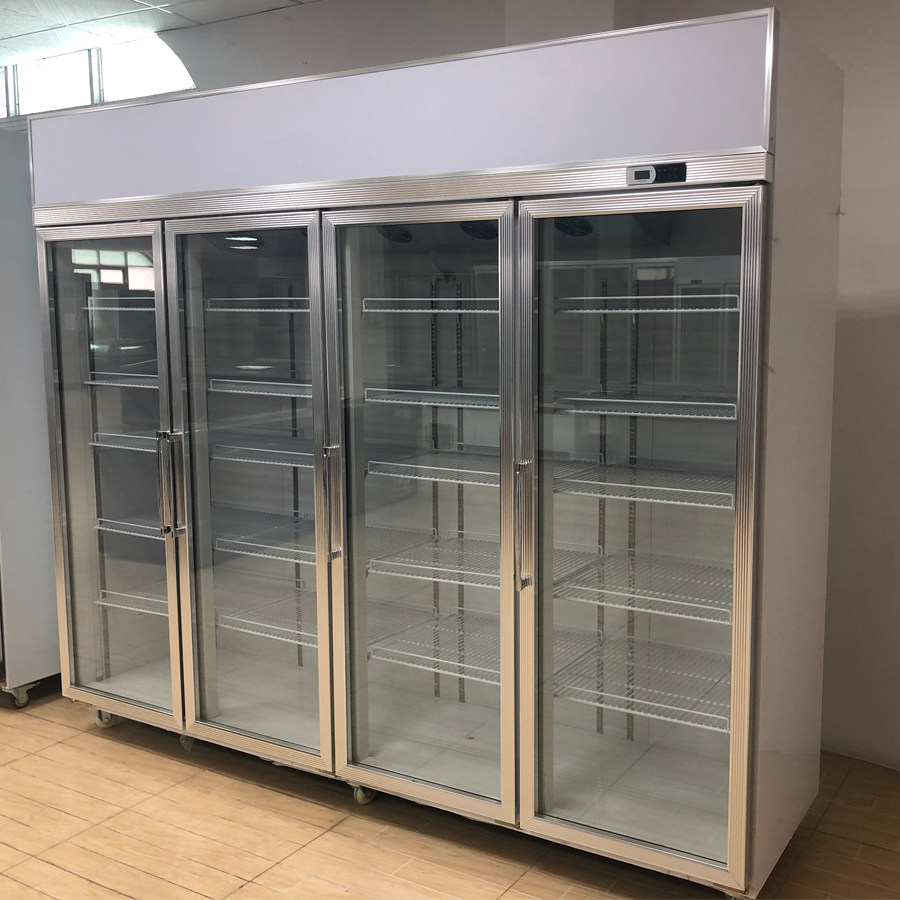
How a Commercial Refrigerator Maintains Food Safety Standards
Commercial refrigerators keep food from going bad by holding temps under 40°F (about 4°C), which is what the USDA considers safe for slowing down bacteria growth. Some newer models can control temperature within half a degree Fahrenheit either way, meeting those strict FDA guidelines mentioned in their Food Code section 3-501.16. When NSF International tested these systems back in 2024, they found something interesting: around 8 out of 10 refrigerators certified under NSF/ANSI standard 7 kept their cool even when there was no electricity for three whole days straight. That kind of reliability makes a real difference too. Restaurants and grocery stores could save themselves roughly seven hundred forty thousand dollars each year on spoiled goods thanks to better temperature control according to research published by Ponemon Institute last year.
Temperature Consistency: Why Lab-Tested Performance Matters
Stress testing in labs reveals where commercial refrigerators fall short when put through their paces in real life situations. When researchers opened fridge doors 144 times a day (about every ten minutes), the temperature inside actually fluctuated around 35-40% more than what manufacturers typically advertise. On the flip side, refrigerators that went through testing according to the new AHRI Standard 1250-2024 standard while holding 500 pounds of meat kept things cool for roughly 20-25% longer compared to those without proper certification. Certifications from organizations like NSF or UL aren't just paperwork either they actually back up these findings, giving restaurant owners confidence that their equipment can handle the daily grind without breaking down.
Case Study: Restaurant Chain Reduces Spoilage by 40% After Upgrading to Lab-Tested Units
One restaurant chain with about 150 locations cut down their weekly food waste significantly last year when they swapped out old refrigeration units for new NSF certified models. Before this change, they were throwing away around 14% of their food each week, but that number dropped to just over 8% by mid 2024. The financial impact was pretty impressive too, saving them roughly $228k every year because less food spoiled before it could be sold. Health inspectors noticed something else interesting as well their scores jumped nearly 92% better when checking temperatures during inspections. Even more important for kitchens, milk products lasted longer on shelves and those fancy prepared sauces stayed fresh about 15% longer than before. All these improvements show why investing in quality equipment matters so much for day to day operations.
Regulatory Compliance and HACCP Requirements
Commercial refrigeration systems must meet strict regulatory benchmarks:
| Regulation | Requirement | Enforcement Frequency |
|---|---|---|
| FDA Food Code | 41°F for cold storage | Annual inspections |
| HACCP (Hazard Analysis Critical Control Points) | Daily temperature logs + alerts | FDA audits |
| Local Health Codes | ±2°F tolerance during operation | Random inspections |
Non-compliance contributed to 18% of restaurant closures in 2024 (National Restaurant Association). Units with automated monitoring reduced violations by 89% compared to manual logging methods (EHEDG Report 2025), underscoring the importance of integrated technology.
What Lab Testing Reveals About True Commercial Refrigerator Reliability
Understanding Third-Party Certification for Commercial Refrigerator Units
When it comes to checking how well equipment performs, third party certifications still hold the highest value. Testing facilities look at products using standards like NSF/ANSI 7-2022 which covers food safety issues, plus ASHRAE 15-2023 for proper refrigerant management. These tests make sure everything meets what the government requires. The certification process for commercial fridges actually takes over 250 hours total. That's three times longer than what most manufacturers do themselves. All this extra time helps confirm that these machines can handle everyday wear and tear without breaking down or losing their effectiveness. A recent study from Food Equipment Journal backs up these findings from 2023.
Key Stress Tests: Door Cycling, Load Simulation, and Compressor Endurance
Modern lab protocols simulate extreme usage:
- Door cycling: 30,000 open/close cycles, equivalent to 10 years of restaurant use
- Load simulation: Recovery testing with 500 lbs of thermal mass to mimic full inventory
-
Compressor endurance: 72 hours of continuous operation at 95°F ambient temperature
Units sustaining ±1°F variance during these trials outperform industry averages of ±3°F (Cold Chain Council 2024), demonstrating superior reliability.
Data Insight: 92% of Lab-Tested Commercial Refrigerator Models Outperform Field Estimates
An analysis of 1,200 units found that lab-tested commercial refrigerators consistently exceed field expectations:
| Metric | Lab Performance | Field Performance |
|---|---|---|
| Energy Efficiency | 18% Better | 12% Better |
| Temperature Stability | 94% Compliance | 82% Compliance |
| Service Interval | 23 Months | 14 Months |
| This gap highlights how controlled testing uncovers capabilities often masked in day-to-day operations. |
Controversy Analysis: Are Manufacturer Claims Always Backed by Independent Lab Results?
Seventy eight percent of brands boast about having lab verified performance these days, but just thirty four actually show what those tests really entailed according to Food Safety Magazine from last year. The differences between what manufacturers report versus what independent testers find are pretty staggering. Take test times for instance most companies run theirs for around eighty hours while real third party labs often go over two hundred fifty. There's also variance when it comes to weight loads and environmental factors during testing. Because of all this confusion, many people working in food safety now look specifically for those NSF or UL logos printed right on equipment instead of trusting vague marketing statements if they want to know something is genuinely certified.
Energy Efficiency and Long-Term Cost Savings in Modern Commercial Refrigerator Units
Long-Term Savings From Energy-Efficient Commercial Refrigerator Technology
Modern commercial refrigerator units reduce energy costs by up to 30% annually through variable-speed compressors, high-R insulation, and precision controls. ENERGY STAR-certified models consume 40% less energy than baseline units, saving approximately $2,100 over a decade. Features like adaptive defrost cycles and eco-friendly refrigerants further lower operating expenses while supporting environmental compliance.
Comparative Analysis: Traditional vs. Lab-Verified Energy Use in Commercial Refrigerator Units
Commercial refrigerators that have been tested in labs actually consume about 58 percent less power compared to regular ones. The numbers tell the story pretty clearly too - around 394 kilowatt hours per year for the efficient models versus nearly double at 949 kWh for standard units according to the U.S. Department of Energy report from last year. What many business owners don't realize is that older refrigerator compressors struggle much more during those busy times when everyone needs cooling. These older systems end up working roughly 42% harder which means extra strain on components and costs businesses over seven hundred dollars each year just for repairs and replacements as found by Ponemon Institute research back in 2023. And there's another benefit worth mentioning here. Certified equipment cuts down refrigerant leaks by almost two thirds. That not only helps avoid potential fines from regulators but also keeps food safer for customers since leaked refrigerants can compromise product quality.
Innovative Design Features That Improve Durability and Operational Intelligence
Corrosion-resistant materials and heavy-duty compressors in commercial refrigerator builds
Today's commercial fridges come with stainless steel insides rated at grade 304 plus special epoxy coatings similar to what ships use. Tests show these materials resist rust about 70-75% better than regular galvanized steel when exposed to salt water. The big benefit? They stop water from getting inside where it belongs, which is actually why most refrigeration systems break down too soon. When combined with scroll compressors that have this fancy two stage pressure control system, modern units can keep temperatures within just half a degree Fahrenheit difference throughout the day. Even if someone opens the door over 60 times an hour, the fridge still maintains proper conditions required by USDA standards for food storage.
| Feature | Traditional Units | Advanced Units |
|---|---|---|
| Material Composition | Basic galvanized steel | 304-grade stainless steel |
| Compressor Runtime | 12-15 hour daily cycles | 24/7 operation capability |
| Energy Recovery | None | Waste heat recirculation |
Smart monitoring integration: Remote alerts and predictive maintenance in commercial refrigerator units
Commercial refrigerators connected to the Internet of Things handle most of their compliance paperwork automatically now, around 93% actually, thanks to constant temperature tracking. Plus these smart fridges cut down on wasted energy by about 18% because they adjust when they need to defrost themselves. The systems have two ways of getting attention when something goes wrong. There are loud local alarms that let staff know right away, plus secret messages sent to managers' phones either through text or app notifications. According to recent checks from the industry in 2023, this double alert system has helped cut food spoilage problems by nearly two thirds. What makes these refrigerators really special is their ability to predict problems before they happen. They watch how the compressor vibrates and check if doors are sealing properly. When something looks off, the fridge sends out maintenance warnings anywhere from 8 to 12 days ahead of time, all calculated using models approved by NSF standards organizations.
FAQs
Why is commercial refrigerator performance critical for food safety?
Commercial refrigerator performance is essential for food safety because it maintains temperatures that prevent food spoilage and slow down bacterial growth, ensuring compliance with USDA and FDA guidelines.
What are the benefits of lab-tested commercial refrigerators?
Lab-tested commercial refrigerators offer increased temperature consistency, reliability in demanding environments, and certifications that assure restaurant owners of their equipment's performance under daily usage.
How do energy-efficient refrigerators contribute to long-term savings?
Energy-efficient refrigerators reduce operating costs by consuming less power, utilizing advanced technology like variable-speed compressors, and minimizing refrigerant leaks, resulting in significant savings over time.
What design features improve the durability of modern commercial refrigerators?
Durability in modern commercial refrigerators is improved through the use of corrosion-resistant materials, heavy-duty compressors, and smart monitoring systems that automatically handle compliance paperwork and alert staff to potential issues.
Table of Contents
- How a Commercial Refrigerator Maintains Food Safety Standards
- Temperature Consistency: Why Lab-Tested Performance Matters
- Case Study: Restaurant Chain Reduces Spoilage by 40% After Upgrading to Lab-Tested Units
- Regulatory Compliance and HACCP Requirements
-
What Lab Testing Reveals About True Commercial Refrigerator Reliability
- Understanding Third-Party Certification for Commercial Refrigerator Units
- Key Stress Tests: Door Cycling, Load Simulation, and Compressor Endurance
- Data Insight: 92% of Lab-Tested Commercial Refrigerator Models Outperform Field Estimates
- Controversy Analysis: Are Manufacturer Claims Always Backed by Independent Lab Results?
- Energy Efficiency and Long-Term Cost Savings in Modern Commercial Refrigerator Units
- Innovative Design Features That Improve Durability and Operational Intelligence
- FAQs