EN
EN

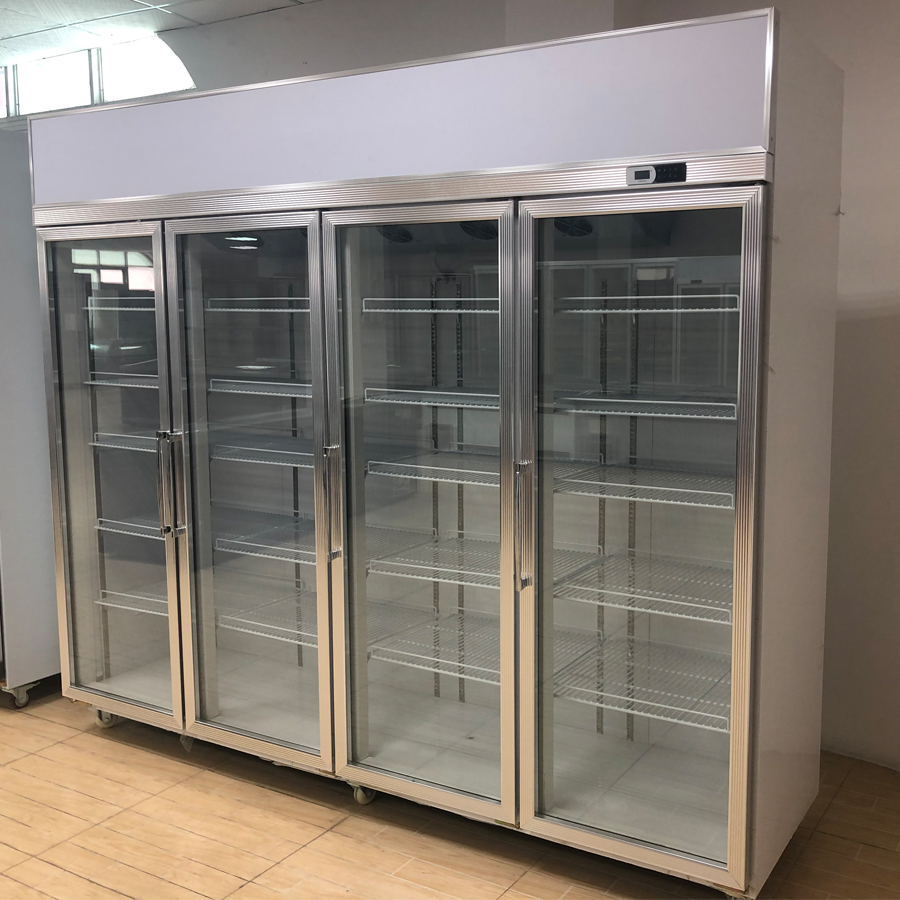
Variable Speed Compressor Technology for Adaptive Efficiency
How Inverter-Driven Compressors Optimize COP and Reduce Peak Load
Commercial fridge compressors with inverters can change their motor speeds based on what's actually needed for cooling right now, which cuts down on wasted energy compared to those old fixed-speed models that just keep starting and stopping. These systems use something called variable frequency drives (VFDs) to control how much power they put out, anywhere between 20% all the way up to 100%. They manage to keep temperatures inside really stable while getting better efficiency overall. The COP measure basically shows how good a system is at turning electricity into actual cooling power. According to some recent industry reports from 2023, this kind of smart adjustment can cut peak electricity usage by around half when demand spikes. That means lower bills too since utilities charge extra during these busy times. Traditional compressors either blast away at full power or stop completely, but inverter systems only take what they need, constantly tweaking their speed based on what sensors tell them about temperature changes inside the fridge.
Real-World ROI: Energy Savings and Payback in Mid-Sized Retail Installations
Grocery stores of medium size that switch to variable speed compressors tend to save between 35 and 45% on their energy bills when compared to old fixed-speed systems. This translates into around $8,000 to $12,000 saved each year for every 10-door refrigeration section according to recent studies from Energy Efficiency Case Studies 2024. Most businesses see their investment pay off within 18 to 30 months, often faster thanks to rebates offered by local utilities for reducing power usage during peak hours. Take one particular supermarket chain covering 15,000 square feet as an example they cut their refrigeration costs by 42% after upgrading 32 display cases. The return on investment came just 22 months later because not only did they save money on electricity but also spent less on repairs since the new system required fewer fixes. These kinds of savings really stand out in busy stores where doors constantly open and close throughout the day. Traditional systems waste tons of energy trying to keep up with all those door movements while wearing themselves out much quicker than needed.
High-Performance Insulation and Precision Airflow Design
Effective thermal management in commercial refrigerators hinges on two interdependent engineering advances: next-generation insulation and intelligently directed airflow.
VIPs and Optimized Polyurethane: Cutting Thermal Leakage in Commercial Refrigerator Cabinets
Vacuum Insulation Panels, or VIPs for short, have thermal conductivity ranging from about 0.004 to 0.007 W/mK. That's actually around five times better insulation performance compared to regular polyurethane foam which sits at around 0.022 W/mK. Combine these VIPs with some nano enhanced polyurethane and we see a pretty significant drop in cabinet heat transfer somewhere between 30 and 40 percent. What does that mean practically? Less work for compressors obviously since they run less often and don't have to work so hard. Real world testing indicates that this combination can slash yearly energy consumption by approximately 12 to 18 percent in those mid range temperature storage units. The investment pays itself back within just three years even though the materials cost more upfront. Makes sense when looking at long term savings really.
Dynamic Air Distribution Systems (e.g., 360° Chill) for Uniform Temperature Control
Systems such as the 360 degree Chill model employ advanced fluid dynamics calculations to tackle thermal stratification problems, making sure every shelf stays at roughly the same temperature. The setup includes fans that can adjust their speed plus vents that open and close based on need, keeping temperatures stable within half a degree Celsius. That kind of control matters a lot when storing things like fresh produce or medicine where even small fluctuations count. Getting this right means compressors don't have to work so hard anymore, cutting down how often they turn on and off by around 22 percent. Plus there's less frost building up on evaporators, which saves money because we spend about 15 to 20 percent less on defrosting costs each year.
Smart Controls and IoT Integration for Predictive Efficiency
ASHRAE-Compliant Remote Monitoring Reducing Downtime and Energy Waste
Commercial refrigerators are getting smarter thanks to ASHRAE compliant IoT platforms that bring predictive maintenance and adaptive control to the table. The whole system works because sensors are constantly checking on things like how well compressors are running, whether door seals are intact, and if temperatures stay stable throughout the day. All this info gets sent straight to cloud based analytics where it can be analyzed. When something goes off track even slightly, like when there's a consistent 0.5 degree Celsius temperature drift which often means trouble with evaporator coils, the system sends out warnings so technicians can fix problems before they become major issues. Businesses using this approach see around 45% less unexpected downtime compared to old school reactive maintenance methods. Plus, these smart systems stop those annoying energy spikes that happen when equipment tries to compensate for problems, such as the 30% extra power usage we've seen with refrigerators suffering from unnoticed door gasket leaks. Another bonus comes from humidity responsive defrost scheduling that makes everything run more efficiently. Facilities typically report saving between 15 to 20% on their refrigeration energy bills after implementing these technologies. And let's not forget about documentation requirements either. These platforms automatically create all the necessary records for food safety inspections, giving businesses peace of mind regarding regulations while keeping operations running smoothly.
Low-GWP Refrigerants: CO₂, Hydrocarbons, and the Transition Pathway
R744 Transcritical Systems in Medium-Temperature Commercial Refrigerator Applications
The tightening of global regulations regarding refrigerant greenhouse warming potential means that CO2 (R744) transcritical systems are becoming increasingly popular for refrigeration needs in the medium temperature range, typically between +2 degrees Celsius and +10 degrees Celsius. What makes R744 stand out? Well, it has absolutely no ozone depletion potential and boasts a Global Warming Potential rating of merely 1. This basically means there's almost no direct impact on our climate when compared to those old school HFC refrigerants we used before. Now, hydrocarbon options like propane (R290) do offer similarly low GWP numbers, but here's the catch they're highly flammable which creates safety concerns especially in places where stores are packed full of merchandise. That's why many retailers still hesitate to switch despite environmental benefits.
The latest R744 systems tackle those old efficiency problems we saw especially when temps get warmer outside. They do this using something called ejector tech along with multiple ejector racks that grab back some of that lost expansion energy and keep things stable under high pressure conditions. Research published in reputable journals shows these R744 units perform just as well if not better than traditional HFC systems during regular seasons for mid-range cooling needs. With regulations getting stricter across the globe pretty fast right now, the way R744 works in transcritical mode seems to be our best bet going forward for refrigeration setups that will meet standards both today and tomorrow without breaking the bank on upgrades later on.
FAQs
What is a variable speed compressor?
Variable speed compressors are equipped with inverter-driven technology allowing them to adjust motor speeds according to current cooling needs, improving energy efficiency.
Why are vacuum insulation panels preferred over regular foam?
VIPs offer superior thermal conductivity, approximately five times better than regular foam, significantly reducing heat transfer and compressor workload.
How does IoT integration benefit commercial refrigerators?
IoT platforms provide predictive maintenance and adaptive control, reducing downtime and optimizing energy consumption.
What are the concerns with hydrocarbon refrigerants?
Hydrocarbon refrigerants like propane are flammable, posing safety risks in dense retail environments despite their low GWP ratings.