EN
EN
Optimizing Visibility and Customer Engagement
Eye-Level Placement and Viewing Angle Science for Maximum Ice Product Appeal
Putting an ice merchandiser around eye level, somewhere between 4.5 and 5.5 feet off the ground, makes products much easier to spot. Studies suggest this position can boost visibility by about 35% when compared to those on the floor. The height also creates a comfortable viewing angle of roughly 10 to 15 degrees downward, which cuts down on glare and lets customers really see the ice crystals and intact packaging that signal fresh product. Research into how shoppers behave shows that items placed at eye level tend to get noticed about 78% more often, and this attention usually leads to more impulse buys. Keep rotating the stock so frost remains visible, and put those higher margin items right in the center where most eyes will naturally fall first.
Front-Access Design and Adjustable Bins to Improve User Interaction
Front loading setups cut down on physical effort by around 40% compared to those old top access models. With these systems, workers can grab what they need in one smooth motion without having to bend over or stretch awkwardly. The modular storage bins come with adjustable heights in 4 inch increments, so they work for all kinds of bag sizes from 5 pounds right up to 20 pounds. This keeps products visible at all times instead of getting buried under other items. Retailers report that this kind of setup saves about 22 seconds on each transaction, plus there are fewer dropped bags and spills happening during operations. According to some recent studies published by the Human Factors and Ergonomics Society back in 2023, stores implementing this design saw their customer return rate jump by roughly 31%. Makes sense really when thinking about how much easier shopping becomes for everyone involved.
| Feature | Performance Impact | Customer Benefit |
|---|---|---|
| Eye-Level Placement | +35% visibility | Effortless product discovery |
| 15° Viewing Angle | 78% engagement increase | Glare-free quality inspection |
| Front Access | 40% reduced physical strain | Single-step retrieval |
| Adjustable Bins | 22-second faster transaction speed | Customized bag size accommodation |
Strategic integration of these features transforms passive displays into conversion engines: every 10% improvement in accessibility yields a 17% higher ROI through reduced restocking labor and increased basket size.
Strategic Lighting for Ice Merchandiser Impact
High-Efficiency LED Illumination: Enhancing Ice Clarity and Reducing Energy Use
LED lights make a big difference when it comes to showing off ice properly. They give off bright even light that really brings out how clear and crystalline the ice looks these days, which tells customers it's fresh. Fluorescent bulbs just don't cut it though. Those old lights create all sorts of weird shadows and mess with colors so the ice doesn't look as good. According to some research from Food Retail Insights back in 2023, around three out of four shoppers actually think products look better quality when displayed under good lighting. Another plus is that LED lighting saves about half the energy compared to regular lighting options, something that matters a lot for freezers running nonstop day after day. Plus, these LED bulbs last forever basically, over 50 thousand hours worth of use, and work great even in super cold conditions. No more dealing with broken bulbs or constant maintenance headaches that come with older lighting systems.
Branded Lit Signage and Interior Glow to Strengthen Shelf Presence
Functional lighting is just the start when it comes to making products stand out on shelves. Branded LED signs and those nice ambient glows inside really catch attention. The customizable light panels can go either above or built right into display units themselves, showing off company logos and special offers where customers tend to stop and look. Along the shelves we also see these gentle LED strips creating that soft halo around ice packs which makes everything look more premium and easier to spot. When stores combine both types of lighting, they actually see about a 40-odd percent improvement in brand recognition according to some studies. And what's interesting? Retail locations implementing these systems notice people spending roughly 30% more time looking at displays. That extra time translates directly into more impulse buys for things like drinks and snack items nearby.
Refrigeration-Integrated Display Design
Glass Door vs. Open-Air Configurations: Balancing Cooling Efficiency, Frost Control, and Ice Accessibility
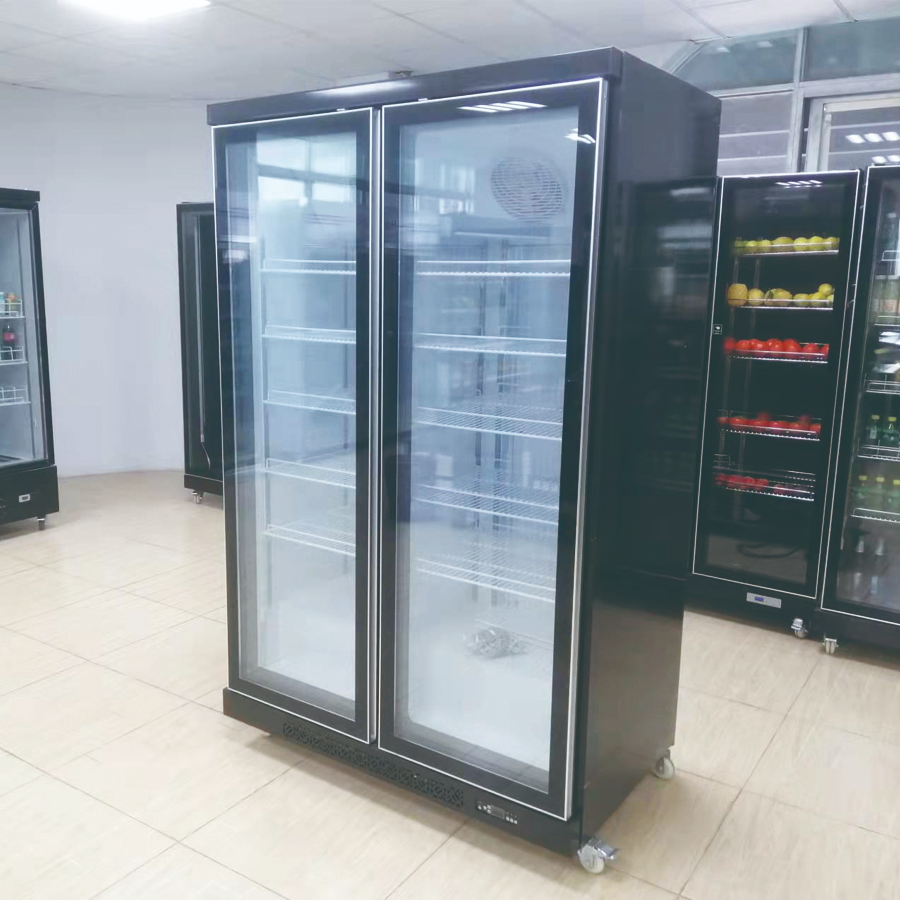
When deciding between glass door and open air designs, businesses need to consider how each option affects day to day operations and what customers actually experience. Glass door units keep their internal temps about 40 percent better compared to open models according to those ASHRAE numbers from last year. That translates into compressors running roughly half as much time too, which obviously saves on electricity costs while keeping products at proper storage conditions consistently. The open air versions do have their advantages though. They allow staff to grab items right away without opening doors first, making them great fits for places where fast service matters most rather than maintaining perfect temperature control all day long. Think convenience stores or burger joints where getting things out quickly beats having everything stored at exactly 40 degrees Fahrenheit.
Frost management is equally decisive:
| Feature | Glass-Door Units | Open-Air Units |
|---|---|---|
| Frost Accumulation | Minimal (sealed environment) | High (ambient humidity) |
| Defrost Frequency | Weekly | Daily |
| Accessibility | Requires door opening | Immediate reach-in |
Glass doors stop moisture from getting in, which means almost no frost forms on stored items. With open setups, staff have to manually defrost them every day just to keep things from sticking together and maintain visibility through the glass. This daily chore becomes really important in places with high humidity levels. Stores that switch to glass doors often find their cleaning crews spend around 70 percent less time on these tasks. Choosing what works best really comes down to balancing factors specific to each location: how much money they want to save on energy bills versus dealing with local weather patterns and how fast they need items accessible for customers.
Performance Outcomes: How Display Features Drive Ice Merchandiser ROI
When stores implement features designed for maximum visibility, they actually see real money coming back in. Take LED lighting for instance. These high efficiency lights cut down on electricity bills by about 30% compared to old fluorescent bulbs. Plus, products look better under them which makes a difference. We've seen ice sales jump by 32% in stores where coolers sit right at eye level next to registers. Then there's the dynamic pricing stuff. Stores using smart pricing software report around 14% more revenue overall. And those fancy stocking systems? They keep shelves stocked properly about 27% more often than traditional methods. All told, most businesses get their money back from upgrading merchandising equipment within just 18 months once they factor in both lower utility costs and extra sales. The Retail Tech Journal mentioned this finding in their 2023 report, but many store managers have already noticed similar results firsthand.
Combining good design with smart operations turns regular ice dispensers into money makers. The adjustable bins plus those glass doors keep things at just the right temperature and cut down on spilled product losses by around 22%. That means better margins overall. When stores also use real time inventory tracking, they save about 15% on restocking work and throw away less stuff. This matters a lot when summer hits and demand jumps up to 40% extra during heat waves. These displays not only attract more customers but also make running the store cheaper day to day. Merchants who optimize their ice displays see higher sales per customer while keeping costs under control. The bottom line? Smart design choices really do pay off in cold storage solutions.
Frequently Asked Questions (FAQ)
-
What is the optimal height for placing an ice merchandiser?
The optimal height is between 4.5 and 5.5 feet off the ground to enhance visibility and encourage impulse buys.
-
How does LED lighting improve ice merchandiser performance?
LED lighting enhances ice clarity, reduces energy consumption, saves on electricity costs, and lasts longer, reducing maintenance efforts.
-
What are the benefits of glass door units over open-air designs?
Glass door units offer better temperature control, minimize frost accumulation, and reduce defrosting frequency, but require door opening for access.
-
How can adjustable bins improve user interaction?
Adjustable bins accommodate various bag sizes and make product retrieval easier, reducing physical strain and transaction time.