EN
EN
Understanding the Flash Freezing Process and Its Impact on Nutrient Preservation
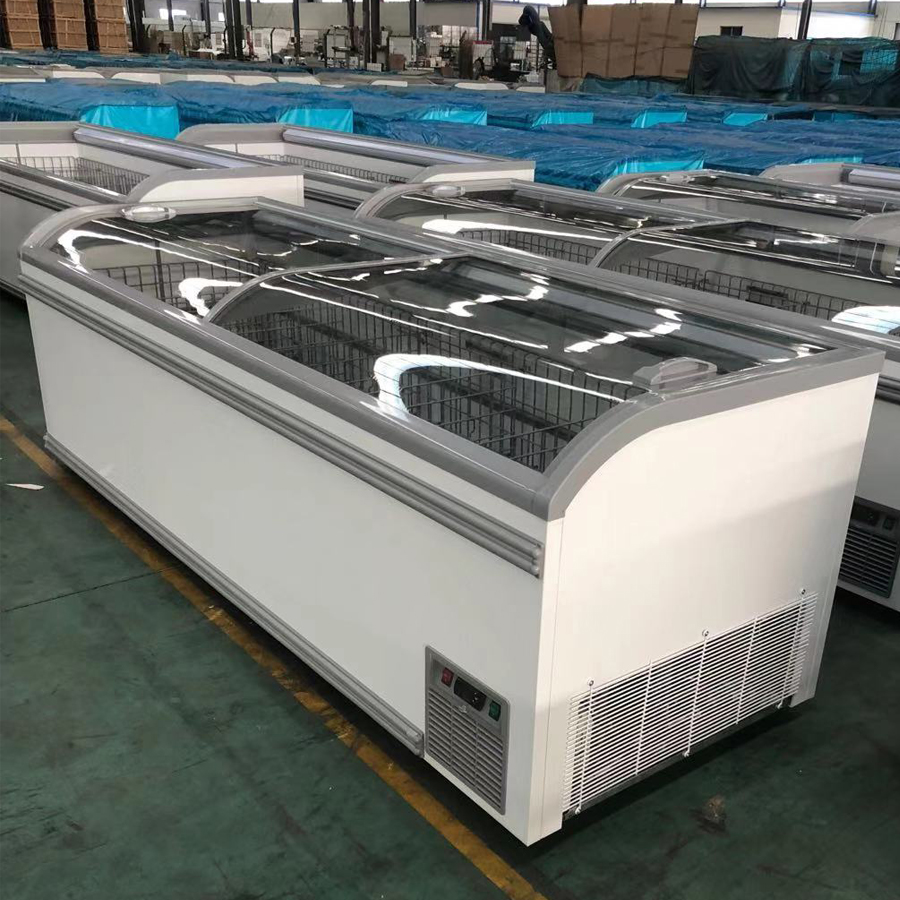
Flash freezers use ultra-low temperatures (below -40°F) to freeze food within minutes, forming ice crystals smaller than 50 microns. This rapid process preserves cellular structure and slows enzymatic activity, retaining 15–30% more heat-sensitive nutrients like vitamin C compared to conventional freezing.
What Is a Flash Freezer and How Does It Preserve Food Freshness?
Unlike standard freezers, flash freezers employ forced air or cryogenic cooling to reduce temperatures 75% faster. This speed minimizes moisture loss and inhibits bacterial growth, effectively locking in antioxidants such as lycopene and beta-carotene at their peak nutritional levels.
The Science of Rapid Freezing: Minimizing Ice Crystal Formation to Maintain Cellular Integrity
Slow freezing produces ice crystals up to 200 microns—large enough to rupture plant and animal cells. In contrast, flash freezing generates crystals under 50 microns, preserving cellular integrity and maintaining up to 92% of original moisture content, according to food engineering studies.
Why Fast Freezing Better Preserves Texture, Flavor, and Nutritional Content
Rapid freezing outperforms slow methods through three key mechanisms:
- Oxidation reduction: Slows lipid oxidation in seafood by 40%
- Enzyme inactivation: Halts 80% of enzymatic activity within 90 seconds
- Nutrient lockdown: Retains 95% of anthocyanins in berries, compared to 70% in slow-frozen samples
Flash Freezing vs. Conventional Freezing: A Comparative Analysis of Nutrient Retention
Key Differences Between Flash Freezing and Slow Freezing Methods
When flash freezing happens, food gets exposed to temps under -30 degrees Fahrenheit and turns solid within minutes instead of taking all day like regular freezing does. The fast drop in temperature stops those big ice crystals from forming, which is what typically happens during normal freezing methods. Those slow freezes let ice crystals grow about ten times bigger according to research published in the Journal of Food Engineering back in 2022. And why does this matter? Well, smaller ice crystals actually help preserve the integrity of food cells so when things thaw later on, there's less chance of nutrients escaping out into whatever liquid surrounds them after being frozen.
How Slower Freezing Accelerates Nutrient Degradation and Cell Damage
When food stays frozen for too long, enzymes keep working away and oxygen gets into the mix, which breaks down those delicate nutrients we all want to preserve. Take spinach as an example really quick here. Regularly frozen spinach tends to lose around 40 percent of its vitamin C after just two months in the freezer. But when they freeze it fast, like flash freezing, most of that vitamin C stays put at about 85%, so only about 15% disappears instead. Another thing happens too, when cells get damaged during freezing they start letting out water. That's why frozen veggies from the grocery store sometimes feel mushy or soft when we thaw them out later.
Evidence-Based Comparison: Vitamin C and Antioxidant Retention
Recent research highlights significant differences in nutrient retention:
| Nutrient | Flash-Frozen Retention | Conventional Frozen Retention |
|---|---|---|
| Vitamin C | 85–92% | 60–72% |
| Polyphenols | 88% | 68% |
| Folate | 90% | 75% |
A USDA-funded trial (2023) found flash-frozen berries maintained 20% higher antioxidant levels after six months than conventionally frozen ones. Similarly, Food Chemistry (2022) reported that rapidly frozen spinach preserved 35% more carotenoids, underscoring the method's effectiveness from harvest to consumption.
Nutrient Preservation in Fruits and Vegetables Through Flash Freezing and Pre-Treatment
Role of blanching and other pre-freezing treatments in locking in nutrients
Putting vegetables briefly into boiling water or steaming them stops those pesky enzymes that cause nutrients to break down over time. According to studies published somewhere around 2022 in what I think was called the Journal of Agricultural Chemistry, this simple process keeps about 90 percent of the vitamin C intact in green beans compared to when they're just frozen without any treatment first. The magic really happens though when we pair blanching with quick freezing at super cold temperatures like minus 40 degrees Fahrenheit. Not only does this combo lock in more nutrients, it also keeps the vibrant colors looking fresh and makes sure the beans don't turn mushy after being stored for months.
Case studies: Nutrient retention in flash-frozen spinach, broccoli, berries, and peaches
- Spinach: Maintains 84% of folate, compared to 67% with conventional freezing (USDA, 2023)
- Blueberries: Show 12% higher antioxidant levels after six months than fresh-stored counterparts
- Broccoli: Preserves 89% of glucosinolates, bioactive compounds linked to cancer prevention
These outcomes stem from rapid freezing's ability to halt post-harvest deterioration within minutes, minimizing oxidative damage and preserving phytonutrients.
How flash freezing slows post-harvest nutrient degradation in produce
When food gets frozen in less than five minutes through industrial methods, it stops those big ice crystals from tearing apart cell walls. What does this mean? Well, important water soluble stuff like B vitamins and polyphenols stay put instead of washing away when things thaw later. According to recent studies published in Food Preservation Review last year, fruits and vegetables that hit the freezer within just four hours after being picked actually keep their nutritional content about 20 to maybe even 35 percent better compared to produce that sits around longer before freezing. Makes sense really since fresh is always best when it comes to nutrition.
Maintaining Nutritional Quality in Meats and Seafood Using Flash Freezers
Preserving Protein Structure and Preventing Lipid Oxidation in Fish and Meat
When flash freezing drops temperatures below -18°C (0°F) really fast, it creates ice crystals that are about ten times tinier compared to regular freezing techniques. The result? Better preservation of muscle fibers, less moisture loss around 40% lower than standard methods, and significantly slower breakdown of fats in seafood products, roughly cutting lipid oxidation by almost 60%. For fish lovers out there, this kind of protection makes all the difference when keeping those valuable omega-3 fatty acids intact in popular catches like salmon and tuna. These nutrients tend to break down over time when frozen using conventional approaches, so getting them right from the start matters a lot for both taste and health benefits.
Commercial Applications: How the Seafood Industry Uses Flash Freezing to Ensure Freshness and Nutrition
Today's fishing boats have started using onboard flash freezers to get those catches processed within just two hours after they come out of the water. Research shows these freezers keep around 97 percent of the vitamin B12 intact in cod fillets and retain about 94 percent of selenium content in shrimp. When combined with vacuum sealing techniques, the whole setup really works wonders against freezer burn problems, reducing them by roughly three quarters. Storage times also jump from what used to be standard practice to anywhere between eight and twelve extra months. According to findings published in a recent food preservation study from 2023, seafood that goes through this flash freezing plus vacuum packing process keeps most of its nutritional value similar to when it was first caught, even after sitting in storage for eighteen months or so. This means distributors can ship seafood all around the world while still maintaining good quality standards.
Scientific Consensus: Are Flash-Frozen Foods as Nutritious as Fresh?
Meta-analysis of studies comparing nutritional value of fresh and frozen produce
A study from the Journal of Agricultural and Food Chemistry back in 2015 looked at eight different crops and discovered something interesting about flash freezing. The researchers found that fruits and vegetables preserved this way kept around 90 to even 110 percent of their vitamin E and magnesium levels for up to three months. More recent tests have also shown frozen broccoli actually has about 25% more riboflavin compared to fresh broccoli stored in the fridge after just five days. All these findings line up with a bigger picture painted by a 2021 review of 43 separate studies. This comprehensive look at the data basically says there's not much difference when it comes to vitamin C content, fiber levels, or minerals between good quality frozen produce and fresh stuff right out of the market.
Surprising findings: Higher vitamin levels in some flash-frozen fruits and vegetables
In certain cases, flash-frozen produce exceeds fresh equivalents in nutrient content. Frozen blueberries exhibit 15% higher antioxidant levels due to immediate enzyme deactivation. Peas retain 30% more vitamin C when flash-frozen within two hours of harvest, compared to fresh peas that lose nutrients during a typical 10-day supply chain journey.
Addressing consumer misconceptions about frozen food and nutritional quality
Many nutritionists actually consider freezing to be like hitting a pause button on food's nutritional clock. When fruits and vegetables get flash frozen right at their ripest point, they retain most of what makes them healthy. Fresh produce tells a different story though. Studies show these items can lose anywhere from 15 to 60 percent of their vitamin content while sitting around for weeks in trucks and grocery stores before reaching consumers. The magic happens when commercial freezers bring down temperatures to about minus 18 degrees Celsius pretty much instantly. These fast freezes create tiny ice crystals instead of big ones that damage cells, so the food stays intact. Most research indicates that this process keeps around 95% of the original nutrients intact. Sometimes frozen foods even have better nutritional profiles than what we find on supermarket shelves labeled as "fresh" but has been traveling for ages.
FAQ
What is flash freezing?
Flash freezing is a process that involves rapidly lowering the temperature of food to below -40°F to form small ice crystals and quick-freeze the products, preserving nutrients and quality.
How does flash freezing preserve nutrients better than conventional freezing?
By reducing temperatures rapidly, flash freezing prevents large ice crystals from forming, maintaining cellular integrity and retaining nutrients like vitamin C and antioxidants better compared to conventional methods.
Why are flash-frozen foods sometimes more nutritious than fresh foods?
Flash frozen foods are preserved at their peak ripeness minimizing nutrient loss, while fresh foods may lose nutrients during shipping and storage.
How is flash freezing used in the seafood industry?
The seafood industry utilizes flash freezing onboard ships to preserve the catch's freshness and nutrient content, along with vacuum sealing to extend shelf life and prevent freezer burn.
What role does blanching play in flash freezing vegetables?
Blanching neutralizes enzymes that degrade nutrients before flash freezing, locking in vibrant colors and textures.
Table of Contents
- Understanding the Flash Freezing Process and Its Impact on Nutrient Preservation
- Flash Freezing vs. Conventional Freezing: A Comparative Analysis of Nutrient Retention
- Nutrient Preservation in Fruits and Vegetables Through Flash Freezing and Pre-Treatment
- Maintaining Nutritional Quality in Meats and Seafood Using Flash Freezers
- Scientific Consensus: Are Flash-Frozen Foods as Nutritious as Fresh?
- FAQ