EN
EN

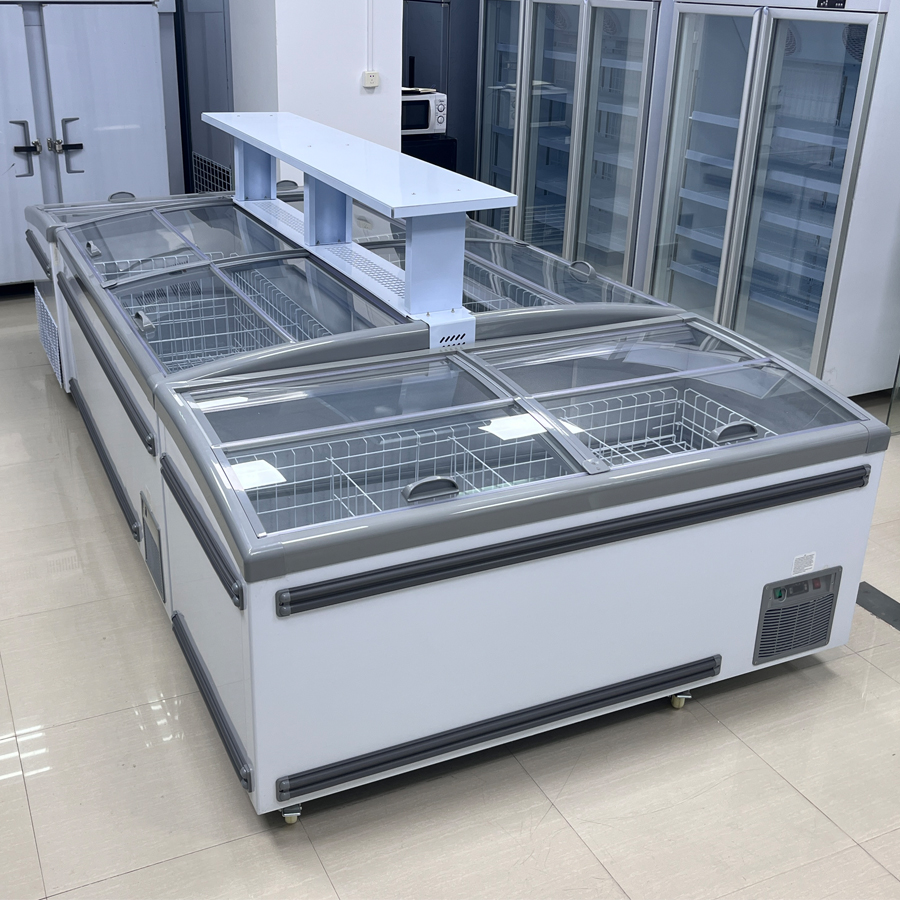
Temperature Control and Food Safety Features
How Temperature Consistency Ensures Ice Quality and Safety
Keeping ice merchandisers at exactly 41°F (about 5°C) stops ice from breaking down structurally and keeps microbes from getting in, which helps maintain that clear, pure look we all want. According to what the FDA says, if temperatures go even a little bit higher than this magic number, water molecules start acting funny. They become unstable, causing ice to melt way faster sometimes up to three times quicker! Plus, these warmer spots create perfect conditions for bad bacteria to grow. That's why newer equipment now comes with these special dual zone evaporator systems. These setups manage both humidity levels and cold air distribution so the ice stays nice and consistent throughout the display case, even when customers keep opening and closing doors all day long.
Refrigeration Technology’s Role in Preventing Bacterial Growth
New compressor technologies help stop the growth of dangerous bacteria like Pseudomonas and Legionella by quickly cooling surfaces down below 40 degrees Fahrenheit (4 Celsius). Research from last year showed something alarming - when refrigeration units aren't properly chilled, harmful bacteria can multiply twice as fast every 20 minutes. But there's good news too. When facilities install multi stage filters along with antimicrobial coils, they cut down on contamination problems by around three quarters according to industry reports. These advancements matter a lot in hospitals, restaurants, and other places where ice touches food or medical supplies directly. The difference these systems make could literally prevent outbreaks and save lives across various sectors dependent on cold storage solutions.
Integration of Real-Time Temperature Alerts and Alarms
Smart monitoring systems connected to the internet can now alert staff directly on their phones whenever temperatures go out of range, cutting down response time dramatically when something goes wrong with equipment. The good news is these same systems keep track of all the compliance stuff automatically, which makes those dreaded FDA inspections and HACCP reports much less painful for everyone involved. Looking at some data from 2022, places that had implemented these early warning features saw a massive drop in problems related to improper ice storage, actually reducing such incidents by almost two thirds compared to locations still relying on old fashioned manual checks.
Case Study: Reduced Spoilage Rates in High-Traffic Retail Locations
A national convenience store chain reduced weekly ice loss by 43% after installing merchandisers with AI-driven temperature stabilization. The system automatically adjusts cooling intensity based on foot traffic patterns, maintaining ±1°F variance during peak hours. This eliminated the "melt-refreeze" cycle responsible for cloudy, brittle ice—a common complaint in 24/7 operations.
Energy Efficiency and Sustainable Refrigeration Technology
Advancements in Compressor Design and Eco-Friendly Refrigerants
Ice merchandisers today come equipped with variable speed compressors that can tweak their cooling based on what's actually needed at any given moment. This means they waste about a third less energy than older fixed speed models according to research published in Nature Reviews Clean Technology back in 2025. The new HFO refrigerants being used now have almost no impact on global warming compared to the old stuff, yet still work great even when temperatures drop below freezing. All these improvements fit right into the stricter rules set out by the EPA in their 2026 Sustainable Refrigeration Roadmap. That document basically tells manufacturers they need to stop using certain refrigerants and get better at making efficient compressors if they want to stay compliant.
Impact of Energy Efficiency on Operational Costs and Sustainability
Energy-efficient ice merchandisers cut annual operating expenses by $240–$740 per unit (U.S. Energy Information Administration, 2024), with ROI timelines under 3 years in high-usage scenarios. Businesses reducing refrigeration-related emissions by 40% through equipment upgrades qualify for ISO 50001 certifications, enhancing sustainability credentials and supply chain compliance.
Comparison of Slant vs. Upright Ice Merchandiser Energy Consumption
| Feature | Slant Merchandiser | Upright Merchandiser |
|---|---|---|
| Avg. kWh/day | 18–22 | 24–28 |
| Frost accumulation | 35% less | Requires frequent defrosting |
| Space efficiency | Ideal for tight spaces | Better inventory visibility |
| Lifespan (years) | 10–12 | 8–10 |
The slanted design’s gravity-assisted dispensing reduces compressor cycles by 19%, while upright models often compensate with auxiliary fans. Commercial kitchens saving $8,200 annually by switching to slant units highlight this thermodynamic advantage.
Durability, Maintenance, and Total Cost of Ownership
Evaluating Build Quality and Materials for Long-Term Reliability
Commercial ice merchandisers with 304-grade stainless steel exteriors demonstrate 23% fewer component failures over 5 years compared to powder-coated alternatives (Commercial Refrigeration Journal 2023). Full-contact evaporators and commercial-grade compressors should withstand 18,000+ cooling cycles, while FDA-compliant food zones prevent bacterial accumulation in high-humidity environments.
Scheduled Maintenance Protocols and Tech Support Accessibility
79% of equipment failures trace to inadequate maintenance, per National Restaurant Association 2023 data. Leading models offer:
- 3-month air filter inspection intervals
- Annual condenser coil cleaning mandates
- 24/7 remote diagnostics via manufacturer portals
Automated Alert Systems for Filter Changes and System Faults
IoT-enabled sensors predict 89% of component failures 72+ hours in advance (Food Safety Tech Report 2022), reducing ice production downtime by 41% in convenience store chains through preemptive parts replacement alerts.
Warranty Coverage and Its Impact on Total Cost of Ownership (TCO)
While extended warranties add 12–18% upfront costs, they lower 5-year TCO by $8,400 on average for commercial ice merchandisers according to a 2023 equipment lifecycle analysis. This stems from bundled labor rates 35% below market averages for compressor replacements and refrigerant recharges.
Industry Paradox: Premium Pricing vs. Frequent Maintenance Costs
Energy Star-certified models carry 22% higher price tags but reduce annual maintenance spending by $1,150 (ASHRAE 2022). Operators prioritizing upfront savings often incur $3,200+ in unplanned repairs within 3 years—negating initial discounts through ice spoilage and service calls.
Smart Technology Integration in Modern Ice Merchandisers
Remote Monitoring and Mobile App Control for Real-Time Management
Ice merchandising equipment today comes equipped with cloud based monitoring systems that let staff check on freezer temps and humidity right from their phones. Store managers can tweak cooling settings when business is busiest, and get regular reports about how the machines are performing to stop ice from building up inside. According to some research from last year, places that installed this kind of tech saw around a third fewer breakdowns requiring emergency repairs than stores still using old fashioned units without smart features.
IoT-Enabled Predictive Maintenance and System Diagnostics
The latest sensor tech looks at how compressors vibrate and tracks refrigerant flow to spot potential parts failures anywhere from two weeks to three weeks ahead of time. When a major grocery store chain put this system into action, their unplanned equipment shutdowns dropped by almost half according to their own internal reports. The dashboard interface ranks warnings depending on how bad things could get if ignored, so maintenance staff know exactly where to focus first. Technicians can now catch problems with evaporator coils forming ice buildup long before it actually stops the ice machines from working properly, which saves both time and money in repairs.
IoT-Powered Inventory Monitoring and Automated Restocking Alerts
Load cell technology and optical scanners track ice consumption patterns in real time, automatically triggering purchase orders when stock reaches predetermined thresholds. One regional convenience store group achieved 98% inventory accuracy after implementing this system, eliminating $18k annual waste from ice spoilage.
Cloud-Based Sales Tracking and Demand Forecasting for Peak Periods
Machine learning algorithms process historical sales data with weather forecasts and local event schedules to optimize ice production levels. During a recent heatwave, this technology helped stadium operators avoid 23 tons of ice shortage while reducing energy consumption by 18% (GSE Research 2023).
Digital Displays for Customer Engagement and Brand Visibility
High-brightness LED panels integrate with ice merchandisers to showcase product details, preparation methods, and promotional campaigns. A/B testing revealed units with dynamic content increased upsell conversions by 27% compared to traditional signage systems.
Design Flexibility and Brand Integration Options
Types of Ice Merchandisers: Slant, Upright, and Low-Profile Use Cases
The commercial ice merchandising market is pretty much split between three main design types these days. Slant style units work great because they let customers see what's available and dispense ice naturally through gravity. These are commonly found in convenience stores that go through around 500 to 800 pounds of ice each day. Then there are upright models which take up less floor space but still keep things cold at temperatures between 28 and 32 degrees Fahrenheit, give or take half a degree. This was confirmed in some recent testing done last year according to the latest efficiency reports. For places like airports and stadiums, low profile units have become popular choices lately. They meet ADA requirements with their 34 inch height specifications. Most facility managers we've talked to actually care more about accessibility than sheer capacity when outfitting these large venues.
Door, Lighting, and Display Configurations for Optimal Performance
Heated multi-pane glass doors stop condensation from forming while still letting products shine through, which cuts down how often customers touch items by around 40% when compared to regular single-pane options, as shown by NSF International research. The LED lights used here draw no more than 15 watts per linear foot, making sure products stay visible without heating up the inside space too much. This matters a lot for the ice retail business worth about $2.3 billion these days. Even just one degree Fahrenheit over the recommended temperature can boost spoilage chances by 18%, according to PMA's 2023 report. Keeping things cool is literally what keeps money on the shelves.
Custom Branding Through Digital Signage and Integrated Lighting
Modern ice merchandisers increasingly adopt programmable RGB lighting and cloud-connected digital menu boards to reinforce brand identity. QSR chains report 23% higher impulse purchases when using synchronized lighting themes matching their corporate colors, based on a 6-month trial across 42 Texas locations.
Balancing Aesthetics With Functionality in Commercial Environments
While stainless steel exteriors remain popular for durability (83% market share), 22% of hospitality operators now opt for powder-coated finishes matching their decor—despite 15% higher maintenance costs. The emerging industry standard balances 18-gauge commercial-grade construction with removable graphic panels, allowing facility managers to update branding without equipment replacement.
FAQ Section
What temperature should ice merchandisers be kept at for safety?
Ice merchandisers should be kept at 41°F (about 5°C) to prevent ice from melting quickly and to inhibit bacterial growth.
How do modern refrigeration technologies prevent bacterial growth?
Modern refrigeration technologies use rapid cooling and features like multi-stage filters and antimicrobial coils to prevent the growth of harmful bacteria like Pseudomonas and Legionella.
What benefits do real-time temperature alerts provide?
Real-time temperature alerts allow staff to quickly respond to temperature deviations, minimizing spoilage and ensuring compliance with health regulations.
What are the advantages of energy-efficient ice merchandisers?
Energy-efficient ice merchandisers reduce operational costs, lower emissions, and often have a short return on investment period due to energy savings.
How do IoT technologies improve ice merchandiser maintenance?
IoT technologies enable predictive maintenance by monitoring equipment conditions in real-time, reducing the risk of unexpected breakdowns and lowering repair costs.
Table of Contents
- Temperature Control and Food Safety Features
- Energy Efficiency and Sustainable Refrigeration Technology
-
Durability, Maintenance, and Total Cost of Ownership
- Evaluating Build Quality and Materials for Long-Term Reliability
- Scheduled Maintenance Protocols and Tech Support Accessibility
- Automated Alert Systems for Filter Changes and System Faults
- Warranty Coverage and Its Impact on Total Cost of Ownership (TCO)
- Industry Paradox: Premium Pricing vs. Frequent Maintenance Costs
- Smart Technology Integration in Modern Ice Merchandisers
- Remote Monitoring and Mobile App Control for Real-Time Management
- IoT-Enabled Predictive Maintenance and System Diagnostics
- IoT-Powered Inventory Monitoring and Automated Restocking Alerts
- Cloud-Based Sales Tracking and Demand Forecasting for Peak Periods
- Digital Displays for Customer Engagement and Brand Visibility
- Design Flexibility and Brand Integration Options
-
FAQ Section
- What temperature should ice merchandisers be kept at for safety?
- How do modern refrigeration technologies prevent bacterial growth?
- What benefits do real-time temperature alerts provide?
- What are the advantages of energy-efficient ice merchandisers?
- How do IoT technologies improve ice merchandiser maintenance?