EN
EN
How Blast Freezer Technology Works and Why It Matters
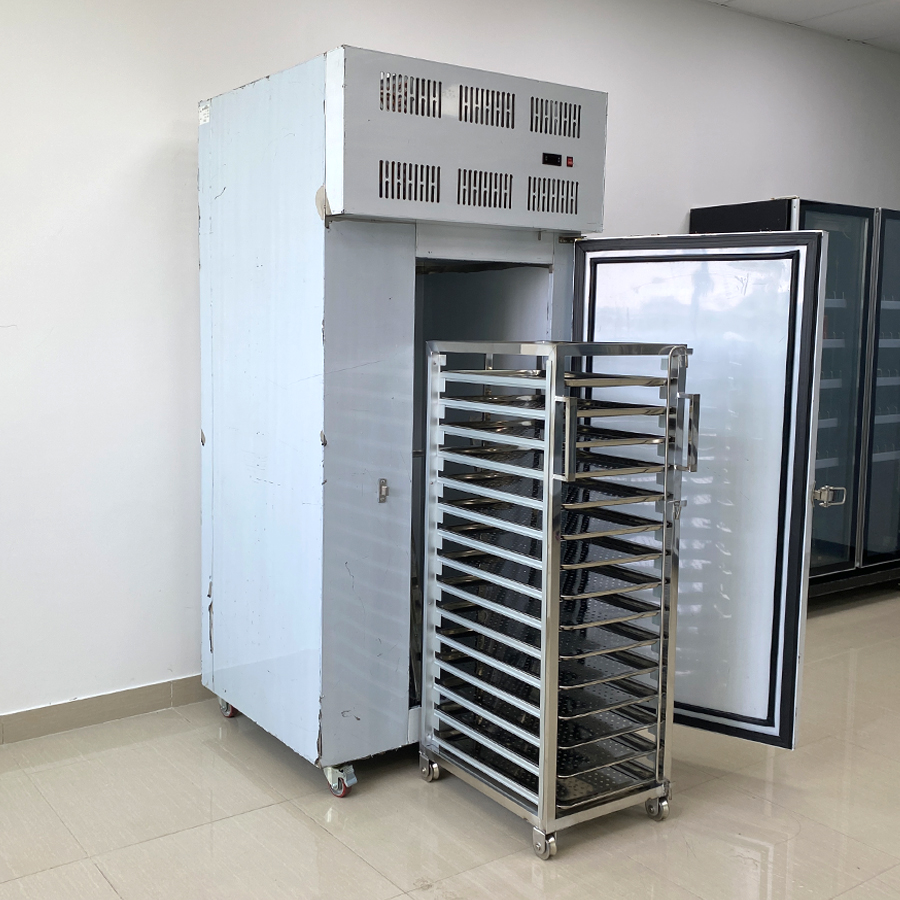
What is a blast freezer and how it works
Blast freezers chill food down to those super cold temps around -30 to even -50 degrees Celsius. These machines work way faster than regular freezers too – somewhere between 3 to 10 times quicker actually. The secret? They blow cold air all over the place at speeds of about 2 to 5 meters per second. This rapid airflow pulls heat away from food surfaces really fast, stopping those big ice crystals from forming which would otherwise wreck the food's cell structure. What does this mean for us? Foods keep their texture intact, retain most of their nutrients, and stay fresh longer. Plus they meet all the necessary food safety requirements set by organizations like USDA and CE. Some recent research from the 2024 Food Preservation Report shows just how effective this method is. Blast freezing cuts down ice crystal sizes by roughly 90 percent when compared to traditional slow freezing methods.
Core components of rapid freezing technology
Critical systems include:
- High-capacity evaporators for rapid heat absorption
- Variable-speed fans ensuring uniform airflow
-
Programmable logic controllers (PLCs) maintaining temperature accuracy
These components work together to achieve core freezing rates suitable for efficiently processing bulk food batches without compromising quality.
The science behind fast thermal transfer and supercooling
Blast freezers work based on Newton's cooling principle basically meaning that things cool down faster when there's a bigger difference between hot and cold. These machines create really dry conditions below 15% relative humidity while blowing air around aggressively. The combination makes them way better at transferring heat compared to regular freezers probably somewhere around 8 to 12 times faster actually. What happens next is pretty interesting the rapid cooling causes water inside foods to form what scientists call amorphous ice instead of regular crystals. This helps keep food cells intact so fruits, vegetables, and proteins stay fresh longer on store shelves maybe even 25% to 40% longer depending on what exactly is being frozen.
Freezing Speed, Temperature Range, and Microbial Control
Optimal Temperature Range and Freezing Speed for Food Safety
Industrial blast freezers typically run anywhere from minus 30 degrees Celsius down to minus 50, way colder than regular home freezers. This extreme cold lets food products freeze much faster, usually within half an hour up to three hours total. That quick freeze time is actually really important because it stops bacteria from multiplying so fast. When foods freeze slowly, big ice crystals form inside them, tearing apart cells and making things go bad quicker. According to food safety standards, keeping stuff below minus 18 Celsius basically stops microbes from doing their thing, cutting down food poisoning risks by around 83 percent when compared to traditional slow freezing techniques, according to a study from Ponemon back in 2023. Even dangerous bugs like Listeria and Salmonella pretty much stop growing once temps drop below minus 12 Celsius, something researchers have confirmed through various tests looking at how germs behave in these super cold conditions.
Time-to-Freeze Benchmarks Across Different Food Types
Food density and water content directly impact freezing efficiency:
| Food Type | Optimal Freezing Time | Temperature Threshold |
|---|---|---|
| Seafood | 45–90 minutes | -40°C |
| Bakery Items | 60–120 minutes | -35°C |
| Prepared Meals | 30–75 minutes | -45°C |
Thinner portions (less than 5 cm thick) freeze 40% faster than bulkier cuts, helping preserve texture and minimize ice crystal damage.
Impact of Sub-Zero Environments on Microbial Activity
When food goes through blast freezing, the quick temperature plunge stops about 98 percent of microorganisms from doing their thing because it messes with enzymes and dries out bacteria cells. Freezing won't get rid of all bad stuff though. Research indicates that dangerous bugs like E. coli and Staph actually drop down to safe levels after just two hours if everything stays properly chilled throughout transport. But here's the catch: once things start warming back up past minus three degrees Celsius during thawing, those microbes wake right back up again. That's why keeping temperatures consistent across the entire cold chain matters so much for food safety.
Preserving Food Quality: Texture, Nutrients, and Sensory Properties
How Ice Crystal Formation Affects Food Integrity
Cooling things down fast at around -30 degrees Celsius or colder actually cuts ice crystal sizes in half to three quarters compared with regular freezing methods. This helps keep cells intact and maintains better texture overall. When those tiny ice crystals form instead of big ones, they don't tear through cell walls so much. That means meat stays firmer and veggies retain their crunch after thawing. A recent study published last year looked into how different freezing speeds affect food quality. What they found was pretty telling for anyone who likes fresh tasting frozen produce. Slow freezing just doesn't cut it for foods packed with water content such as strawberries or spinach where texture gets ruined permanently once damaged during the freeze process.
Minimizing Cellular Damage Through Uniform Freezing
Advanced airflow systems ensure temperature uniformity, eliminating "hot spots" that cause partial thaw-refreeze cycles. This consistency reduces drip loss in thawed proteins by 25% and maintains cell membrane integrity, crucial for retaining juices in seafood and tenderness in baked goods.
Retention of Vitamins and Sensory Properties After Blast Freezing
Blast-frozen foods retain 15–30% more heat-sensitive nutrients (e.g., vitamin C and folate) than traditionally frozen counterparts. A 2023 analysis of cold storage protocols found blast-frozen peas maintained 92% of their original color and 88% of aroma compounds after six months, demonstrating superior sensory preservation.
Case Study: Seafood Preservation Using Blast Freezing
A salmon processing facility using blast freezers reported:
- Texture preservation: 94% muscle firmness retention vs. 68% with conventional freezing
- Nutrient retention: 85% omega-3 fatty acids after 12 months
- Sensory outcomes: Blind taste tests showed no discernible difference from fresh samples in 78% of participants
Blast Freezing vs Conventional Freezing: Performance and Shelf Life
Key Differences Between Blast Freezing and Conventional Freezing
Industrial blast freezers work at temperatures between minus 30 degrees Celsius and minus 50 degrees Celsius, blowing air at speeds ranging from 3 to 6 meters per second. These conditions allow food items to freeze within just 30 minutes to 3 hours, which is roughly 12 times quicker than what happens in regular freezers that typically run between zero and minus 18 degrees Celsius. The rapid freezing process stops big ice crystals from forming inside the food, something that can really mess with both texture and how much moisture stays locked in. Take seafood as a case study here. When fish gets frozen using traditional methods instead of blast freezing techniques, it ends up losing around 22 percent more moisture when thawed later on, making a noticeable difference in quality for anyone who cares about taste and texture.
Key performance differences include:
- Ice Crystal Size: Blast freezing creates micro-crystals (<0.5 mm vs. 2–5 mm in conventional)
- Nutrient Retention: Vitamin C levels in vegetables remain 18% higher with blast freezing
- Bacterial Control: Pathogens like Listeria are suppressed 40% faster
Shelf Life Extension and Outcomes Like ESL and LLFF
When food is blast frozen, it can last anywhere from 50 to 300 percent longer on shelves thanks to special preservation techniques known as Extended Shelf Life (ESL) and Longer Lasting Freshness (LLFF). For example, meat that gets frozen at around minus 40 degrees Celsius stays good enough to eat for 18 to 24 months, whereas regular freezing methods only keep meat viable for about 6 to 8 months. According to USDA data from 2022, this kind of advanced freezing cuts down on wasted food throughout the supply chain by roughly 34%. Plus, these ESL methods help food manufacturers stay within those tough safety standards set by both the European Union and the FDA. Another big plus? These preservation strategies actually lower the chances of product recalls since they keep bacteria levels under control while the food sits in storage facilities waiting to reach store shelves.
Design, Safety, and Efficiency: What to Look for in a Quality Blast Freezer
Airflow Design and Uniform Temperature Distribution
The best blast freezers start with smart airflow systems that keep temperatures stable around plus or minus 1.5 degrees Celsius. This kind of control matters because it stops those big ice crystals from forming that can ruin food quality. Freezers equipped with vents that can be adjusted and fans that blow air in multiple directions manage to get about 98 percent uniform temperature across every shelf. That means things freeze evenly even when dealing with awkward shapes such as whole chickens or stacked breads and pastries. The difference makes a real impact too. Food thawed after being frozen this way loses about 30 percent less moisture than what happens with cheaper freezers that don't have these advanced airflow features.
Food Safety Compliance: HACCP, FDA, USDA, and CE Standards
Reputable blast freezers undergo third-party validation for hazard analysis critical control point (HACCP) protocols and international standards like FDA 21 CFR 113. These certifications ensure:
- Automatic defrost cycle documentation for audit trails
- Corrosion-resistant, non-porous surfaces meeting NSF/3-A sanitary requirements
- Emergency backup cooling during power outages
A 2023 Food Safety Magazine audit found 72% of food recalls stemmed from temperature control failures, emphasizing the importance of compliance-focused design.
Energy Efficiency, Lifecycle Costs, and Operational Performance
Modern blast freezers reduce energy use by 40% through variable-speed compressors and insulated door gaskets that prevent cold air leakage (Department of Energy, 2022). When evaluating models, prioritize:
- kW/ton refrigeration (kWTOR) ratings below 1.2 for continuous operation
- Predictive maintenance alerts for coil cleaning and refrigerant checks
- Annual defrost energy consumption below 8% of total usage
Lifecycle cost analysis should balance upfront pricing against 10-year operational savings—high-efficiency units typically break even within 18–24 months in commercial kitchens.
FAQs
What is the main advantage of blast freezing over conventional freezing?
Blast freezing drastically reduces the size of ice crystals, preserving texture, nutrients, and sensory properties more effectively than conventional freezing.
How does blast freezing impact food safety?
Blast freezing quickly lowers temperatures, inhibiting microbial growth and reducing food safety risks compared to slower freezing methods.
What components are essential for an effective blast freezer?
High-capacity evaporators, variable-speed fans, and programmable logic controllers (PLCs) are crucial for efficient temperature control and rapid freezing.
Can blast freezing extend the shelf life of products?
Yes, blast freezing can extend the shelf life of food items by up to 300% due to its advanced preservation techniques.
Why is airflow design important in blast freezers?
Effective airflow design ensures uniform temperature distribution, preventing the formation of large ice crystals and maintaining food quality.