EN
EN

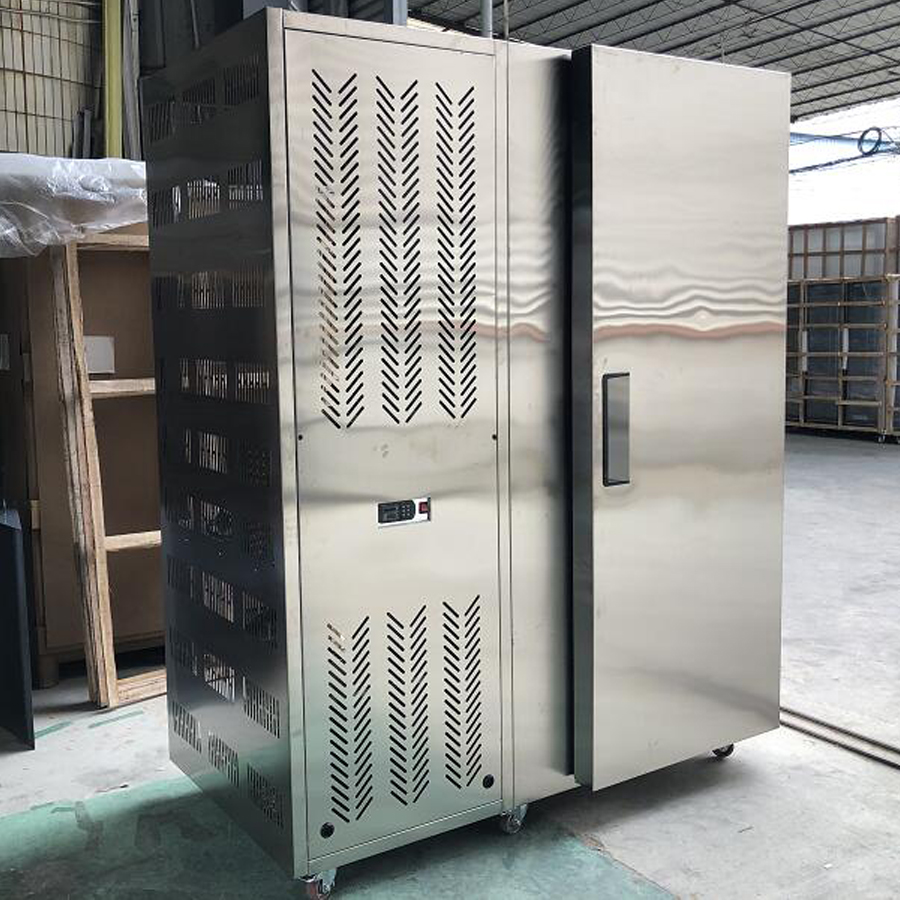
Food Safety: How Blast Chiller Neutralizes the Temperature Danger Zone
Rapid cooling from 140°F to 40°F in ≤90 minutes prevents bacterial proliferation
Food sits in what's called the temperature danger zone between 40 and 140 degrees Fahrenheit where bad bacteria love to multiply fast. Think about it: dangerous germs such as Salmonella and E. coli can actually double in number every single 20 minutes when left in this range. Regular fridge cooling typically keeps food within these temperatures for longer than four hours, which gives pathogens plenty of time to spread throughout the product. Blast chillers work differently though. They bring down the temperature from hot cooking temps around 140F all the way down to safe storage levels below 40F in under ninety minutes. This quick drop stops bacteria growth right when they're weakest. The benefits are huge for things like meats, gravies, and any food cooked in batches, since even short periods in the danger zone raise contamination chances significantly. Restaurants using blast chillers see their risk of foodborne illness outbreaks cut down by over seventy percent compared to traditional cooling methods, making them a smart investment for food safety professionals looking to protect customers.
Meeting HACCP, FDA Food Code, and local health department requirements
Commercial kitchens must comply with HACCP protocols, FDA Food Code §4-501.14, and local health mandates—all of which require documented, time-bound temperature control. Blast chillers support auditable compliance through:
- Precise validation of two-phase cooling curves (140°F – 70°F within 2 hours; 70°F – 40°F within 4 hours), as specified in FDA guidance
- Automatic digital logging of time/temperature data for health inspections
- Reduction of cooling-related violations, which account for 23% of restaurant citations (FDA, 2023)
This eliminates error-prone manual tracking while ensuring alignment across federal, state, and municipal regulatory expectations.
Food Quality Preservation: Why Blast Chiller Locks in Flavor, Texture & Nutrition
Minimizing ice crystal damage in seafood, baked goods, and dairy-based desserts
Blast chillers keep food's structure intact because they freeze water molecules into tiny, evenly sized crystals instead of creating those big, harmful ice chunks that happen when things cool down slowly. For seafood, these bigger crystals actually tear through cell walls, making the product lose moisture and turn out rubbery. When it comes to baked items, slow cooling speeds up what's called starch retrogradation, which makes them go stale faster. And with dairy treats such as crème brûlée, waiting too long before chilling causes syneresis and layers start separating from each other. Getting down to minus 18 degrees Celsius in about 90 minutes helps maintain those desirable characteristics we want in our foods: flaky fish fillets, soft cake interiors, and creamy custards throughout multiple batches cooked at once or served over longer periods.
Scientific evidence: Up to 25% greater retention of heat-sensitive vitamins (C, B1, B2)
When food cools down quickly, it stops enzymes and oxidation from breaking down nutrients that would otherwise get lost during long cooking times. Research published in reputable journals indicates that vegetables blast chilled after harvest keep around 25% more vitamin C compared to those cooled the traditional way. We see similar benefits for B vitamins like thiamine and riboflavin in meats such as chicken and pork these nutrients just don't hold up well against heat and air exposure. The science behind this is pretty straightforward enzymatic reactions slow way down once temperatures drop below 40 degrees Fahrenheit. That's why many professional kitchens now rely on blast chilling techniques to preserve what makes food healthy in the first place. For anyone serious about serving nutritious meals, understanding how temperature affects nutrient retention has become essential knowledge.
Cost Efficiency: How Blast Chiller Reduces Waste and Improves ROI
Extending safe refrigerated shelf life from 2 to 7 days—cutting spoilage and overproduction
When kitchens follow FDA cooling guidelines, blast chillers can actually make cooked foods last much longer in the fridge. The shelf life goes from about 2 days to around 7 days, which is roughly triple what it would normally be. This extended period really cuts down on food going bad because there's just less time for bacteria to grow. Restaurants that have started using these chillers are seeing about 30% reduction in wasted food. They can plan their batches better since they know exactly how many meals they need to prepare each day based on customer demand. Food safety experts point out that this longer storage time helps meet HACCP standards while also saving money on labor costs. Chefs can cook large quantities when kitchen staff isn't busy but still serve fresh, safe meals later without any problems.
Case-backed savings: 18% average food waste reduction in mid-volume commercial kitchens
Real-world operational data confirms consistent ROI across foodservice settings:
| Metric | Without Blast Chiller | With Blast Chiller |
|---|---|---|
| Weekly spoilage rate | 12–15% of prepared food | 5–7% |
| Annual waste cost | $18k–$22k | $8k–$10k |
| Batch preparation cycles | 7–10/week | 3–4/week |
Multi-site case studies indicate an average 18% reduction in food waste for mid-volume operations—translating to approximately $740k in annual savings for enterprises with $4M+ in food costs. Reduced overpreparation also lowers ingredient procurement by 11–14%, maintaining menu flexibility without overstocking.
Operational Scalability: Enabling Cook-Chill Production with Blast Chiller
Blast chillers make it possible for kitchens to scale their cook-chill operations. They let staff prep meals ahead of time when demand is low, then quickly bring those dishes down to safe storage temps before reheating them exactly right when customers want them. The system takes some of the stress out of busy periods and can really cut down on extra pay costs too. We're talking around 30% savings on overtime in places that handle large volumes day after day. What sets these chillers apart from regular fridges? They maintain both food safety standards and taste integrity no matter how big or small the batch happens to be. That's why so many modern kitchens incorporate blast chilling as part of their core infrastructure for handling growth while keeping operations running smoothly.
Selecting appropriately sized equipment is essential:
| Operation Type | Daily Meal Volume | Recommended Capacity |
|---|---|---|
| Food Trucks/Bakeries | <200 | 30–200 lbs |
| Full-Service Restaurants | 200–600 | 400–800 lbs |
| Commissaries/Caterers | 600+ | 1,000+ lbs |
Oversized units increase energy consumption by 18–27%, while undersized models extend processing time by up to 33%. Modular configurations allow phased scaling—from single-unit deployment in food trucks to networked systems across multi-location enterprises—without costly system overhauls.
FAQ Section
What is the temperature danger zone?
The temperature danger zone is between 40 and 140 degrees Fahrenheit where bacteria can multiply rapidly.
How do blast chillers improve food safety?
Blast chillers quickly lower food temperature from 140°F to below 40°F in under 90 minutes, reducing bacterial proliferation.
What are the benefits of using a blast chiller for food quality?
Blast chillers reduce ice crystal damage, preserve food structure, and retain more heat-sensitive vitamins such as C, B1, and B2.
How does a blast chiller affect food cost efficiency?
They extend the shelf life of cooked foods, reduce spoilage, and lower labor and waste costs in commercial kitchens.
What is the role of a blast chiller in operational scalability?
Blast chillers enable efficient cook-chill production, reducing stress during busy periods and cutting overtime costs.
Table of Contents
- Food Safety: How Blast Chiller Neutralizes the Temperature Danger Zone
- Food Quality Preservation: Why Blast Chiller Locks in Flavor, Texture & Nutrition
- Cost Efficiency: How Blast Chiller Reduces Waste and Improves ROI
- Operational Scalability: Enabling Cook-Chill Production with Blast Chiller
- FAQ Section