EN
EN

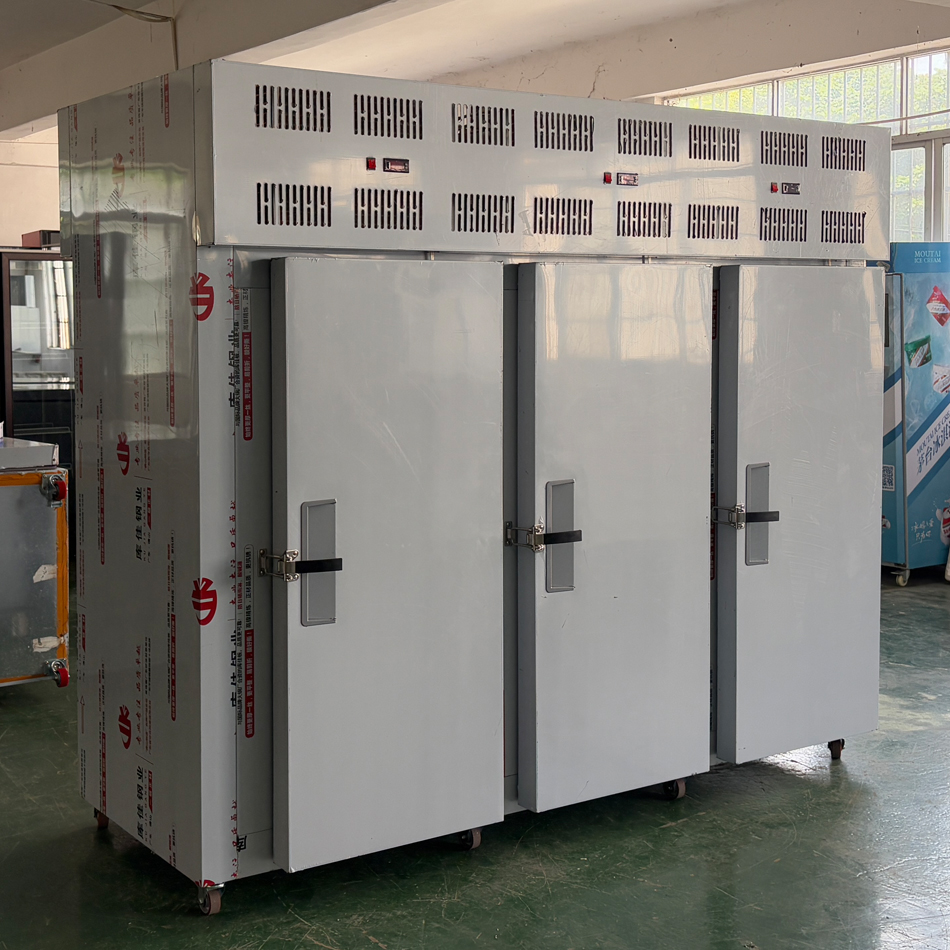
How a Flash Freezer Preserves Freshness at the Cellular Level
The Science of Rapid Freezing and Minimal Ice Crystal Damage
When foods get flash frozen, they hit those super cold temps around -40 degrees Fahrenheit pretty quick. The real trick here is how fast it happens because the water inside gets locked up before it can form those big, harmful ice crystals. Regular freezing works differently though. When things cool down slowly, the water tends to clump together into sharp ice formations that actually tear apart the cells. Flash freezing creates tons of tiny little ice crystals instead, so the overall structure stays mostly intact. Studies show this method keeps about 95 percent of the original cell structure in fruits and veggies compared to only 60 to 70 percent when using slower methods according to research published last year. What does all this mean? Vegetables stay crispier and meats don't lose as much juice once they're thawed out.
Flash Freezer vs. Conventional Freezer: Why Speed Matters for Texture and Juiciness
Texture and juiciness degrade primarily due to ice crystal size—not freezing alone.
| Freezing Method | Time to Freeze | Avg. Ice Crystal Size | Moisture Retention |
|---|---|---|---|
| Conventional | 2–24 hours | 50–100 μm | 65% |
| Flash Freezer | 5–30 minutes | <10 μm | 90% |
When food freezes slowly, it tends to cause two main issues that affect quality. The first problem happens when big ice crystals form inside, which can actually tear apart cell walls and let out all those juicy fluids from within. The second issue arises when items sit in temperatures below zero but haven't fully frozen yet. This condition causes moisture to move around and eventually leads to dry spots on surfaces. Flash freezing solves these problems by trapping water right where it belongs inside the cells. Take berries for instance they keep their nice round shape after thawing. Seafood stays nice and firm too, which matters a lot for things like sushi where texture is everything. Even delicate herbs maintain their structure better this way something that makes a real difference in salad bars and restaurant kitchens dealing with fresh cut greens.
Nutrient and Flavor Integrity in Flash-Frozen Foods
Vitamin C, Polyphenols, and Enzyme Inactivation: What Studies Reveal
When foods get flash frozen at around minus 40 degrees Celsius, it basically stops those enzymes from breaking down nutrients so fast. Fresh produce keeps most of its vitamin C content too, about 90 percent actually, which is way better than regular freezing methods that only hold onto about 60 percent. Take berries for instance, they maintain roughly 85 percent of their polyphenol antioxidants when flash frozen compared to just 65 percent if frozen slowly. What happens here is the super quick cooling shuts down those bad enzymes like polyphenol oxidase and peroxidase within seconds. This prevents that brown stuff from forming on fruits and veggies while keeping all those good nutrients intact. So basically, flash freezing acts like hitting pause on the aging process, making frozen food almost as nutritious as what comes straight off the farm.
Sensory Consistency: How Flash Freezing Maintains Aroma, Taste, and Mouthfeel
Flash freezing works so well because it doesn't mess with the cells too much. The smell molecules stay trapped inside instead of flying off when things get frozen or thawed out later. When those cell walls stay intact, flavors don't leak away and the food keeps its shape better too. This matters for how something feels in the mouth, keeping that juicy texture, crunchy bite, and springy feel we all love. Some taste tests have found that seafood and veggies flash frozen actually taste about 30% stronger than regular frozen stuff, plus they lose half as much water when defrosted. And this makes a real difference when cooking. Scallops will brown nicely all around, not just one spot. Sauces made with herbs keep their fresh taste even after being frozen. Berries blended into coulis maintain their thick consistency without turning watery or separating from the fruit bits.
Commercial Applications of the Flash Freezer Across Premium Food Sectors
Meal Kit Providers and Gourmet Ready-to-Cook Brands Using -40°C Flash Freezers
Top meal kit services and pre-cooked food companies depend heavily on those big industrial flash freezers that run around -40 degrees Celsius. These machines can freeze stuff in just minutes instead of taking all day, which saves delicate foods from getting damaged by ice crystals. Think about how vacuum-packed salmon still feels tender when cooked, or how microgreens maintain their bright green color and those special plant compounds we can't even pronounce. Even something simple like lemon zest keeps its strong scent and oils intact for weeks after freezing. According to research published in Food Chemistry last year, this super fast freezing method actually preserves important nutrients like folate in spinach leaves and those purple pigments in blueberries without breaking them down through heat. Meeting both FDA and European food safety rules while keeping products fresh for up to 18 months means these frozen meals can travel across the country without losing quality. Home cooks get exactly what was made in the factory kitchen, whether they're opening a package in New York or Los Angeles.
Food Safety, Shelf-Life Extension, and Regulatory Advantages of Flash Freezing
Microbial Growth Suppression and FDA/EFSA Compliance Benefits
When food goes through flash freezing, it passes quickly through what's called the microbial danger zone between 4 and 60 degrees Celsius. This fast process stops dangerous bacteria like Salmonella, Listeria, and Campylobacter from multiplying within just a few minutes. The shorter exposure to these warm temperatures means less spoilage happens overall, and products can stay safely on shelves for around 18 months. This is really important for things like raw seafood and chicken which are particularly prone to contamination issues. Plants that have installed flash freezers see about a third fewer problems during their HACCP audits according to recent studies published in Food Protection Journal back in 2022. These systems come with automatic temperature tracking features that meet both FDA and EFSA standards. Beyond just meeting regulations, they also create detailed records that help with tracing where products came from, getting ready for recalls if needed, and showing regulators exactly what happened during processing.
FAQ
What is flash freezing?
Flash freezing is a rapid freezing process where food reaches temperatures of around -40 degrees Fahrenheit quickly, preserving its cellular structure by preventing large ice crystal formation.
How does flash freezing preserve nutrients?
Flash freezing stops enzymes from breaking down nutrients, maintaining high levels of vitamin C and antioxidants like polyphenols compared to slower freezing methods.
What food sectors benefit from flash freezing?
Meal kit providers, gourmet ready-to-cook brands, and sectors dealing with delicate foods like seafood and microgreens benefit greatly from flash freezing.
How does flash freezing improve food safety?
Flash freezing quickly passes food through the microbial danger zone, preventing bacterial growth, reducing spoilage and extending shelf life while complying with FDA and EFSA regulations.