EN
EN
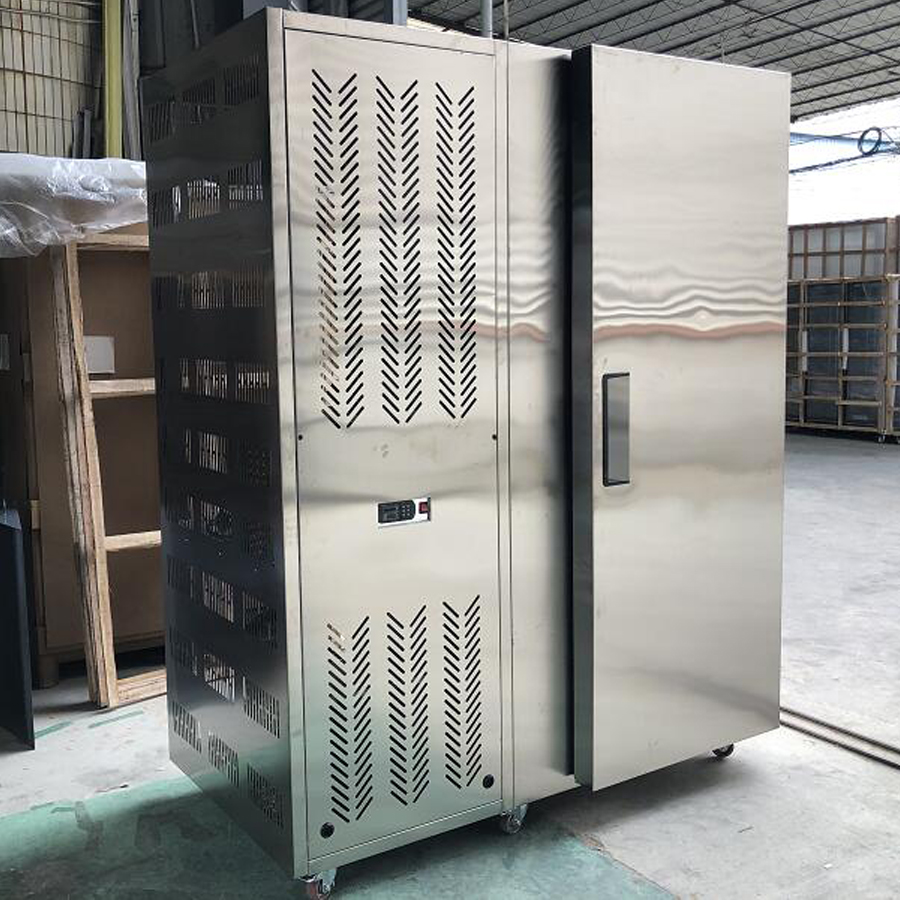
Perform Consistent Daily and Weekly Blast Chiller Maintenance
Regular maintenance prevents bacterial growth and sustains peak performance. Daily cleaning reduces contamination risks by 30% while extending equipment lifespan by 15–20% (Food Safety Journal, 2023).
Daily cleaning and sanitization of interior, door gasket, and exterior surfaces
Interior surfaces should get wiped down every day using something like a food grade sanitizer to get rid of any lingering bits. For those tricky door gaskets, grab some soft brushes along with gentle soap solution. These areas tend to collect mold over time especially where fingers can't quite reach. When it comes to outside surfaces, stick to cleaners that won't scratch or wear away materials since harsh stuff just leads to rust problems later on. Don't forget to let everything dry completely after cleaning either. Leftover water spots are basically invitations for bad bacteria plus they create conditions where slimy films start growing. Following this basic maintenance keeps things running smoothly according to food safety standards while also stopping messy food drips from getting into sensitive parts like evaporator coils down the line.
Weekly inspection of door seal integrity, hinge alignment, and condenser coil accessibility
Check those door seals every week by shutting the door on a piece of paper. If the paper slides right out without resistance, time to get new seals installed. When hinges are out of alignment, they can actually bump up energy consumption by around 10 percent because cold air just leaks through. Keep an eye on those condenser coils too. They need to stay clean and free from dust buildup. Make sure there's at least two inches of space all around the vents for proper airflow. Dirty coils force compressors to work harder than normal, which increases the chance of breakdowns by roughly 40%. Good idea to keep track of these regular checks somehow. Writing down observations helps spot patterns in wear and tear over time, making it easier to know when parts really need replacing instead of guessing based on calendar dates.
Conduct Seasonal Deep Maintenance to Sustain Blast Chiller Performance
Deep cleaning of condenser coils, fans, and refrigerant lines
When dust builds up on those condenser coils, it makes the compressor work around 30 percent harder than normal. That means higher electricity bills and more wear and tear on the system over time. To keep things running smoothly, make sure to vacuum out those coils properly. Also take a good look at the fan blades for any cracks or wobbling that might throw off balance. Don't forget to examine refrigerant lines too - watch for rust spots or places where insulation has worn away. Most appliance makers suggest doing all this every three months to maintain proper heat exchange. According to what we see across the refrigeration field, keeping those coils clean actually boosts cooling power by roughly 30% each year. Plus, regular cleaning often catches small problems before they become big headaches, like spotting refrigerant leaks early or noticing structural issues developing.
Defrost cycle calibration and verification against EN 1672-2 operating thresholds
Good control over defrost cycles stops ice from building up on evaporator coils and putting extra strain on compressors. Frost sensors should be checked every three months so they activate defrost when ice reaches around half a millimeter to one millimeter thick. After defrosting, make sure temperatures come back up to normal within about an hour and a half according to EN 1672-2 standards. Technicians need to watch the amps drawn by compressors during this recovery period too. If there's a drop or spike above 15%, that usually points to problems like low refrigerant charge or blocked airflow somewhere in the system. Getting these settings right not only cuts down on bacteria growth but also saves money by preventing those long, wasteful defrost cycles we all want to avoid.
Schedule Professional Blast Chiller Servicing Annually
Compressor diagnostics, refrigerant level assessment, and electrical system inspection
Annual professional servicing prevents costly failures by identifying latent issues before they escalate. Certified technicians conduct three critical evaluations:
- Compressor analysis, detecting abnormal vibrations, pressure anomalies, or refrigerant leaks that could lead to catastrophic failure;
- Refrigerant level verification, ensuring optimal charge under- or over-charging strains compressors and increases energy use by up to 30%;
- Electrical system inspection, assessing wiring integrity, control panel responsiveness, and safety cut-off functionality to mitigate fire and shock hazards.
Proactive servicing cuts unexpected breakdowns by 50% and extends equipment life by 15–20% versus reactive repairs. Schedule service during off-peak periods to minimize operational impact.
Prevent Common Operational Damage That Shortens Blast Chiller Life
Avoiding thermal shock, door-left-open incidents, and food spill contamination of evaporator coils
Operator mistakes often rank right at the top when it comes to what breaks down blast chillers before their time. When operators put hot food items above 100 degrees Fahrenheit into the chiller without letting them cool first, this creates something called thermal shock. What happens next? Micro cracks form in those delicate evaporator tubes and puts real strain on all those moving parts inside the compressor. Even short periods where someone leaves the door open can mess with the temperature balance inside. The compressor then has to work extra hard to catch up, which actually makes breakdowns about 40 percent more likely to happen. And don't forget about food getting spilled onto those evaporator coils. Not only does this become a breeding ground for bacteria, but it also blocks proper air flow through the system. Studies show this kind of blockage can cut cooling power down by around a quarter. To keep things running smoothly, there are several simple steps operators should follow...
- Pre-cooling foods to 100°F before loading;
- Installing audible door-open alerts;
- Cleaning spills immediately using non-corrosive, food-safe agents.
Operator training reduces these incidents by 72% compared to untrained teams (Commercial Kitchen Efficiency Report, 2022), reinforcing both equipment longevity and ongoing food safety compliance.
FAQ Section
Why is daily cleaning of blast chillers important?
Daily cleaning of blast chillers prevents bacterial growth, reduces contamination risks by 30%, and helps extend the equipment's lifespan by 15-20%.
What should be checked weekly in blast chillers?
Weekly checks should focus on door seal integrity, hinge alignment, and condenser coil cleanliness to prevent energy wastage and ensure efficient operation.
How often should deep maintenance be conducted?
Deep maintenance, including cleaning of condenser coils, fans, and refrigerant lines, should be conducted every three months to sustain blast chiller performance.
What does professional annual servicing involve?
Professional annual servicing includes compressor diagnostics, refrigerant level assessment, and electrical system inspection to identify latent issues before they become severe.
How can operators prevent operational damage?
Operators can prevent damage by pre-cooling food, installing door-open alerts, and cleaning spills immediately using non-corrosive, food-safe agents.