EN
EN

Match Blast Freezer Capacity and Design to Your Operational Workflow
Batch-Freezing Capacity, Trolley Compatibility, and Daily Throughput Requirements
Getting the right size blast freezer begins with looking at how much stuff goes through it each day. Figure out what the busiest times look like so the freezer doesn't get overloaded, which can mess with temperatures and ruin food. Trolley compatibility matters too because when everything fits together properly, loading and unloading becomes faster work. Some places report saving around 25% on handling time just by making sure their trolleys match up with the freezer specs. For smaller setups that handle fewer than 200 meals a day, something in the 50 to 75 pound range usually works well for keeping inventory manageable. Bigger operations generally need freezers rated for 200 pounds or more to keep things running smoothly throughout the day. Don't forget about electricity costs though. Going bigger than needed adds about 15 to 20% to yearly power bills. A correctly sized unit will handle those busy periods during holidays or special events without putting food safety at risk or slowing down operations.
Unit Type Selection: Roll-In, Reach-In, and Undercounter Blast Freezer Configurations for Kitchen Space Constraints
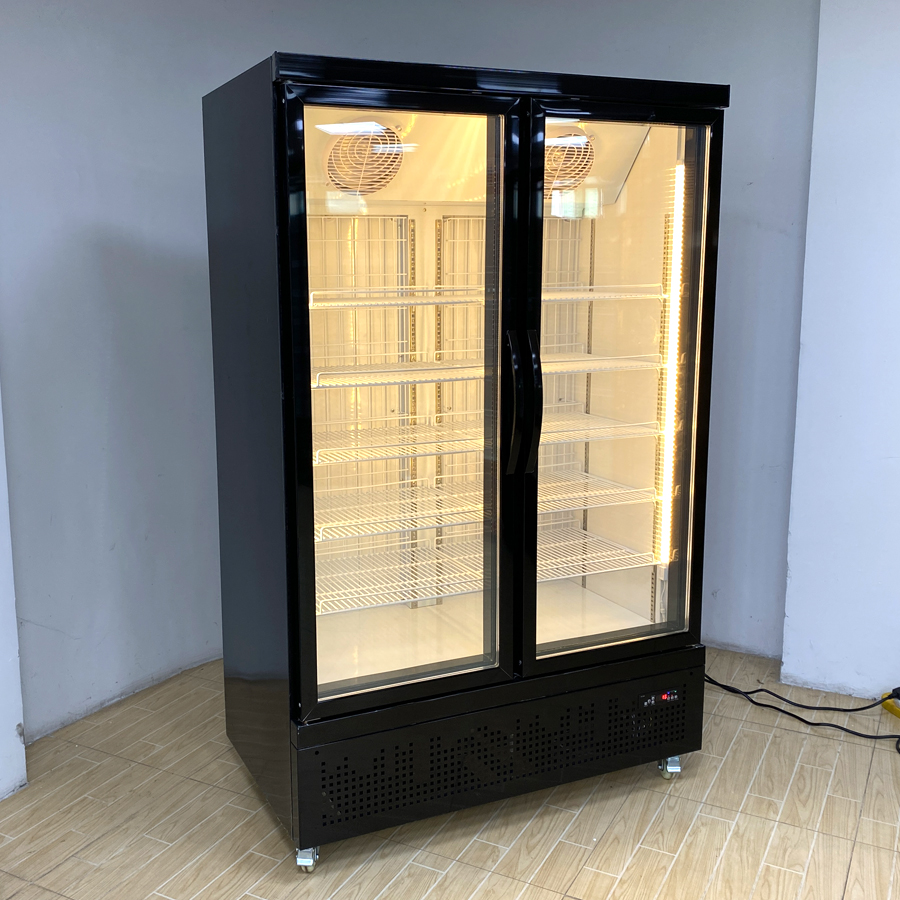
When picking out a blast freezer setup, think about how much room you actually have and what kind of work gets done there daily. Big commercial kitchens with plenty of open floor space usually go for roll-in models since they allow full access to those heavy duty trollies and can handle around 300 pounds per hour or so. Medium sized operations often find reach-in freezers work best because they come with adjustable shelves that let cooks stack things vertically when horizontal space is tight. Small spots like prep areas or secondary cooking stations benefit from undercounter options that take up minimal space yet still give staff easy access during busy periods. Don't forget about ergonomics either. Take a good look at where doors swing open and where handles are placed. A properly designed unit can cut down on search time significantly. Before getting anything installed though, sketch out exactly where everything goes in the kitchen. Not leaving enough breathing room between equipment or blocking air circulation doesn't just hurt performance. It might also run afoul of those ASHRAE guidelines and lead to serious overheating problems down the line.
Evaluate Critical Technical Performance Metrics of a Blast Freezer
Cooling Speed, Temperature Range, and Airflow Velocity: Meeting HACCP Shock-Freeze Benchmarks
The best blast freezers can bring down the core temperature of food products to -40 degrees Fahrenheit (-40 Celsius) within about 90 minutes. This target temperature is really important because it stops big ice crystals from forming inside the food, which helps keep the cell structure intact and meets those strict HACCP standards for controlling pathogens. Good quality systems typically run at steady temperatures somewhere between -30 and -50 Celsius. They also rely on controlled air movement around 5 to 15 meters per second to make sure everything gets cooled evenly no matter what kind of load they're handling. The right airflow makes all the difference when it comes to preserving food quality during freezing.
| Performance Metric | Conventional Freezing | Blast Freezing |
|---|---|---|
| Temperature Range | 0°C to –18°C | –30°C to –50°C |
| Freezing Speed | 6–12 hours | 30 minutes to 3 hours |
| Ice Crystal Size | Large, damaging | Microcrystalline |
| Pathogen Control | Gradual inhibition | Immediate suppression |
Energy Efficiency vs. Real-World Load: Why AHRI-Certified Blast Freezer Ratings Matter
The power range for compressors typically falls between 10 and over 50 kW, though specifications provided by manufacturers rarely match what happens in actual operation. Blast freezers that have been certified by AHRI, which stands for Air Conditioning Heating and Refrigeration Institute, actually test how these units perform when running at maximum capacity. This gives restaurant owners concrete numbers about both energy consumption and cooling capability. Freezers with variable speed compressors paired with modern refrigerants such as R452A tend to waste significantly less energy than standard models without these features, saving anywhere from 15 to 30 percent in energy costs. Restaurant operators who check the official ratings instead of trusting what companies say can save themselves thousands over time. We've seen cases where kitchens ended up paying 40% more in operating expenses simply because they didn't verify if equipment was truly efficient enough for their busy periods.
Ensure Food Safety Compliance with Built-in Blast Freezer Monitoring Features
HACCP-Ready Data Logging, Probe Accuracy, and Audit-Trail Capabilities
When commercial blast freezers come equipped with built-in monitoring systems, they become much more than just appliances - they serve as active tools for HACCP compliance. The temperature probes inside these systems offer remarkable precision at around ±0.5°C, constantly checking if products reach proper shock-freeze levels. At the same time, automatic data logging takes temperature readings every half minute, which cuts down on mistakes people make when entering data manually and creates audit trails that can't be easily altered. Restaurant owners know all too well how important these records are when facing FDA or USDA inspectors. Studies show that missing documentation accounts for about one third of all violations found during inspections. With cloud connectivity now standard in many modern systems, operators can check temperatures remotely even when there's a power outage. The system sends warnings long before anything actually goes wrong, giving staff time to respond before frozen goods start to spoil. Beyond keeping food safe, these smart systems save businesses roughly half the time spent preparing for audits compared to old fashioned paper logs or standalone devices that don't talk to each other.
Clarify Blast Freezer vs. Blast Chiller: Distinct Functions, Applications, and Risks
When to Choose a Blast Freezer Over a Blast Chiller: Time-Temperature Thresholds and Product Integrity
Blast freezers and blast chillers actually do pretty different things despite sounding similar. Chillers bring down food temps quickly to around 0 to 3 degrees Celsius for keeping items fresh temporarily, usually up to about three days or so. This slows down bacteria growth but doesn't stop it completely. Freezers on the other hand get much colder, reaching between minus 18 and minus 40 degrees Celsius. At these temps, basically everything stops growing, which makes them ideal for storing food over longer periods. Knowing this difference matters a lot because if food sits in what's called the danger zone between 4 and 60 degrees Celsius for more than an hour and a half, bad bacteria start multiplying really fast. According to some recent research published last year, this can actually triple the chances of food going bad before anyone even notices.
Blast freezers are essential for:
- High-moisture items like seafood or berries, where slow freezing ruptures cell walls via large ice crystals
- Operations requiring shelf-stable frozen storage beyond three days
- Regulatory compliance with HACCP frozen-food standards
Select a blast freezer when your workflow requires irreversible, sub–18°C core temperature reduction within 90 minutes—to lock in texture, nutrients, and microbiological safety.
FAQs on Blast Freezer
What is the main difference between a blast freezer and a conventional freezer?
A blast freezer rapidly reduces the temperature of food to as low as -40°C, preventing the formation of large ice crystals and preserving food quality, while conventional freezers operate at a higher temperature and take longer to freeze the food.
Why is trolley compatibility important in selecting a blast freezer?
Trolley compatibility enhances efficiency by ensuring that loading and unloading processes are quick and smooth, reducing handling time and aligning with freezer specifications.
How does a blast freezer help in achieving HACCP standards?
Blast freezers meet HACCP standards through rapid cooling speeds, maintaining precise low temperatures, and preventing large ice crystals that compromise food safety and quality.
What factors should I consider when choosing the type of blast freezer for my kitchen?
Consider the available kitchen space, operational workflow, freezer capacity, and ergonomic design to ensure it fits well and operates efficiently within your kitchen layout.
Table of Contents
- Match Blast Freezer Capacity and Design to Your Operational Workflow
- Evaluate Critical Technical Performance Metrics of a Blast Freezer
- Ensure Food Safety Compliance with Built-in Blast Freezer Monitoring Features
- Clarify Blast Freezer vs. Blast Chiller: Distinct Functions, Applications, and Risks
- FAQs on Blast Freezer